






What's Happening?
The concept of integrating simple, consistent habits into daily life is being promoted as a key strategy for improving overall well-being. Rather than advocating for drastic overhauls, the focus is on realistic and repeatable actions that can naturally
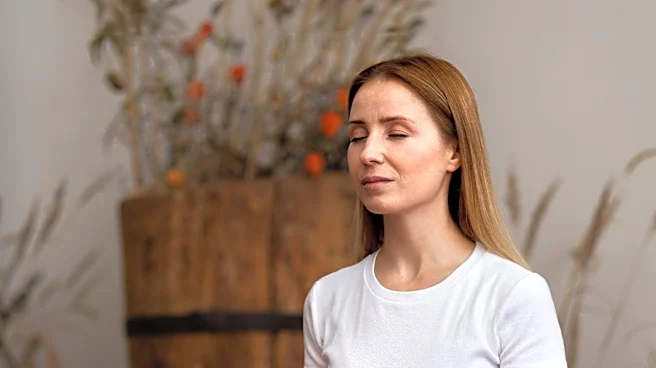
fit into existing routines. These habits include ensuring adequate hydration by keeping water accessible, incorporating regular movement through small, frequent activities like short walks or stretches, and simplifying meal choices by having familiar ingredients and dependable recipes readily available. Additionally, the approach highlights the importance of creating small moments of pause throughout the day to reset, protecting time for genuine rest that is truly restorative, and establishing a gentler transition into the evening to promote mental quietude. The underlying principle is to build a supportive and manageable routine that adapts to individual schedules and energy levels, making well-being an integrated part of daily living rather than an additional demanding project. This method encourages individuals to periodically assess their routines to ensure they remain effective and sustainable.
Why It's Important?
Adopting simple daily habits for well-being holds significant importance for individuals across the U.S., impacting personal health, productivity, and mental resilience. In a society often characterized by fast-paced lifestyles and high stress, these practices offer a practical framework for mitigating burnout and improving quality of life. By focusing on achievable, small steps, individuals can build sustainable routines that contribute to better physical health, such as improved hydration and increased physical activity, which can reduce the risk of chronic diseases. Mentally, incorporating pauses and genuine rest can enhance cognitive function, reduce stress, and foster emotional balance, leading to greater overall productivity and job satisfaction. Economically, a healthier and more resilient workforce can lead to reduced healthcare costs and increased economic output. Furthermore, by promoting self-care as an accessible daily practice, this approach can empower individuals to take proactive steps in managing their health, potentially lessening the burden on healthcare systems and fostering a more engaged and thriving populace.
What's Next?
The continued emphasis on integrating simple well-being habits suggests a growing trend towards personalized and sustainable self-care practices. Educational initiatives and wellness programs are likely to further promote these concepts, offering practical guidance on how to incorporate hydration, movement, simplified nutrition, and mindful pauses into daily life. Businesses and employers may increasingly adopt these principles in workplace wellness programs, recognizing the benefits of a healthier and more balanced workforce. Individuals are encouraged to experiment with different habits and periodically assess their effectiveness, adjusting their routines as their needs and circumstances evolve. This adaptive approach ensures that well-being practices remain relevant and beneficial over time. The focus will likely remain on making these habits easy to adopt and maintain, moving away from rigid, demanding routines towards flexible, supportive structures that enhance daily living.
Beyond the Headlines
The promotion of simple daily well-being habits reflects a deeper societal shift towards recognizing the interconnectedness of physical and mental health, and the importance of proactive self-care. This approach challenges the traditional view that well-being requires significant time commitments or complex interventions, instead advocating for incremental, sustainable changes. Ethically, it underscores the idea that self-care is not a luxury but a fundamental component of a healthy life, accessible to everyone regardless of their circumstances. Culturally, it encourages a re-evaluation of productivity, suggesting that moments of rest and pause are not antithetical to achievement but are essential for sustained performance and creativity. This paradigm shift could lead to broader changes in how institutions, from schools to workplaces, structure daily routines, fostering environments that inherently support individual well-being. The long-term implication is a potential redefinition of success, where personal balance and health are valued alongside professional accomplishments, leading to a more holistic and humane societal framework.