





What's Happening?
Dear Abby recently responded to a reader, 'Wedding Woes in Canada,' who expressed distress over her son's decision to host a child-free wedding reception. The reader's three grandchildren, aged 3 to 7, were invited to be part of the wedding party as flower
girls and a ring bearer but were explicitly excluded from the subsequent sit-down meal, reception, and dance. The parents were instructed to arrange for babysitters. The reader also noted that babies, including nursing infants, were banned, while the couple's dog was included in the wedding party. This decision has caused significant upset for the grandmother, who views her grandchildren as immediate family and feels resentful towards the bride and groom for declining requests to include them.
Why It's Important?
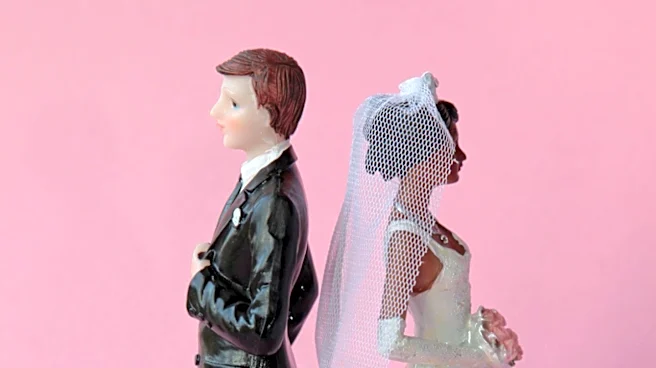
This 'Dear Abby' letter highlights a growing trend and a common point of contention in modern wedding planning: the decision to host child-free events. For many couples, this choice is driven by a desire for a more adult-oriented celebration, budget constraints, or venue limitations. However, as illustrated by 'Wedding Woes,' it often creates significant emotional distress and family friction, particularly for grandparents who wish to share such milestones with their grandchildren. The situation underscores the evolving etiquette surrounding weddings and the challenges families face in balancing personal preferences with familial expectations and traditions. The inclusion of a pet while excluding children further complicates the emotional landscape, suggesting a prioritization that can be perceived as insensitive by some family members. This issue reflects broader societal discussions about family values, personal boundaries, and the role of children in formal social gatherings.
What's Next?
For 'Wedding Woes in Canada,' Dear Abby's advice suggests accepting the couple's decision and focusing on showing love and respect by adhering to their wishes, even if it means leaving the grandchildren with a babysitter. This implies that the grandmother will likely attend the wedding without her grandchildren at the reception, potentially leading to a strained atmosphere or continued personal resentment. The long-term impact on family relationships will depend on how all parties navigate this decision and subsequent interactions. The couple, having made their preference clear, will proceed with their desired celebration. This scenario may also prompt other families to have clearer discussions about wedding expectations and guest lists well in advance to mitigate similar conflicts.
Beyond the Headlines
The 'child-free wedding' debate, as highlighted in this 'Dear Abby' column, touches upon deeper cultural and ethical considerations. It reflects a shift in wedding traditions, where couples increasingly prioritize their personal vision for the day over traditional family expectations. This can lead to intergenerational misunderstandings and feelings of exclusion, particularly for older family members who value inclusive family gatherings. The ethical dimension arises from balancing the couple's autonomy in planning their special day with the potential emotional impact on close family members. The decision to include a pet while excluding children also raises questions about the perceived value and role of different 'family members' in contemporary society. This trend prompts a broader discussion about how families define and celebrate significant life events in an increasingly individualized world, and the importance of clear communication and empathy in navigating these sensitive choices.