






What's Happening?
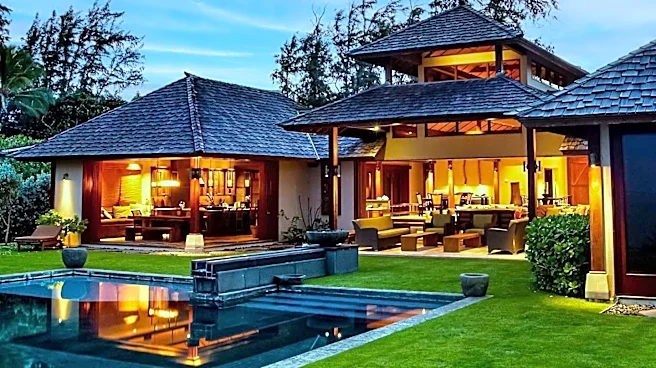
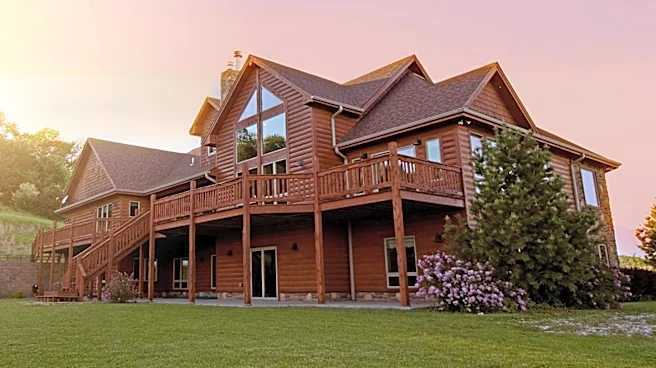
Airbnb is in the process of rebuilding its Luxe program, which is designed for high-end home listings. This initiative marks a renewed focus on premium accommodations, following a period where such programs were scaled back or paused during the pandemic.
The company is also expanding its offerings in hotels and experiences, and has indicated future plans to launch a flights product, though without a firm timeline. The original Luxe tier was established to feature a curated selection of professionally vetted, high-end properties that offered elevated service standards, distinguishing them from the broader and more varied inventory available on the platform. The current rebuilding effort suggests Airbnb's intention to re-enter the luxury hospitality market more directly, aiming to compete with traditional luxury brands that prioritize trust, consistency, and premium service.
Why It's Important?
This strategic move by Airbnb is significant for the U.S. hospitality industry, as it signals a direct challenge to established luxury hotel chains and high-end rental agencies. By re-emphasizing its Luxe program, Airbnb aims to capture a larger share of the affluent traveler market, which typically demands higher service reliability and consistent quality. This could intensify competition, potentially driving innovation and service improvements across the luxury accommodation sector. For consumers, it means more options for premium stays, but also a heightened expectation for Airbnb to deliver on its promise of elevated service, as premium guests are less tolerant of inconsistencies. The success of this relaunch hinges on Airbnb's operational discipline, including tighter host vetting, faster support, and verifiable quality, which are crucial for building trust in the luxury segment. Failure to meet these expectations could erode confidence in the platform's ability to cater to high-end clientele.
What's Next?
The immediate next steps for Airbnb involve finalizing the operational framework for the rebuilt Luxe program, including implementing stricter vetting processes for hosts and properties, enhancing customer support for premium listings, and ensuring consistent quality standards. The company will likely engage in targeted marketing campaigns to reintroduce Luxe to the high-end travel market. Competitors in the luxury hospitality sector will be closely monitoring Airbnb's progress, potentially adjusting their own strategies to retain or attract affluent customers. There may also be increased scrutiny from industry analysts regarding Airbnb's ability to maintain a high level of service and consistency across a diverse range of properties. The eventual success or failure of the Luxe program could influence Airbnb's broader expansion into other travel segments, such as hotels and flights, and shape its long-term position in the global travel market.
Beyond the Headlines
The rebuilding of Airbnb Luxe reflects a broader trend in the travel industry towards segmentation and personalization, where platforms are increasingly catering to niche markets with specific demands. This move highlights the evolving definition of 'luxury' in travel, moving beyond traditional hotel experiences to include unique, high-end home stays. It also underscores the challenge for sharing economy platforms to balance their original ethos of accessibility and variety with the demands for premium quality and consistency from affluent consumers. The ethical implications include ensuring fair compensation for hosts who meet stringent Luxe standards and maintaining transparency in pricing and service expectations. Culturally, it could further blur the lines between traditional hospitality and peer-to-peer lodging, potentially influencing consumer perceptions of what constitutes a 'luxury' travel experience and how it is delivered. The long-term shift could see more hybrid models emerging, combining the personalized touch of home-sharing with the reliability of established luxury brands.