

What's Happening?
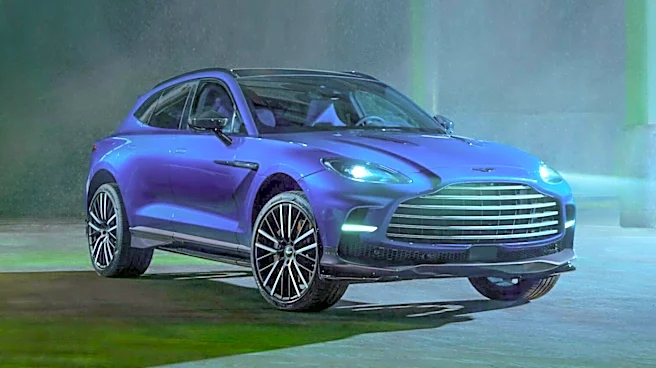
Aston Martin, the British luxury car manufacturer founded in 1913, is undergoing significant transformation under the leadership of CEO Amedeo Felisa. Since Lawrence Stroll's consortium acquired a major stake in 2020, the company has expanded its model
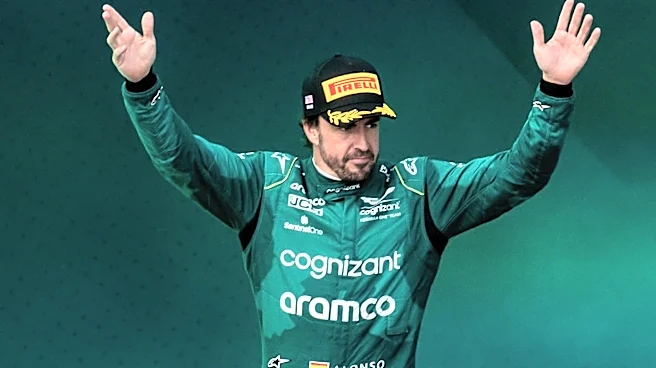
range and is actively embracing electrification. Headquartered in Gaydon, Warwickshire, Aston Martin produces approximately 6,000 vehicles annually and maintains a strong presence in both the luxury automotive market and Formula 1 racing. The company has also strengthened its partnership with Mercedes-AMG. Aston Martin's rich heritage includes iconic models like the DB5 and modern vehicles such as the DBS and Valkyrie hypercar, consistently combining handcrafted luxury with cutting-edge technology. The brand is also famously associated with James Bond films, symbolizing British excellence and sophistication.
Why It's Important?
The strategic shift towards an expanded model range and electrification by Aston Martin is crucial for its long-term viability and competitiveness in the evolving global automotive market. As environmental regulations tighten and consumer preferences lean towards sustainable luxury, Aston Martin's commitment to hybrid and electric vehicle development positions it to capture a new segment of affluent buyers. This move also signals a broader trend within the luxury automotive industry, where traditional performance brands are adapting to technological advancements while striving to maintain their core identity of exclusivity and performance. The strengthened partnership with Mercedes-AMG could lead to shared technologies and platforms, potentially reducing development costs and accelerating innovation, which is vital for a niche manufacturer like Aston Martin to thrive against larger competitors.
What's Next?
Aston Martin is expected to continue its rollout of new models, with a particular focus on hybrid and electric vehicles, as part of its commitment to sustainable luxury. Further collaborations with luxury lifestyle partners and continued engagement with motorsport enthusiasts through initiatives like the Racing Green Club are also anticipated. The company will likely leverage its Formula 1 presence to showcase technological advancements and reinforce its performance credentials. Investors and automotive enthusiasts will be watching closely to see how Aston Martin balances its storied heritage with the demands of modern automotive innovation, especially in the rapidly expanding electric vehicle segment. The success of its electrification strategy will be a key determinant of its future market position and financial performance.
Beyond the Headlines
Aston Martin's journey reflects a broader challenge faced by legacy luxury brands: how to innovate and adapt to new technologies without diluting the brand's core identity and heritage. The brand's association with James Bond has cemented its place in popular culture, creating a unique brand equity that transcends mere automotive performance. As Aston Martin moves into electrification, it must ensure that its electric offerings still embody the 'British excellence and sophistication' that customers expect. This involves not just technological prowess but also maintaining the handcrafted quality and distinctive design that define the brand. The ethical implications of sustainable luxury, including sourcing materials and manufacturing processes, will also become increasingly scrutinized, requiring Aston Martin to demonstrate genuine commitment to environmental responsibility beyond just product offerings.