





What's Happening?
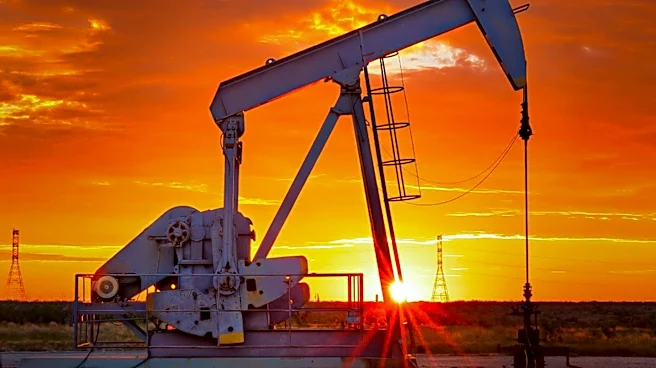
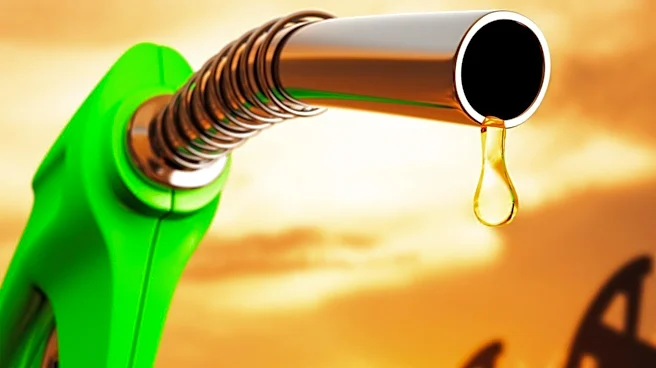
The Federal Reserve is encountering a new challenge as oil prices decline, which could have mixed effects on inflation and economic activity. Historically, lower oil prices have been associated with reduced inflationary pressures, as they decrease costs
for transportation, shipping, and production. However, the current economic climate is different. The economy is already running hotter than the Fed desires, and the reduction in oil prices could lead to increased consumer spending and business activity, potentially exacerbating inflation. The Personal Consumption Expenditures Price Index, the Fed's preferred measure of inflation, is expected to rise to 3.4% in May, well above the Fed's 2% target. This situation is complicated by the reopening of the Strait of Hormuz, which could further stimulate economic activity and force the Fed to consider raising interest rates sooner than anticipated.
Why It's Important?
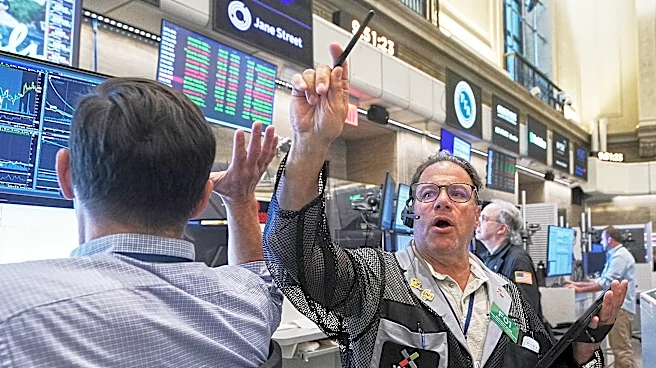
The implications of this development are significant for U.S. economic policy and financial markets. If lower oil prices lead to increased demand in an already overheated economy, the Fed may be compelled to raise interest rates to curb inflation. This could impact borrowing costs for businesses and consumers, potentially slowing economic growth. Additionally, the divergence between oil prices and short-term interest rates suggests a shift in market dynamics that could affect investment strategies and financial stability. Stakeholders, including investors, policymakers, and businesses, must navigate these complexities as they plan for the future.
What's Next?
The Federal Reserve will closely monitor inflation indicators and economic activity to determine the appropriate timing and magnitude of any interest rate adjustments. Market participants will be watching for signals from the Fed regarding its policy stance, particularly in light of the upcoming release of the core PCE data. The potential for increased economic activity due to lower oil prices and geopolitical developments, such as the reopening of the Strait of Hormuz, will also be key factors influencing the Fed's decisions. Stakeholders should prepare for potential volatility in financial markets as these dynamics unfold.