
What's Happening?
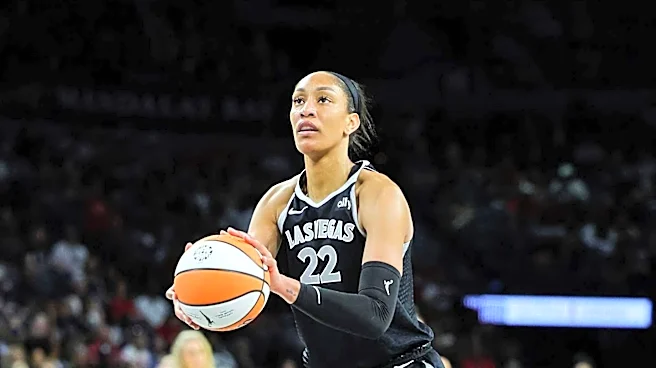
Project B, a new global women's basketball league co-founded by former WNBA star Alana Beard, plans to launch in January with gender eligibility guidelines aligned with the International Olympic Committee
(IOC) and FIBA. This decision comes as the WNBA faces scrutiny over its own gender eligibility rules, which currently state that only women can play in the league without specifying identity or gender assigned at birth. Project B aims to avoid similar controversies by adhering to international standards. The league has already signed several WNBA stars, including Nneka Ogwumike and Jonquel Jones. The WNBA's current policy has sparked debate, particularly following comments from Indiana Fever guard Sophie Cunningham, who expressed concerns about biological men competing in women's sports. The WNBA has not yet responded to these concerns, but Commissioner Cathy Engelbert has indicated that the issue will be discussed in upcoming meetings.
Why It's Important?
The launch of Project B with IOC and FIBA guidelines highlights the ongoing debate over gender eligibility in sports. This move could set a precedent for other leagues, potentially influencing policies across women's sports globally. The WNBA's handling of the issue has drawn criticism and support from various groups, reflecting broader societal debates about gender identity and fairness in sports. Project B's adherence to international standards may attract players and fans seeking clarity and consistency, potentially challenging the WNBA's dominance. The league's decision could also impact sponsorships and partnerships, as companies may align with organizations that reflect their values on gender issues.
What's Next?
Project B is expected to announce more player signings, including international athletes, as it prepares for its January launch. The WNBA will continue to face pressure to clarify its gender eligibility rules, with discussions planned among team executives and stakeholders. The outcome of these discussions could lead to policy changes or reaffirmations, influencing the league's future direction. Additionally, the IOC's recent policy requiring genetic sex testing for female athletes may prompt further debate and potential legal challenges, as stakeholders weigh the implications for privacy and fairness in sports.