




What's Happening?
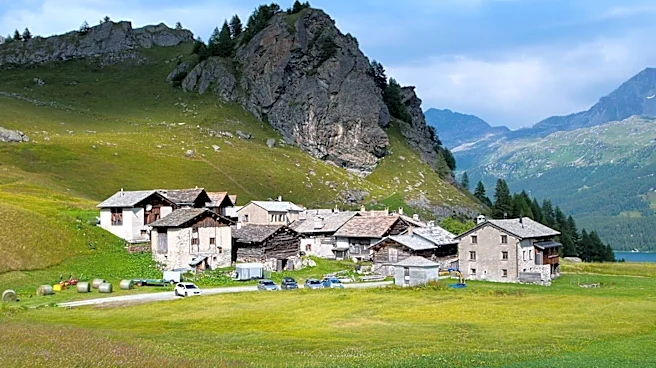
Pré-Saint-Didier, a village in Italy's Aosta Valley, is known for its alpine hiking routes and historic thermal waters. Situated at 1,014 meters, the commune offers dramatic scenery with surrounding peaks and the Dora di Verney torrent. The village has
a long history, with its hot springs known since Roman times. The systematic use of these waters began in the mid-seventeenth century, leading to the construction of a historic thermal establishment in 1834. This establishment, along with a casino built in 1888, attracted visitors including members of the House of Savoy. The village's landscape is distinctly alpine, characterized by short summers and long, snowy winters. It serves as a base for exploring the Valdigne and its lateral valleys, providing access to high alpine terrain and activities like rafting and kayaking on the torrent. The parish church of San Lorenzo, with its eleventh-century bell tower, is a prominent landmark.
Why It's Important?
The village's blend of natural beauty and historical significance makes it a notable destination for tourism and cultural preservation. The long-standing tradition of thermal baths, dating back to Roman times and revitalized in the 2000s, highlights the enduring appeal of wellness tourism in alpine regions. The availability of diverse outdoor activities, from hiking to white-water sports, contributes to the local economy and promotes active lifestyles. The preservation of historical structures like the San Lorenzo church and the Grand bâtiment, alongside the visible defensive works of the Alpine Wall, offers insights into the region's past and its strategic importance. The focus on local food products, such as Fontina DOP cheese and cured meats, supports regional agriculture and culinary traditions, enriching the visitor experience and maintaining local identity.
What's Next?
Pré-Saint-Didier continues to attract visitors seeking both relaxation and adventure. The thermal baths operate year-round, ensuring a steady flow of wellness tourists. The village's role as a base for alpine trekking and nature exploration suggests ongoing efforts to maintain and develop its mountain trails and outdoor activity infrastructure. Seasonal events, such as the feast day of San Lorenzo on August 10th and the Foire des glaciers on December 30th, will continue to draw crowds and showcase local traditions and crafts. While passenger rail services were suspended in 2015, road access remains the primary mode of transport, indicating a continued reliance on vehicular tourism. Future developments may focus on enhancing public transport options or further promoting sustainable tourism practices to preserve the alpine environment.
Beyond the Headlines
The story of Pré-Saint-Didier reflects a broader trend in European tourism where historical sites and natural landscapes are increasingly valued for their unique experiences. The village's ability to adapt and thrive, from its Roman origins to its modern-day appeal, demonstrates the resilience of communities rooted in specific geographical and cultural assets. The emphasis on local products and traditions underscores a growing consumer preference for authentic, regionally sourced goods. Furthermore, the balance between preserving historical integrity and embracing modern amenities, such as the renovated thermal baths, highlights the challenges and opportunities in managing heritage tourism. The village's 'unambiguously alpine' landscape also serves as a reminder of the profound influence of geography on local culture, economy, and way of life, offering a microcosm of the broader alpine identity.