


What's Happening?
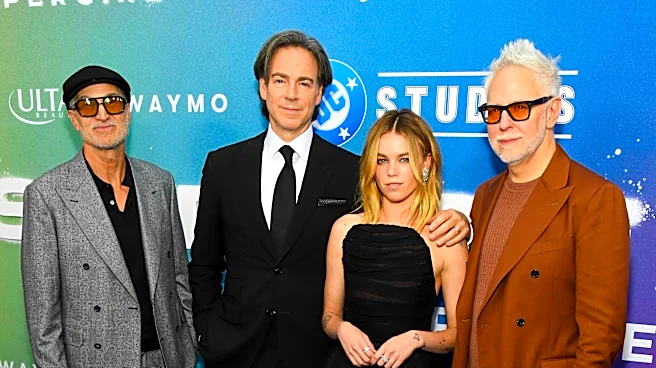
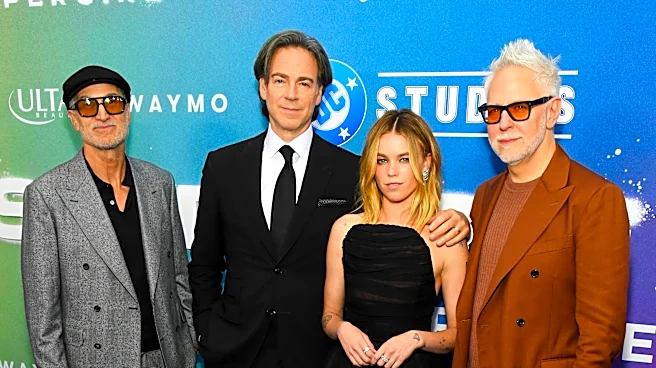
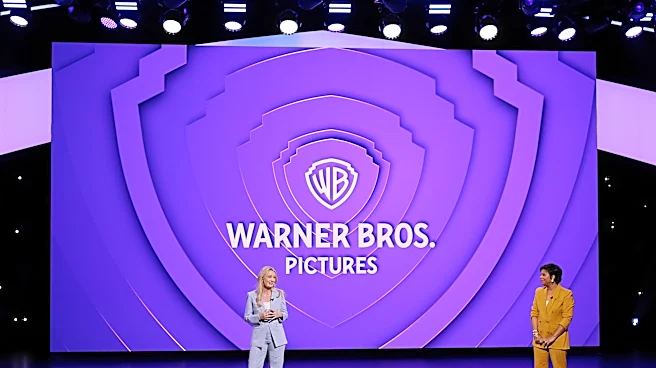
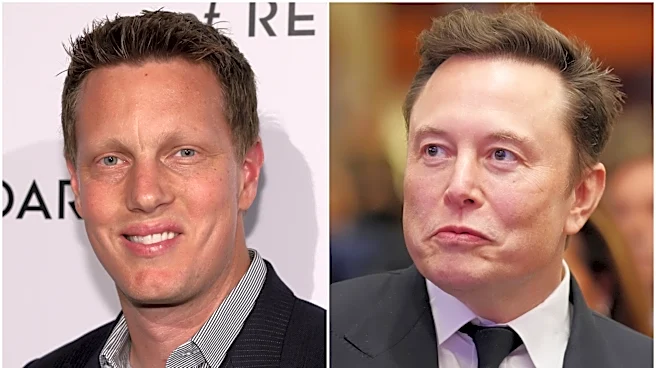
Skydance CEO David Ellison is facing significant criticism regarding his handling of executive terminations following Skydance-owned Paramount's $111 billion acquisition of Warner Bros. Several high-profile executives, including DC Studios co-CEOs James
Gunn and Peter Safran, Warner Bros. Pictures Animation president Bill Damaschke, and Warner Bros. motion-picture group co-chairpersons Mike De Luca and Pam Abdy, were reportedly fired after receiving reassurances about their job security. Gunn and Safran were dismissed on November 6, despite a congratulatory meeting with Ellison in mid-October. Damaschke was reportedly blindsided on November 16, just after Ellison had praised him at a company town hall. De Luca and Abdy learned of their dismissal from an industry newsletter on October 1, followed by a phone call from Ellison the next morning, despite having signed a five-year contract renewal through 2030. These actions have led to a perception within Skydance that Ellison's word is unreliable, causing widespread panic among employees.
Why It's Important?
The executive turmoil at Skydance following the Paramount-Warner Bros. merger has significant implications for the Hollywood industry. The reported lack of transparency and sudden terminations, particularly after reassurances, can erode trust within the corporate structure and create a volatile work environment. This situation could deter top talent from joining Skydance or other merged entities, as job security becomes a major concern. The merger itself is projected to result in thousands of job eliminations and up to $1.26 billion in lost wages across the industry, exacerbating existing anxieties. Ellison's approach to these personnel changes, perceived as a departure from traditional corporate decorum, could impact Skydance's reputation and its ability to foster cohesion during a critical period of integration and debt management. The industry is watching closely as Skydance navigates its $80 billion debt load and aims to release 30 films annually.
What's Next?
The immediate future for Skydance involves integrating the newly merged Paramount-Warner Bros. entities while managing significant debt and internal unrest. Jeremy Latcham has been quietly enlisted to run DC Studios, replacing Gunn and Safran, and will take his post on December 1. The new leadership will be tasked with stabilizing creative direction and employee morale. The ongoing layoffs and executive reshuffling are expected to continue as Skydance aims to slash at least $6 billion in annual run-rate costs. Industry observers will be monitoring how these changes affect upcoming film and television productions, as well as the overall strategic direction of the combined studio. The long-term impact on Skydance's corporate culture and its ability to attract and retain talent will be a key indicator of Ellison's leadership effectiveness in this new, more aggressive phase of his career.
Beyond the Headlines
The executive firings at Skydance highlight a broader shift in corporate leadership styles within Hollywood, particularly in the context of massive mergers and acquisitions. Ellison's reported 'I-have-no-soul' method, as described by one former executive, suggests a move towards a more ruthless, results-driven approach, potentially influenced by the demands of servicing an $80 billion debt and the expectations of major equity backers. This shift could signal a departure from traditional Hollywood collegiality, where executive transitions often involved more discreet negotiations and consolation deals. The ethical implications of offering reassurances before abrupt terminations raise questions about corporate responsibility and employee welfare in high-stakes business environments. This situation also reflects the intense pressure on CEOs to demonstrate fiscal discipline to Wall Street, potentially prioritizing financial outcomes over established professional norms and employee loyalty, thereby reshaping the landscape of executive employment in the entertainment industry.