



What's Happening?
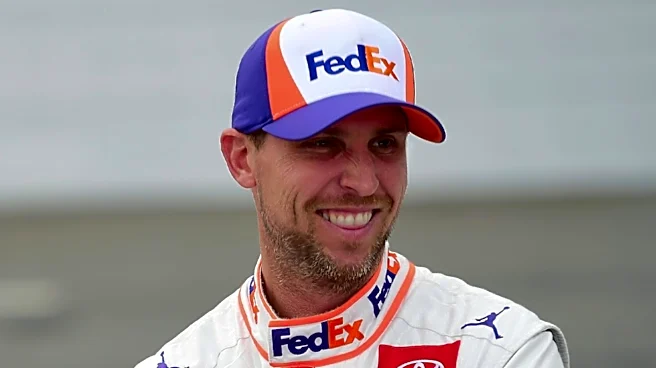
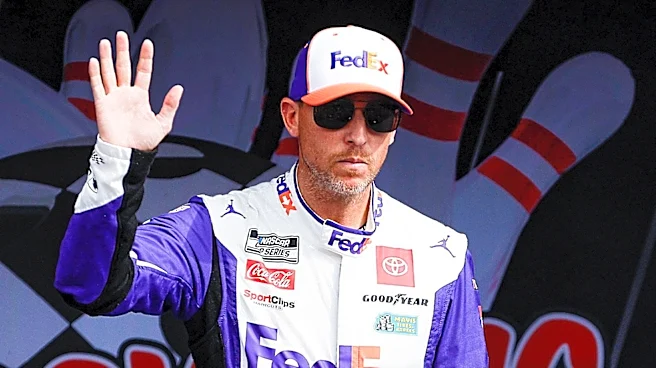
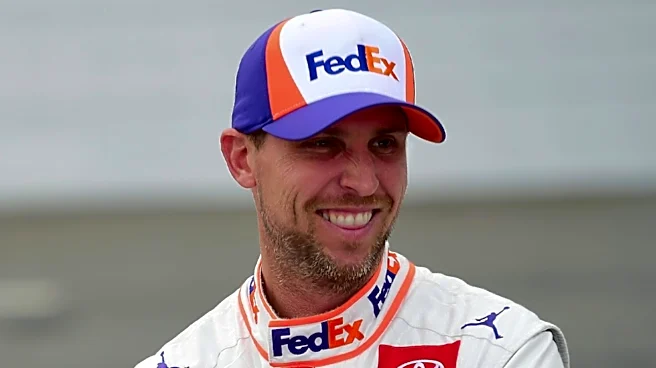
Denny Hamlin has clinched the 2026 NASCAR full-season points 'championship,' a significant achievement that recognizes his consistent performance throughout the entire season, despite being effectively eliminated from contention for the official Cup Series
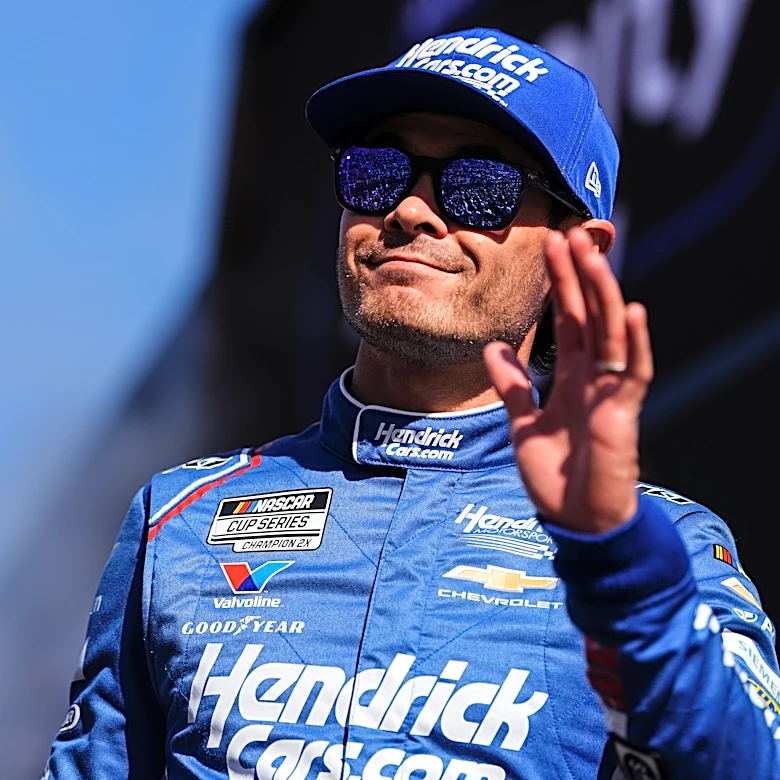
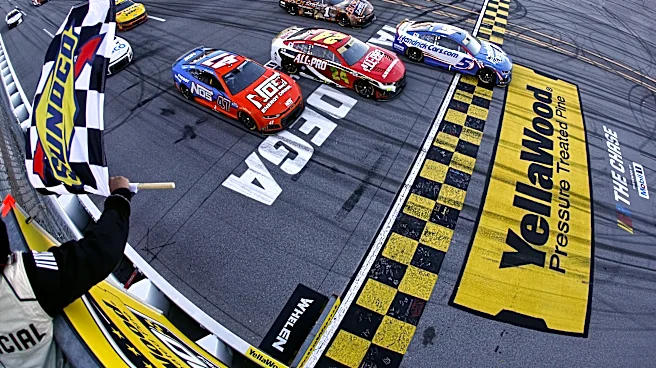
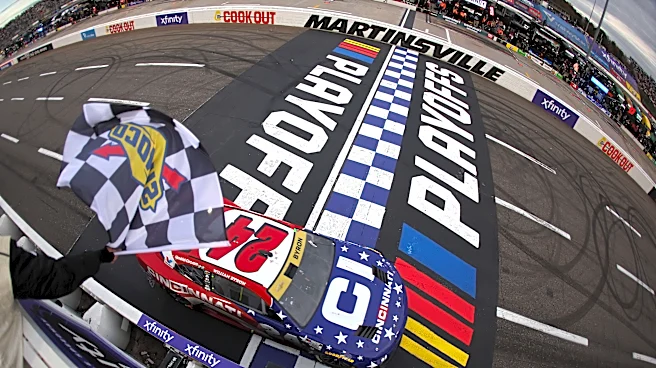
championship. This distinction highlights the difference between the regular season points leader and the playoff champion under NASCAR's current format. Hamlin's lead in full-season points was secured after the Martinsville Speedway race, even though his sixth-place finish there solidified Kyle Larson's strong position for the playoff title. The 2026 season marked a return to the 10-race 'Chase' postseason format, which aims to reward consistency more than the previous 'win and in' system. Despite this format change, the regular season points leader does not automatically translate into the playoff champion, as evidenced by Hamlin's situation.
Why It's Important?
This outcome underscores a critical debate within NASCAR regarding its championship format. While the playoff system is designed to create dramatic finishes and reward performance in the final races, Hamlin's full-season points lead highlights a potential disconnect between consistent year-long excellence and the ultimate championship title. For fans and purists who value season-long performance, Hamlin's achievement validates his team's sustained effort. However, for those who embrace the playoff structure, the focus remains on the final contenders. This situation could fuel ongoing discussions about the fairness and effectiveness of NASCAR's championship format, potentially influencing future rule adjustments. It also provides a unique narrative for Hamlin, who, despite never winning a Cup Series championship, has now demonstrated unparalleled consistency over an entire season.
Beyond the Headlines
The distinction between the full-season points leader and the playoff champion raises broader questions about how sports leagues define and reward success. In NASCAR, this dual recognition can lead to differing interpretations of who truly had the 'best' season. While the official championship brings prestige and financial benefits, the full-season points title offers a different kind of validation, acknowledging the grind and consistency required over many months of racing. This scenario could influence how teams strategize throughout the year, balancing the pursuit of regular-season points with the need to peak during the playoffs. It also highlights the evolving nature of sports entertainment, where formats are often adjusted to maximize excitement and fan engagement, sometimes at the expense of traditional measures of achievement.