





What's Happening?
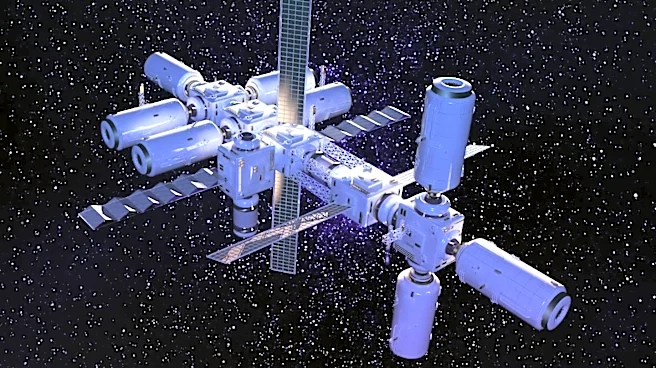
Voyager Technologies is advocating for adjustments to NASA's requirements for commercial space station development, specifically for its Starlab project. During a recent earnings call, Voyager executives expressed optimism about the commercial demand
for Starlab, citing over $500 million in agreements. However, they raised concerns about the robustness of NASA's proposed requirements, which they believe could hinder timely and budget-friendly construction. Voyager is a key player in NASA's Commercial Low Earth Orbit Destinations program, which aims to develop commercial successors to the International Space Station. The company is awaiting the final request for proposals from NASA, expected later this year, and hopes for modifications that will enhance its competitive position.
Why It's Important?
The development of commercial space stations is crucial for maintaining a continuous human presence in low Earth orbit, especially as the International Space Station approaches retirement. Voyager's advocacy for more flexible requirements highlights the challenges of balancing safety and feasibility in space infrastructure projects. The outcome of this negotiation could set precedents for future collaborations between NASA and private companies, influencing the pace and cost of space station development. Successful commercial stations will support scientific research, technology development, and potentially open new markets in space tourism and industry.
What's Next?
NASA is reviewing feedback on its draft requirements and plans to release a final version of the request for proposals soon. Voyager and other companies are preparing to submit their proposals, with awards expected early next year. The timeline is critical, as commercial stations need to be operational before the ISS is decommissioned. Voyager's recent acquisition of Astrobotic Technology and its increased revenue projections suggest a strategic positioning to capitalize on the growing space economy. The company's success in securing a favorable position in NASA's program could accelerate its path to profitability and strengthen its role in the future of space exploration.