

What's Happening?
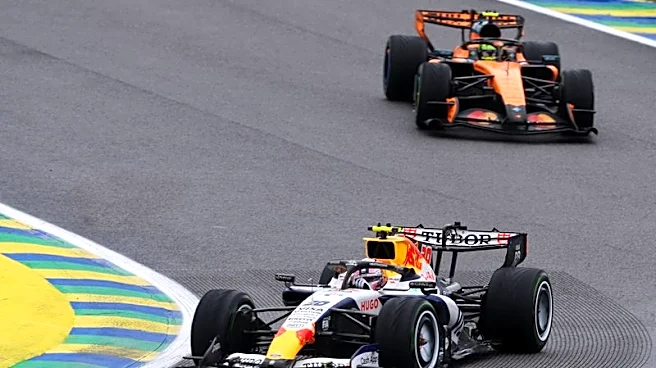
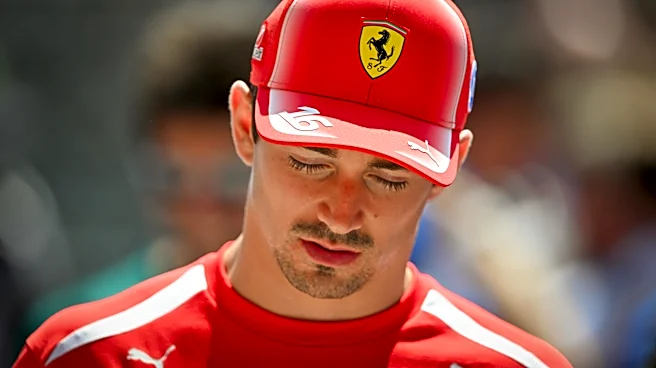
Haas driver Oliver Bearman was issued a five-second penalty at the 2026 São Paulo Grand Prix for an unsafe release during a pit stop. The incident occurred when Bearman was released directly into the path of Ferrari driver Charles Leclerc in the pit lane,
forcing Leclerc to brake and take evasive action to avoid a collision. The FIA stewards investigated the matter and concluded that Bearman's team was responsible for the unsafe release. Despite the penalty, Bearman's final finishing position of 17th was not affected, as he had a sufficient lead over the driver behind him. This penalty adds to a challenging period for Bearman, who also expressed frustration over slow pit stops during the race, which he believes significantly hampered his performance. He started the race from sixth on the grid but finished a lap down, without scoring any points.
Why It's Important?
This incident highlights the critical importance of safety protocols and efficient operations in the high-stakes environment of Formula 1 pit stops. Unsafe releases not only endanger drivers and pit crew but also carry significant sporting consequences, as seen with penalties affecting race outcomes. For Haas, this penalty underscores potential operational weaknesses in their pit stop procedures, which can be detrimental to their competitive standing. For drivers like Bearman, consistent issues with pit stops and penalties can impact morale and performance, especially for a young driver aiming to establish himself in the sport. While this specific penalty did not alter his final position, repeated infractions or operational inefficiencies can cost valuable points and affect a team's championship aspirations and a driver's career trajectory. It also emphasizes the FIA's commitment to enforcing safety regulations rigorously.
What's Next?
Following this incident, Haas will likely review its pit stop procedures and training protocols to prevent future unsafe releases. Teams are constantly striving for perfection in pit stops, and such penalties serve as a reminder of the need for meticulous execution. For Oliver Bearman, the focus will be on resetting and improving performance in upcoming races, as he stated his desire to 'go home and reset' after a difficult three weeks. The team will need to address the issues with slow pit stops that Bearman highlighted, as these directly impact a driver's ability to compete effectively. The FIA will continue to monitor pit lane safety, and any recurrence of such incidents could lead to more severe penalties for teams.
Beyond the Headlines
Beyond the immediate sporting implications, this event touches upon the broader theme of human error and technological precision in elite motorsports. Pit stops are a choreographed ballet of speed and accuracy, where fractions of a second can determine success or failure. An unsafe release, even if it doesn't result in a collision, reveals a momentary lapse in this intricate process. It also brings into focus the pressure on pit crews, who operate under immense time constraints and scrutiny. The incident could prompt further discussions within Formula 1 regarding automated systems or enhanced sensor technology to prevent such occurrences, balancing the human element with technological safeguards to ensure maximum safety without compromising the spectacle of racing.