





What's Happening?
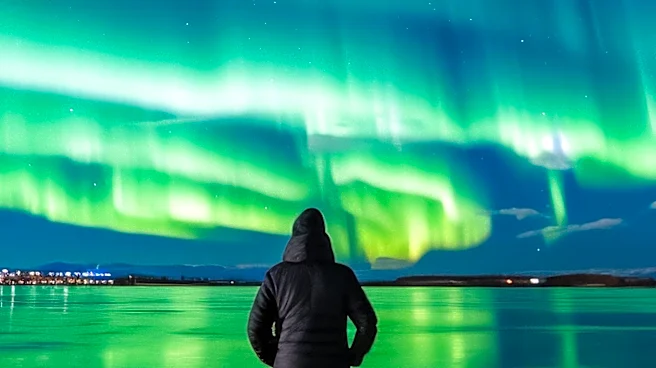
Global searches for the aurora borealis have increased by 132% year-on-year, according to Trip.com data. This heightened interest is translating into a significant surge in bookings for aurora-viewing tours and packages, which have risen by 225% year-on-year.
Nordic countries such as Finland, Norway, and Sweden are among the top-searched destinations for Northern Lights. Specifically, destinations like Reykjavík, Iceland, Tromsø, Norway, and Yellowknife, Canada, are seeing a notable increase in bookings. The upcoming winter-spring season is already showing an upward trend in total bookings to popular aurora-viewing locations, with Rovaniemi, Finland, experiencing a 72% increase, Kiruna, Sweden, a 56% increase, and Tromsø, Norway, a 48% increase. Travelers from China, the United Kingdom, Hong Kong SAR, Japan, and Singapore are key drivers of this growth. This trend is particularly significant as reports suggest that 2026-2027 may be the last reliably strong aurora season before activity declines around 2031.
Why It's Important?
The substantial increase in Northern Lights tourism has significant economic implications for the travel industry and the economies of Nordic and Arctic regions. The surge in bookings and searches indicates a robust demand for experiential travel, particularly for unique natural phenomena. This trend benefits airlines, hotels, tour operators, and local businesses in these destinations, creating jobs and boosting revenue. The extended stay of international travelers, averaging eight to nine days, further amplifies the economic impact, as visitors engage in various winter activities beyond aurora chasing, such as whale watching, skiing, and cultural experiences. The anticipated decline in aurora activity post-2027 suggests a potential rush for travelers to experience the phenomenon in the near term, which could lead to increased competition for bookings and potentially higher prices, impacting budget-conscious travelers. This also highlights the importance of sustainable tourism practices to manage the influx of visitors and preserve the natural environments and local cultures.
What's Next?
As the 2026-2027 season is projected to be one of the last strong aurora seasons before a minimum around 2031, it is expected that travel interest and bookings will continue to intensify. Travel companies and destinations are likely to further capitalize on this demand by offering more specialized tours and packages. The use of AI agents, such as TripGenie, to help travelers identify suitable aurora-viewing destinations based on their preferences will likely become more prevalent. Destinations like Tromsø, which sits directly beneath the auroral oval, will continue to be prime locations for viewing. The industry will need to manage the increased tourist traffic, potentially leading to discussions around infrastructure development, environmental protection, and ensuring authentic local experiences. Travelers are advised to plan and book their trips well in advance, as booking windows are already extending, especially for APAC travelers.
Beyond the Headlines
The heightened interest in the Northern Lights reflects a broader cultural shift towards seeking unique and awe-inspiring natural experiences. This phenomenon, often considered a 'bucket list' item, underscores the human desire for connection with nature and the cosmos. The urgency driven by the projected decline in aurora activity adds a layer of 'now or never' to this travel trend, potentially influencing travel behaviors and priorities. This also raises questions about the long-term sustainability of such concentrated tourism in fragile Arctic environments and the potential impact on local communities and wildlife. The reliance on solar activity for aurora visibility highlights the delicate balance between natural cycles and human tourism, prompting a deeper appreciation for celestial events and the need for responsible travel practices.