





What's Happening?
Taiwan's economy has maintained a boom for the tenth consecutive month, with its monitoring indicator climbing to 41 last month from a revised 40 in August. This marks the longest such streak since 1984, according to the National Development Council (NDC).
The sustained growth is primarily attributed to a structural shift driven by significant investment in Artificial Intelligence (AI) hardware. NDC Department of Economic Development Director Chen Mei-chu highlighted that Taiwan's robust semiconductor industry and extensive network of suppliers are crucial in spreading these economic gains beyond major chipmakers. Global cloud service providers are projected to spend approximately US$957 billion on capital expenditure this year, with forecasts exceeding US$1.5 trillion next year, positioning Taiwan to capture a substantial share due to its manufacturing capabilities in chips, components, and equipment essential for AI infrastructure.
Why It's Important?
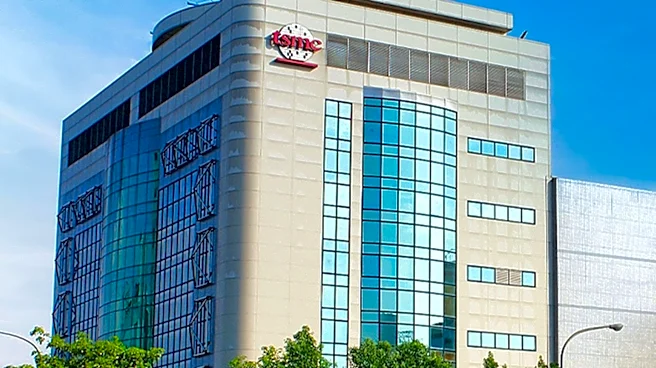
Taiwan's prolonged economic boom, fueled by AI and semiconductor manufacturing, has significant implications for the global technology supply chain and the U.S. economy. As a leading producer of advanced semiconductors, Taiwan's economic health directly impacts industries worldwide that rely on these critical components, including consumer electronics, automotive, and defense sectors in the U.S. The sustained demand for AI hardware is creating opportunities not only for major chipmakers like Taiwan Semiconductor Manufacturing Co (TSMC), which plans to invest US$60 billion to US$64 billion this year, but also for traditional industries supplying materials and machinery. This economic strength enhances Taiwan's strategic importance and resilience, but also underscores the potential vulnerabilities of global supply chains concentrated in specific regions, a concern for U.S. economic security and technological independence.
What's Next?
The NDC anticipates that continued global investment in AI infrastructure will further support Taiwan's exports of electronics and information and communications technology products. Capital spending by domestic semiconductor, memory, and substrate manufacturers, along with foreign investment in Taiwan, is expected to provide additional economic support. The leading indicators, which forecast economic prospects for the next six months, show a positive trend, with increases in building starts, export-order trends, manufacturing business sentiment, and stock prices. This suggests that Taiwan's economic momentum is likely to persist. The focus will remain on leveraging its advanced manufacturing capabilities to meet the growing global demand for AI-related hardware, further solidifying its position as a critical player in the tech industry.