





What's Happening?
The luxury travel sector is undergoing a significant transformation, moving away from simply accumulating destinations towards prioritizing meaningful and immersive experiences. Travelers are increasingly seeking opportunities to connect deeply with the
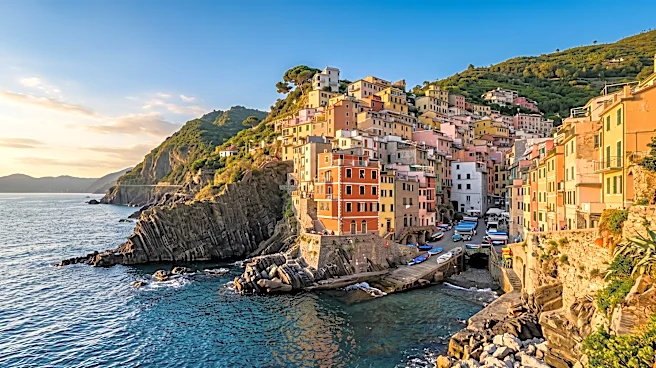
culture, cuisine, architecture, and local life of their chosen destinations. This shift is evident in the growing demand for activities such as exploring local markets, discovering independent designers, participating in regional cooking classes, and engaging in neighborhood explorations with knowledgeable guides. The emphasis is now on fostering curiosity and spontaneity, allowing for more personal and authentic interactions rather than adhering to rigid, traditional sightseeing itineraries. Boutique hotels in historic neighborhoods, immersive culinary experiences, and wellness retreats are becoming more popular, reflecting a desire for personalized and story-rich journeys. Even small adjustments, like avoiding rushed schedules or learning local phrases, are seen as ways to enhance the travel experience, making it more rewarding and memorable.
Why It's Important?
This evolution in luxury travel signifies a broader change in consumer values, impacting the travel and hospitality industries. For U.S. travelers, it means a greater emphasis on bespoke itineraries and authentic engagement, potentially leading to a decline in demand for generic, mass-market luxury offerings. Businesses in the travel sector, from tour operators to hotel chains, must adapt by offering more personalized, culturally rich, and sustainable options. Those that fail to innovate risk losing market share to competitors who cater to this new demand for experiential luxury. The shift also highlights a growing appreciation for local economies and artisans, as travelers seek out independent designers and regional culinary experiences, potentially boosting small businesses in destination countries. Furthermore, it underscores a desire for slower, more intentional travel, which could influence how travel time is allocated and how destinations are marketed, moving beyond mere scenic beauty to highlight unique cultural narratives and personal growth opportunities.
What's Next?
In response to this trend, luxury travel providers are expected to further enhance their offerings to include highly customized itineraries and exclusive access to local experiences. This will likely involve increased collaboration with local experts, chefs, and artisans to create unique, immersive programs. We can anticipate a continued rise in boutique accommodations that emphasize local character and design, moving away from standardized luxury hotels. Travel agencies and platforms will likely focus on curating experiences that allow for flexibility and spontaneity, providing travelers with comprehensive pre-departure information and personalized support to facilitate deeper engagement with their destinations. The industry may also see a greater integration of technology to personalize travel planning, offering tailored recommendations and seamless booking processes for these unique experiences. Additionally, there could be a stronger push towards sustainable and responsible tourism practices, as travelers become more conscious of their impact on local communities and environments.
Beyond the Headlines
The shift towards experiential luxury travel reflects a deeper societal trend of valuing authenticity and personal enrichment over material possessions or superficial displays of wealth. This movement suggests a growing desire among affluent consumers to invest in experiences that offer personal growth, cultural understanding, and lasting memories. It challenges the traditional notion of luxury, redefining it not by opulence alone, but by the depth and quality of engagement. This could lead to a re-evaluation of what constitutes 'luxury' across various industries, pushing brands to offer more meaningful and purpose-driven products and services. Ethically, it encourages more responsible tourism, fostering respect for local cultures and environments. Culturally, it promotes cross-cultural understanding and appreciation, as travelers actively seek to immerse themselves in diverse ways of life. In the long term, this trend could contribute to a more conscious and sustainable global tourism industry, where the focus is on enriching both the traveler and the host community.