





What's Happening?
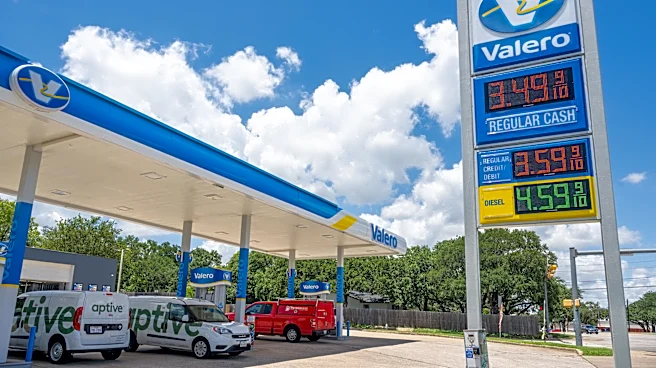
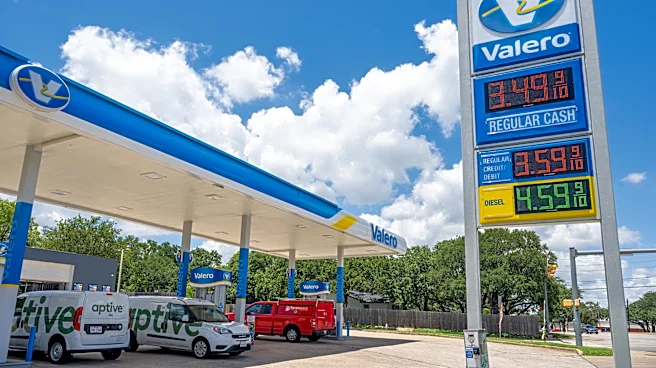
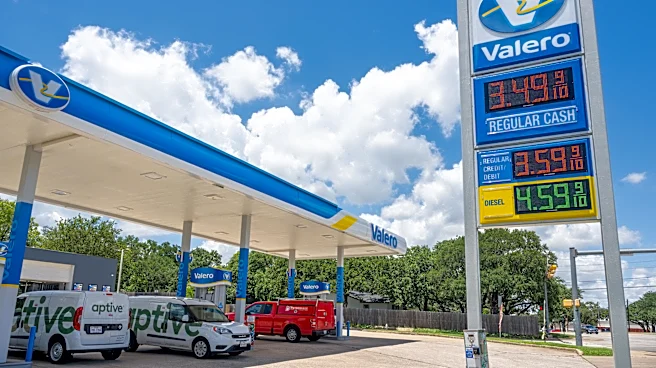
Gas prices in Colorado Springs have experienced a notable decline, dropping by 38 cents in the past week to an average of $3.64 per gallon. This local trend is part of a broader statewide reduction, with Colorado's average price now at $3.83, a 33-cent
decrease from the previous week. Nationally, the average price has fallen below $4. Brynna Knapp, a representative from AAA, attributes this price drop to three primary factors: decreased demand due to less driving post-summer, the seasonal transition to a cheaper winter fuel blend that contains a higher percentage of butane, and a reduction in oil prices, which are currently near $90 a barrel, partly due to easing international tensions. Knapp clarified that social media suggestions linking the price drop to the recent election are inaccurate, as gas prices have been on a downward trend for the past month. Drivers in Colorado Springs are expressing satisfaction, with some observing prices as low as $3.11, and hope the trend continues.
Why It's Important?
The significant drop in gas prices in Colorado Springs carries substantial economic implications for residents and local businesses, particularly as the holiday season approaches. Lower fuel costs directly translate to increased disposable income for households, which can alleviate financial pressures caused by inflation. Dr. Joe Craig, a local economist with UCCS, anticipates that these reduced gas prices will likely stimulate greater consumer spending and travel during the holidays. This boost in economic activity could benefit various sectors, including retail, hospitality, and tourism, providing a much-needed lift to the local economy. For individuals, the lower prices mean more affordable daily commutes and the potential for more extensive holiday travel, such as trips to the mountains, which is a popular activity for Colorado residents. This economic relief fosters a sense of stability and optimism among consumers, encouraging them to engage more actively in the local economy.
What's Next?
Forecasters anticipate that the downward trend in gas prices in Colorado Springs will continue, with AAA projecting even lower prices by Thanksgiving, provided there isn't a significant rebound in oil prices. This sustained affordability is expected to further encourage holiday travel and spending, potentially leading to a more robust holiday shopping season for local businesses. Consumers, like Juan Echeverri, are hopeful that prices will continue to fall, although a return to the $2.50-$2.60 range seen last year is considered unlikely by AAA. The combination of lower gas prices and a post-election sense of stability is expected to contribute to increased consumer confidence and spending, according to Dr. Craig. This could translate into more road trips and local excursions, benefiting gas stations, restaurants, and attractions throughout the region. The ongoing monitoring of global oil markets and local demand will be crucial in determining the longevity of these favorable fuel prices.
Beyond the Headlines
The current decline in gas prices in Colorado Springs, while immediately beneficial for consumers, also highlights broader economic and behavioral dynamics. The shift to a winter fuel blend, a technical aspect of the petroleum industry, demonstrates how seasonal operational changes can directly impact consumer costs. Furthermore, the discrediting of election-related price drops by AAA underscores the importance of expert analysis in countering misinformation, especially in an era where social media often fuels speculative narratives. This period of lower prices could also subtly influence urban planning and transportation discussions. While it provides immediate relief, it might temporarily reduce the urgency for investments in public transportation or alternative energy vehicles, as the economic incentive for such shifts diminishes. Long-term, the volatility of gas prices, influenced by global events and seasonal demands, continually reminds consumers and policymakers of the need for diverse energy strategies and resilient economic planning to buffer against future price shocks. The psychological impact of feeling more financially secure due to lower gas prices can also contribute to a general sense of well-being, influencing community morale beyond just economic indicators.