



What's Happening?
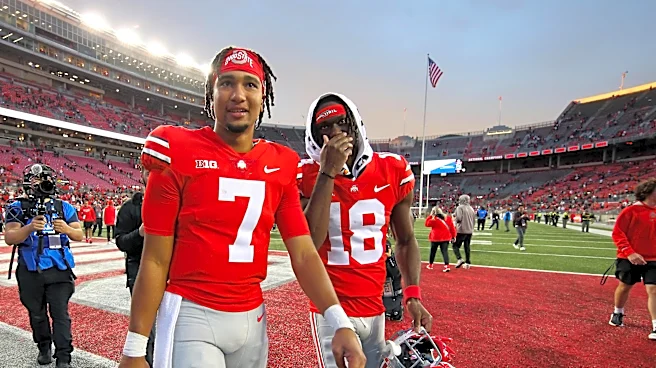
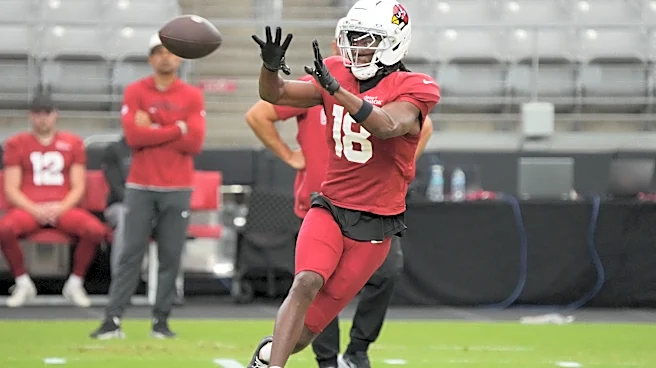
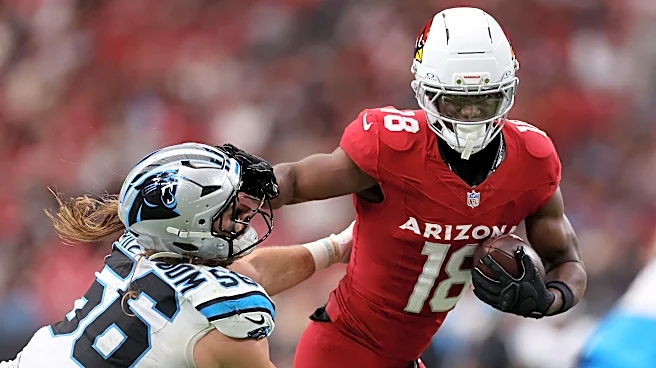
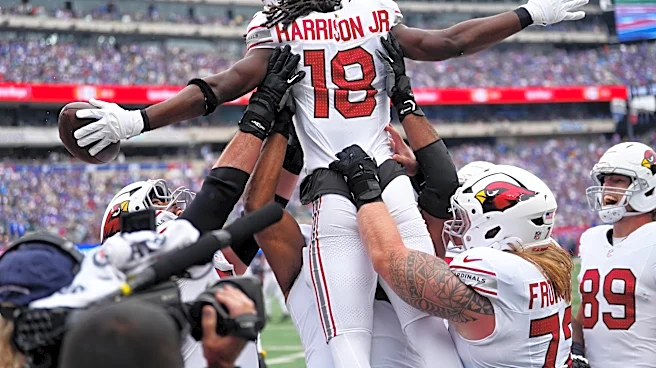
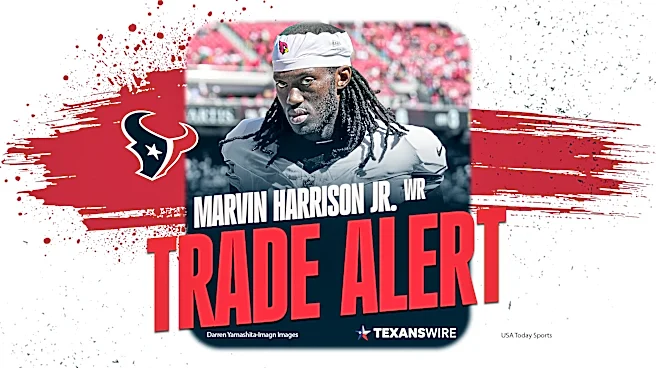
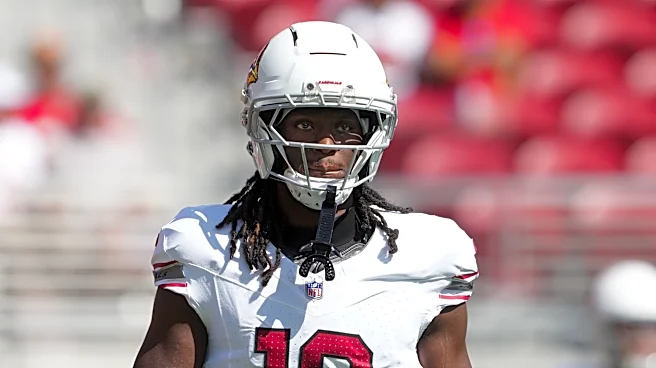
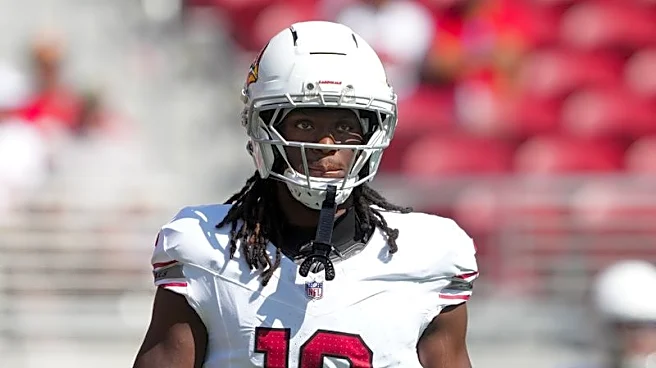
Wide receiver Marvin Harrison Jr. has been traded from the Arizona Cardinals to the Houston Texans. Harrison, who was the fourth overall pick in the 2024 NFL Draft out of Ohio State, spent two full seasons and part of a third with the Cardinals. During
his tenure in Arizona, he recorded 103 catches for 1,493 yards and 12 touchdowns in his first two seasons. He added five catches in four games this current season before the trade was finalized. The Cardinals made him inactive last week as they prepared for the trade. Harrison met with the media for the first time as a Texan on Wednesday, declining to elaborate on the specific reasons for his departure from Arizona, stating, “There’s a lot of factors. With any situation, you always want to take accountability for yourself. . . . I’m just looking forward to the future.” He also addressed past critiques of his play and effort, asserting that he knows “who I am as a player.”
Why It's Important?
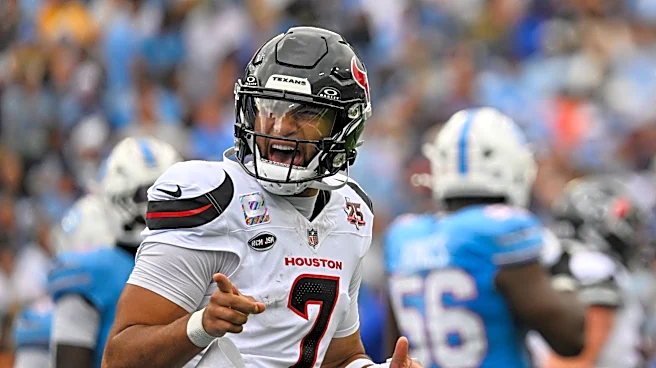
This trade signifies a significant shift for both the Arizona Cardinals and the Houston Texans. For the Cardinals, it marks the end of a high-profile draft pick's tenure that did not meet initial expectations, potentially indicating a strategic pivot in their team building or a recognition of a mismatch. For the Texans, acquiring Harrison Jr. could be a major boost to their offensive capabilities, especially given his existing rapport with quarterback C.J. Stroud from their college days at Ohio State. This connection is expected to facilitate a smoother transition and potentially unlock Harrison's full potential, which the Texans hope will lead to an 'upswing' in his career. The move could impact the competitive balance within the AFC South, strengthening the Texans' receiving corps and providing Stroud with a familiar and talented target, which is crucial for a developing quarterback and a team aiming for playoff contention.
What's Next?
Marvin Harrison Jr. will now integrate into the Houston Texans' offensive scheme, aiming to re-establish himself as a top-tier wide receiver alongside quarterback C.J. Stroud. The immediate focus will be on how quickly he can adapt to the Texans' playbook and build on his existing chemistry with Stroud in a professional setting. His performance in Houston will be closely watched, as it will determine the success of this trade for both Harrison and the Texans. For the Cardinals, the trade opens up a roster spot and potentially provides draft capital or other assets that they will use to reshape their team. The long-term implications for both franchises will depend on Harrison's production in Houston and how the Cardinals utilize the resources gained from the trade.
Beyond the Headlines
The trade of a high-draft-pick player like Marvin Harrison Jr. highlights the complex dynamics of player development and team fit in the NFL. While Harrison was considered a 'can't miss prospect,' his performance in Arizona, though statistically decent, did not fully align with the Cardinals' expectations or his perceived potential. This situation underscores that success in professional sports involves more than just raw talent; factors such as team environment, coaching philosophy, and player-quarterback chemistry play crucial roles. Harrison's move to Houston, where he reunites with his college quarterback, suggests a strategic attempt to optimize these factors. This scenario also reflects the increasing willingness of NFL teams to make significant personnel changes when initial investments do not yield the desired results, prioritizing team performance and future potential over sunk costs.