






What's Happening?
Global rare earth production is estimated to have reached 390,000 tonnes of oxide equivalent in 2025, marking an approximate 39% increase from 2021 levels. This significant rise is primarily attributed to the escalating demand for these critical materials
in advanced technologies. Rare earths, including magnet materials like neodymium and praseodymium, are essential components in electric motors, wind turbines, and various other high-tech applications. The overall production of tech and precious metals in 2025, encompassing rare earths, cobalt, lithium, and others, totaled over 1.9 million tonnes. This growth highlights the increasing reliance of modern industries on these specialized metals, despite their relatively smaller production volumes compared to industrial metals like iron ore.
Why It's Important?
The substantial increase in rare earth production underscores a critical shift in global industrial priorities, driven by the rapid expansion of electric vehicles, clean energy initiatives, and defense technologies. For the U.S., this trend highlights both opportunities and challenges. Increased global supply could stabilize prices and ensure access for American manufacturers, but it also emphasizes the strategic importance of securing domestic rare earth sources to reduce reliance on foreign suppliers. Companies involved in the exploration and production of rare earth elements stand to gain significantly from this growing demand. Conversely, industries heavily dependent on these materials, such as automotive and electronics, face potential supply chain vulnerabilities if production or access is disrupted. The strategic value of rare earths makes their supply a matter of national economic and security interest.
What's Next?
The continued growth in demand for rare earths is expected to drive further investment in mining and processing capabilities globally. Nations, including the U.S., are likely to intensify efforts to develop and secure their own rare earth supply chains to mitigate geopolitical risks and ensure industrial competitiveness. This could involve increased government funding for domestic mining projects, research into more efficient extraction and processing methods, and the formation of international partnerships to diversify supply sources. The focus will remain on balancing the environmental impact of mining with the urgent need for these critical materials to support technological advancement and green energy transitions.
Beyond the Headlines
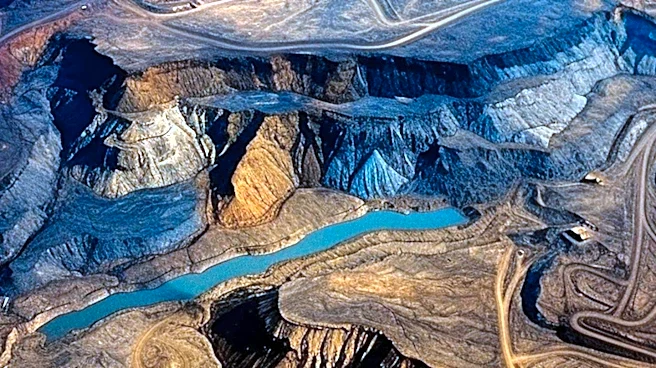
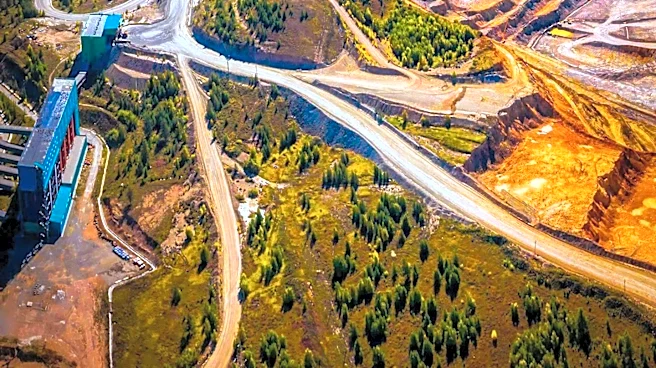
The surge in rare earth production carries deeper implications beyond immediate economic and technological benefits. It raises significant environmental and ethical concerns related to mining practices, including habitat destruction, water pollution, and waste management. The complex supply chains for rare earths often involve regions with varying environmental regulations and labor standards, prompting questions about responsible sourcing and sustainability. Furthermore, the concentration of rare earth processing in a few countries creates geopolitical leverage, making the control and access to these resources a key factor in international relations and trade policies. The long-term shift towards a green economy, heavily reliant on rare earths, necessitates a global re-evaluation of resource governance, environmental stewardship, and equitable distribution of benefits and burdens.