







What's Happening?
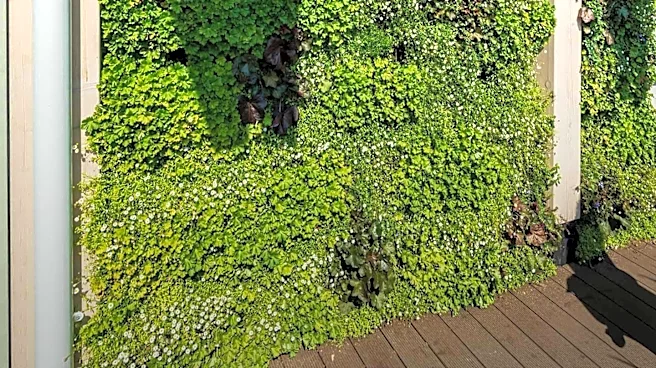
Vertical gardening, a method of growing plants upwards rather than outwards, is experiencing a surge in popularity, particularly among individuals with limited outdoor space such as small gardens or balconies. This technique involves utilizing trellises,
strings, wire systems, or bamboo frames to support climbing plants or vertically arranged planters. The approach allows for the cultivation of various plants, including vegetables like courgettes, tomatoes, and cucumbers, as well as ornamental climbers such as Clematis and Sweet Peas. Beyond maximizing space, vertical gardening offers additional benefits, including improved airflow around plants and a significant reduction in damage from common garden pests like slugs and snails. Experts advise matching the support system to the plant's weight, selecting appropriate sun exposure, and ensuring adequate irrigation, as vertical gardens can dry out more quickly than traditional ground-level gardens. Plants with shallow root systems, compact growth habits, or natural climbing tendencies are best suited for this method.
Why It's Important?
The growing adoption of vertical gardening is significant for urban environments and individuals facing space constraints. As urbanization continues, many residents have limited access to traditional garden plots, making vertical gardening a practical solution for cultivating fresh produce and enhancing green spaces. This method promotes sustainable living by enabling individuals to grow their own food, potentially reducing reliance on commercially produced goods and lowering their carbon footprint. Furthermore, the increased greenery in urban settings contributes to improved air quality and can help mitigate the urban heat island effect. For those with small yards or balconies, vertical gardens transform underutilized spaces into productive and aesthetically pleasing areas, fostering a connection with nature even in dense urban landscapes. The reduction in pest damage also means less need for chemical interventions, promoting healthier gardening practices.
What's Next?
The trend of vertical gardening is expected to continue expanding, with innovations in design and technology making it even more accessible and efficient. We may see further development in modular vertical garden systems, automated irrigation solutions, and specialized plant varieties bred for vertical growth. Educational initiatives and workshops on vertical gardening techniques are likely to become more prevalent, empowering more individuals to adopt this method. As awareness of its benefits grows, urban planners and developers might also integrate vertical gardens into building designs and public spaces, transforming cityscapes into greener, more sustainable environments. The market for vertical gardening supplies, including specialized planters, growing media, and support structures, is also anticipated to grow, offering more diverse options for enthusiasts.
Beyond the Headlines
Beyond its immediate practical benefits, the rise of vertical gardening reflects a broader societal shift towards sustainable living, self-sufficiency, and a desire to reconnect with nature in increasingly urbanized settings. It challenges traditional notions of gardening, demonstrating that productive green spaces are not limited by horizontal square footage. This movement also highlights an evolving aesthetic, where living walls and vertical plant installations are becoming desirable features in both residential and commercial architecture. Ethically, it promotes a more conscious approach to food consumption and environmental stewardship. Legally, as vertical gardens become more common, there may be considerations regarding building codes, water usage regulations, and shared space agreements in multi-unit dwellings. Culturally, it fosters a sense of community among urban gardeners and encourages the sharing of knowledge and resources, contributing to a more resilient and green urban culture.