



What's Happening?
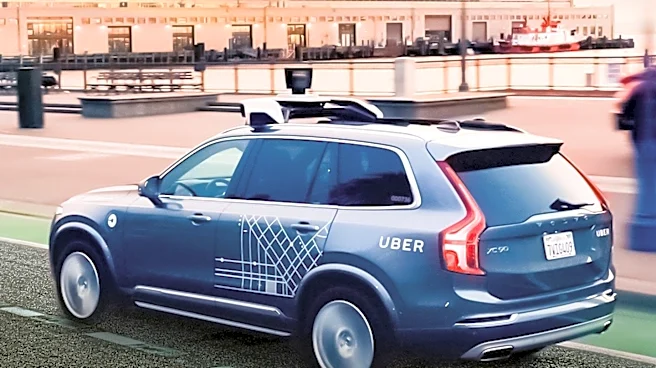
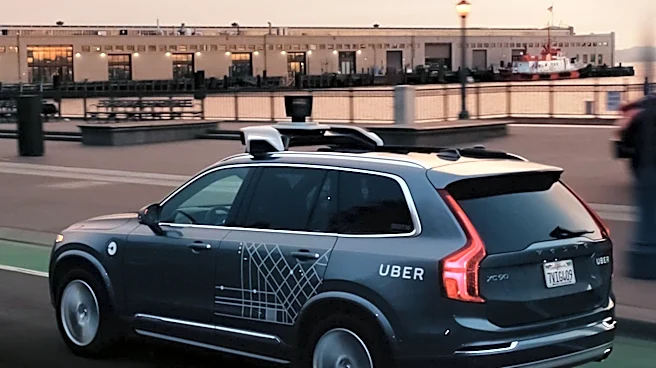
Uber and Nuro have commenced fully driverless public-road testing of Lucid Gravity SUVs in the San Francisco Bay Area. This development marks a significant step towards their goal of launching a commercial robotaxi service in the first quarter of 2027.
The companies announced this milestone on November 24, following nearly a year of supervised road testing. California’s Department of Motor Vehicles granted Nuro a driverless autonomous-vehicle testing permit in May 2026, and more than six months passed before these tests began without a human safety driver. The Lucid Gravity robotaxi, unveiled in January 2026, integrates Lucid’s electric SUV with Nuro’s autonomous-driving technology, featuring high-resolution cameras, solid-state lidar sensors, and radar for environmental perception. While driverless testing is underway in the Bay Area, testing in Houston continues with human safety operators. Nuro is also utilizing closed-course tests and simulations to further validate its self-driving system.
Why It's Important?
This driverless testing phase is crucial for the advancement of autonomous vehicle technology and its integration into mainstream transportation services in the U.S. The collaboration between Uber, Nuro, and Lucid brings together expertise in ride-sharing, autonomous driving, and electric vehicle manufacturing, potentially accelerating the deployment of robotaxis. Successful deployment could transform urban mobility by offering new transportation options, potentially reducing traffic congestion, and improving road safety in the long term. For the automotive industry, it signifies a move towards mass production of purpose-built autonomous vehicles, with Lucid beginning production of robotaxi versions of the Gravity at its Arizona factory. The partnership also highlights the increasing competition in the autonomous vehicle sector, with companies vying to be the first to offer scalable and reliable driverless services to the public.
What's Next?
The immediate next step for Uber and Nuro is to transition from public-road testing to employee rides, which will serve as an internal validation phase before a broader commercial launch. The companies are targeting the first quarter of 2027 for the commencement of their commercial robotaxi service. In parallel, Lucid will continue to scale up production of the Gravity robotaxis at its Arizona facility to support the growing fleet. Uber has a long-term commitment to purchase at least 20,000 Lucid Gravity SUVs over six years, indicating a significant planned expansion of the service. Regulatory bodies will closely monitor the safety and performance of these driverless vehicles, and public acceptance will be a key factor in the widespread adoption of robotaxi services.
Beyond the Headlines
The expansion of driverless robotaxi testing raises broader questions about the future of work, particularly for professional drivers, and the ethical implications of autonomous decision-making in complex traffic scenarios. As these vehicles become more prevalent, there will be increased scrutiny on liability in the event of accidents and the robustness of their AI systems in handling unforeseen circumstances. The data collected during these extensive testing phases will be invaluable for refining autonomous driving algorithms and ensuring public safety. Furthermore, the success of such partnerships could influence urban planning, infrastructure development, and energy consumption patterns, as electric, autonomous fleets become a more common mode of transport. The shift towards driverless technology also presents opportunities for new business models and services built around autonomous mobility.