






What's Happening?
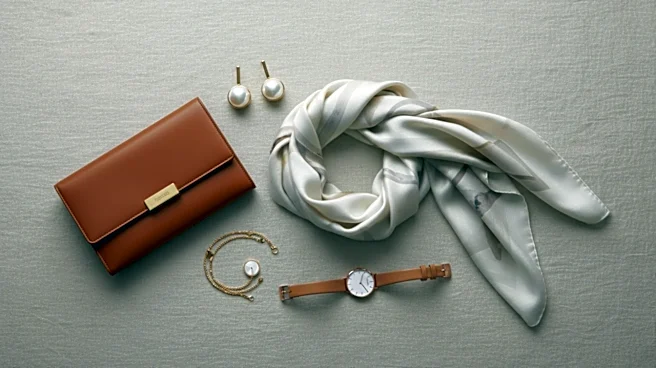
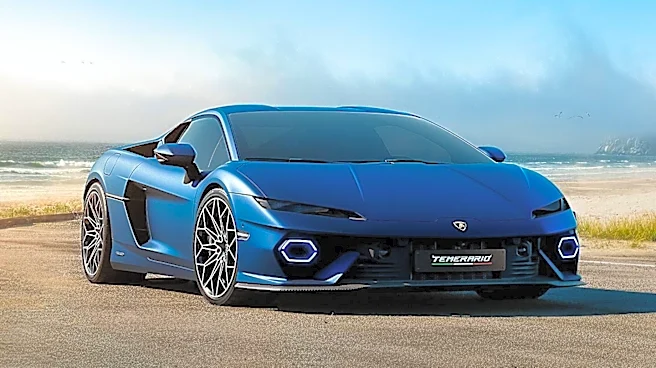
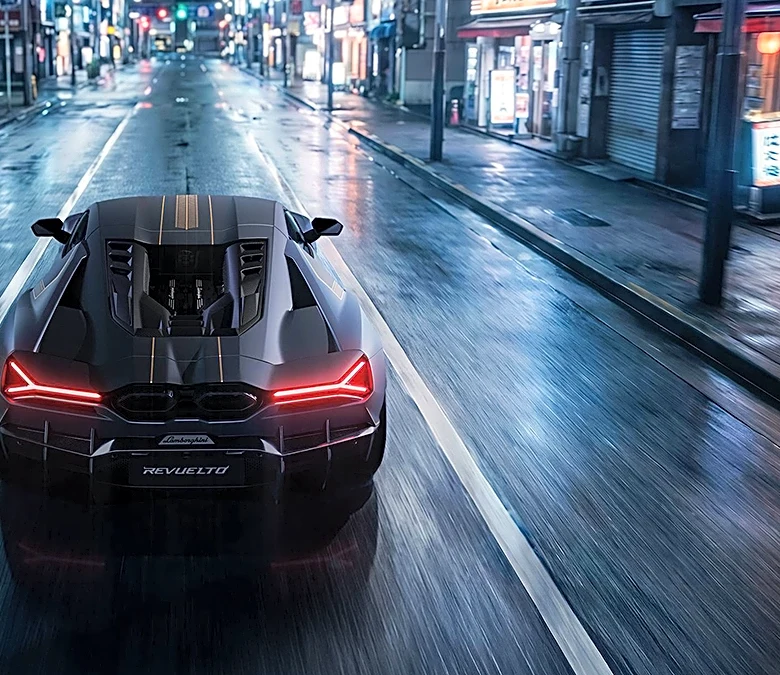
Lamborghini has introduced a new pair of bespoke models, the Temerario Ad Personam twins, which draw inspiration from the world of high fashion. These models were developed in collaboration with Lamborghini's Ad Personam customization department, resulting
in vehicles that resemble rolling design sketches. The exterior of the Temerario twins features sculpting lines that highlight the craftsmanship of each body panel. One model combines Grigio Crater Matt paint with Grigio Artis accents, while the other pairs Celeste Fedra paint with Bianco Phanes accents. The interiors are equally customized, featuring 'Gessato' pinstriping inserts and, for the first time, the use of wool in Lamborghini's cars. The powertrain remains the stock twin-turbocharged 4.0-liter V-8, producing 907 horsepower.
Why It's Important?
This development highlights Lamborghini's commitment to blending automotive engineering with high fashion, appealing to a niche market that values both performance and style. By collaborating with the Ad Personam department, Lamborghini is able to offer a unique product that stands out in the luxury car market. This move could potentially attract fashion-conscious consumers who appreciate bespoke design elements. Additionally, the use of new materials like wool in the car's interior signifies a shift towards more innovative and luxurious customization options, setting a precedent for future luxury vehicles.
What's Next?
Lamborghini's introduction of the Temerario Ad Personam models may influence other luxury car manufacturers to explore similar collaborations with fashion designers, potentially leading to a trend of high-fashion-inspired vehicles. The success of these models could encourage Lamborghini to expand its Ad Personam offerings, providing more customization options to meet diverse consumer preferences. Additionally, the automotive industry may see an increased focus on integrating unique materials and design elements that cater to the luxury market's evolving tastes.
Beyond the Headlines
The integration of high fashion into automotive design raises questions about the future of luxury car customization. As manufacturers explore new materials and design influences, there may be ethical considerations regarding the sourcing and sustainability of these materials. Furthermore, the emphasis on bespoke design could lead to a more personalized consumer experience, challenging traditional notions of mass production in the automotive industry. This trend may also impact the resale value of such highly customized vehicles, as their unique features could either enhance or limit their appeal in the secondary market.