




What's Happening?
Albuquerque, New Mexico's largest city, offers a wide array of cultural and natural attractions, drawing from its deep history of native peoples and Spanish colonial influence. The city, also known as 'The Duke City,' maintains a vibrant Spanish culture,
notably through its Flamenco dance scene, with Festival Flamenco Alburquerque being the largest celebration of the art form outside of Spain. Year-round, Casa Flamenco, run by Executive & Artistic Director Carmen Montes, hosts flamenco artists from Spain in an intimate setting. Old Town Albuquerque, the original Spanish colonial city, features the historic San Felipe de Neri church and a lively plaza where Native American artisans sell handcrafted jewelry. The Albuquerque Museum provides an interactive journey through the city's past, from indigenous peoples to Spanish conquests and the impact of Route 66, showcasing an impressive art collection including works by Georgia O'Keeffe and Andy Warhol. The ABQ BioPark combines a zoo, botanic garden, aquarium, and Tingley Beach, offering diverse experiences for visitors.
Why It's Important?
Albuquerque's commitment to preserving and showcasing its unique cultural heritage is vital for both local identity and tourism. The city's blend of Native American and Spanish influences, evident in its architecture, traditions, and arts like Flamenco, provides a distinct cultural experience that differentiates it from other U.S. cities. Attractions like Casa Flamenco and the Albuquerque Museum not only entertain but also educate visitors on the historical and artistic evolution of the region. The ABQ BioPark's comprehensive offerings contribute significantly to the city's appeal as a family-friendly destination, boosting local businesses and the hospitality sector. The emphasis on local cuisine, with establishments like Frontier Restaurant and Old Town Café, further enhances the visitor experience, promoting culinary tourism and supporting local food producers. This rich tapestry of cultural, historical, and recreational opportunities positions Albuquerque as a significant cultural hub in the Southwest, attracting diverse visitors and contributing to the local economy.
What's Next?
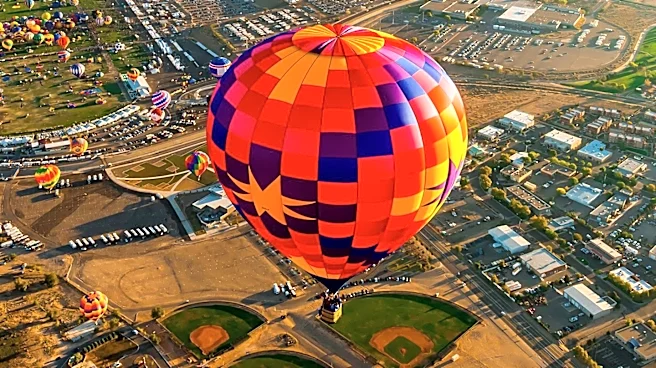
Albuquerque is expected to continue leveraging its unique attractions to draw tourists and cultural enthusiasts. The annual Balloon Fiesta and Balloon Museum, though only briefly mentioned, are major international draws that will likely remain central to the city's tourism strategy. Ongoing efforts by organizations like Casa Flamenco to host international artists suggest a continued focus on cultural exchange and artistic development. The city's various museums and historical sites will likely continue to update exhibits and programs to engage new audiences and provide fresh perspectives on its rich history. Furthermore, the promotion of local culinary experiences and scenic drives like the Turquoise Trail indicates a sustained effort to offer diverse activities that cater to different visitor interests. These initiatives aim to maintain Albuquerque's status as a dynamic destination, fostering economic growth through tourism and cultural preservation.
Beyond the Headlines
Beyond the immediate attractions, Albuquerque's dedication to its cultural roots highlights a broader trend in U.S. cities to embrace and promote their unique heritage as a cornerstone of identity and economic development. The city's ability to integrate its Spanish colonial past with its Native American legacy, while also acknowledging modern influences like Route 66, creates a compelling narrative of cultural fusion. This approach not only enriches the lives of its residents but also offers a powerful counter-narrative to homogenized urban experiences. The emphasis on authentic, locally run establishments, from Casa Flamenco to various eateries, underscores a commitment to community and genuine cultural immersion, rather than purely commercialized tourism. This model of cultural preservation and promotion can serve as an example for other cities seeking to balance growth with the maintenance of their distinct historical and artistic legacies.