








What's Happening?
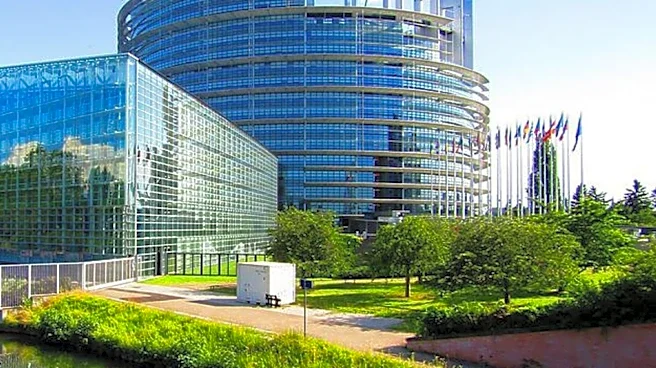
The European Union Deforestation Regulation (EUDR) is scheduled to take effect on December 30, 2026, after being delayed twice. This regulation aims to ensure that key goods placed on the EU market do not contribute to deforestation and forest degradation.
The EUDR covers commodities such as cocoa, soy, palm oil, and coffee, which are significant in the food sector. The regulation is part of broader environmental, social, and governance (ESG) initiatives that food and drink firms are engaging in to address sustainability issues. The European Commission has introduced simplification measures to reduce compliance costs, estimating a reduction from €8.1 billion to €2.0 billion annually. Despite the costs, many manufacturers view these expenditures as long-term investments in sustainability and business resilience.
Why It's Important?
The implementation of the EUDR represents a significant shift in how food companies manage their supply chains, emphasizing sustainability and traceability. This regulation could potentially become one of the industry's largest cost centers, surpassing traditional expenses like health and safety. However, it also offers opportunities for better risk management and stronger supplier relationships. By improving traceability and compliance, companies can enhance their operational resilience and maintain access to the European market. The regulation also aligns with global efforts to combat climate change and biodiversity loss, making it a critical component of corporate sustainability strategies.
What's Next?
As the EUDR comes into force, food companies will need to navigate complex supply chains and ensure compliance with the new requirements. This involves investing in traceability systems and engaging with suppliers to meet the regulation's standards. The European Commission's guidance and FAQs aim to provide clarity, but consistent implementation across EU member states is crucial. Companies must also address challenges such as securing reliable data and ensuring that smallholder farmers are not excluded from the supply chain. Collaboration with governments and producer countries will be essential to support these efforts and achieve sustainable supply chain management.
Beyond the Headlines
The EUDR's focus on traceability and sustainability could lead to a transformation in how food companies operate, with long-term benefits for both the environment and business resilience. By investing in sustainable practices, companies can build more transparent and reliable supply chains, reducing the risk of disruptions and enhancing their reputation among consumers. This shift also highlights the growing importance of ESG factors in corporate decision-making, as businesses increasingly recognize the need to address environmental and social challenges to ensure their long-term viability.