








What's Happening?
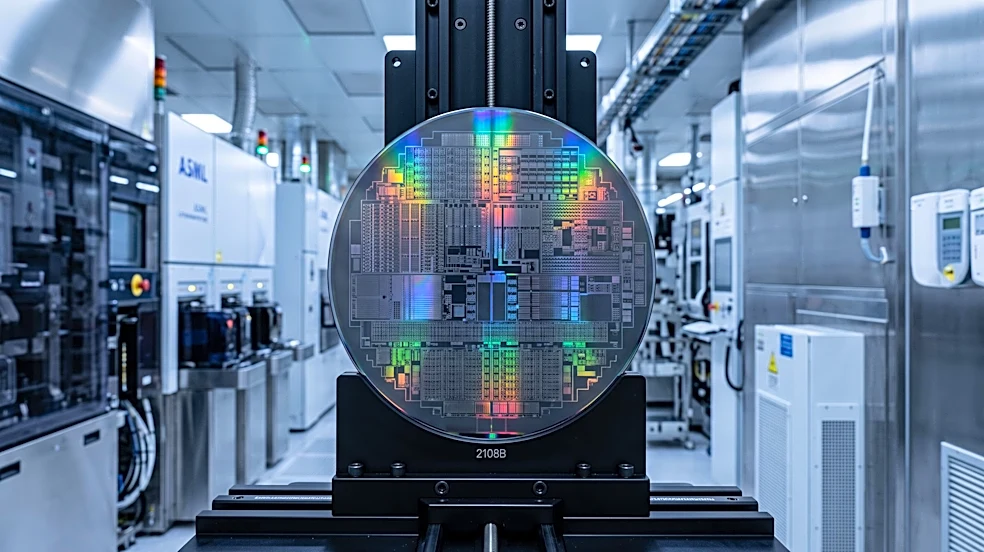
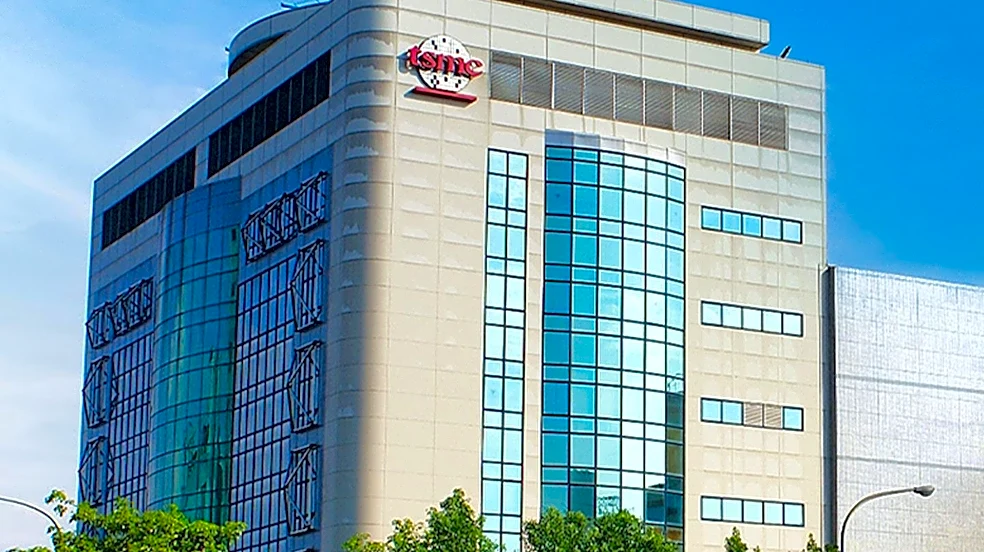
Taiwan is reportedly planning to establish a $4 billion industrial complex in Texas. This initiative aims to support major semiconductor companies like Nvidia and Taiwan Semiconductor Manufacturing (TSMC), as well as other critical AI hardware suppliers,
as more semiconductor production shifts to the U.S. The proposed complex is intended to facilitate smaller Taiwanese suppliers, essential to Nvidia's production ecosystem and AI server assemblers such as Foxconn, in establishing operations within the United States. This move is part of a broader strategy to build a more comprehensive AI and semiconductor supply chain in the U.S., reducing reliance on manufacturing concentrated in Asia. Concurrently, Taiwan plans to tighten export restrictions on AI servers and advanced semiconductors to China, aligning with U.S. controls to limit the flow of cutting-edge AI hardware to the region. This alignment could make shipping restricted AI products to China a criminal offense under Taiwan's Foreign Trade Act. Taiwanese companies are expected to invest an additional $20 billion in the U.S., separate from TSMC's existing $265 billion commitment in Arizona.
Why It's Important?
This development is significant for the U.S. semiconductor industry and national security. By attracting Taiwanese suppliers to Texas, the U.S. aims to reduce logistical friction and strengthen its domestic AI hardware ecosystem, thereby decreasing its dependence on Asian manufacturing hubs. This aligns with the objectives of the CHIPS and Science Act (2022), which seeks to boost domestic semiconductor manufacturing and secure supply chains. The increased domestic production capacity could enhance the resilience of the U.S. technology sector against geopolitical disruptions. For companies like Nvidia and TSMC, a more localized supply chain in the U.S. could offer greater stability and control over production. However, the tightening of export controls by Taiwan on AI hardware to China introduces a new layer of risk for semiconductor companies, as they must navigate increasingly restrictive policies that could impact revenue and market access. The success of this strategy hinges on whether stronger U.S. manufacturing can offset the constraints imposed by these policies.
What's Next?
The immediate next steps involve identifying which specific suppliers will commit to the Texas complex and how quickly the project will be financed. Investors will be closely watching the scope of Taiwan's final export controls and any potential acceleration of domestic chip substitution by China in response to these restrictions. The establishment of this complex will likely lead to increased job creation and technological advancements in Texas and other U.S. states. Furthermore, the U.S. government and industry stakeholders will need to continue fostering an environment conducive to semiconductor manufacturing and innovation to ensure the long-term success of these initiatives. The collaboration between the U.S. and Taiwan in this sector is expected to deepen, potentially leading to further joint ventures and technological exchanges aimed at securing a robust and diversified global semiconductor supply chain.
Beyond the Headlines
Beyond the immediate economic and strategic implications, this move highlights a broader geopolitical shift towards de-risking supply chains and fostering technological self-sufficiency among allied nations. The emphasis on domestic manufacturing and the restriction of advanced technology exports to certain regions underscore a growing trend of technology nationalism. This could lead to a more fragmented global technology landscape, with distinct supply chains emerging for different geopolitical blocs. The ethical dimension of restricting technology access, particularly for AI, also comes into play, raising questions about global technological equity and the potential for a widening digital divide. Culturally, the influx of Taiwanese companies and professionals could foster greater cross-cultural collaboration and knowledge transfer, enriching the U.S. tech ecosystem. In the long term, this could reshape global trade relationships and accelerate innovation in critical technologies, but also potentially increase international tensions.