


What's Happening?
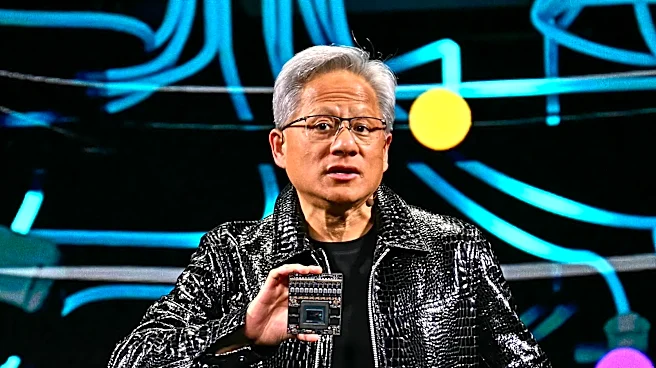
Former Nvidia CEO Jensen Huang resigned on November 12 following allegations of multiple extramarital affairs, including one with a woman suspected of being a Chinese spy. This individual, Alice Huang (no relation), is also accused of establishing a network
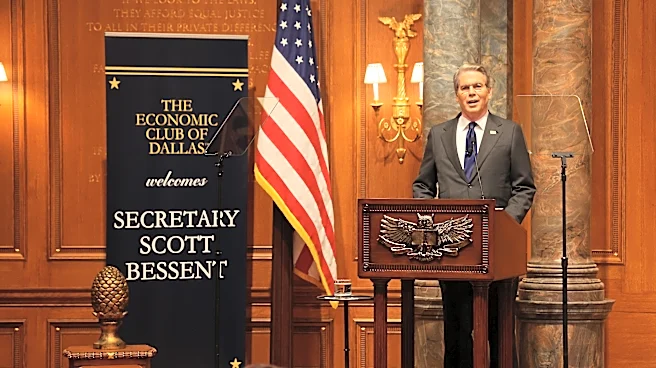
to illegally divert Nvidia chips to Chinese companies, circumventing export restrictions. Nvidia's board has initiated an independent investigation into these claims, and regulators are scrutinizing MegaSpeed, a Singaporean data center company central to the allegations. Jensen Huang is scheduled to testify before Congress. Initially, U.S. Treasury Secretary Scott Bessent suggested Nvidia should seek an external candidate for CEO, advocating for a "dramatic shake-up." However, in a recent interview on CBS' Face the Nation on November 22, Bessent's comments indicated a potential shift, seemingly leaving open the possibility for Huang's return to the CEO position. This change in sentiment has coincided with President Trump's public support for Huang and his call for Nvidia's board to reinstate him.
Why It's Important?
This situation carries significant implications for U.S. national security, economic policy, and corporate governance. The allegations of illegal chip diversion to China directly challenge U.S. export controls designed to protect technological advantages and prevent sensitive technology from reaching adversaries. If proven, such actions could lead to severe penalties for Nvidia and potentially impact the broader U.S. semiconductor industry's ability to operate globally. The involvement of a suspected Chinese spy raises concerns about corporate espionage and foreign influence within critical U.S. technology companies. Treasury Secretary Bessent's evolving stance on Huang's leadership could influence investor confidence in Nvidia, a key player in the artificial intelligence sector, and set a precedent for how the U.S. government addresses corporate misconduct intertwined with national security interests. The outcome of the investigations and Huang's congressional testimony will be closely watched by both the business community and policymakers.
What's Next?
Jensen Huang is slated to testify before Congress, which will likely bring more details to light regarding the allegations and Nvidia's compliance with export controls. Nvidia's board is conducting an independent investigation, and its findings will be crucial in determining the company's future leadership and potential liabilities. The U.S. Treasury Department had previously demanded answers from Nvidia by November 25 regarding whether it used shell companies to evade export controls; as of November 22, these answers had not yet been received. The ongoing investigations by the SEC and DOJ could result in legal actions against individuals or the company. The increasing odds of Huang's return on prediction markets, coupled with President Trump's support, suggest continued public and political debate surrounding his future at Nvidia. The resolution of these issues will significantly impact Nvidia's operational strategies, its standing in the global technology market, and its relationship with U.S. regulatory bodies.
Beyond the Headlines
The allegations against Jensen Huang and Nvidia highlight the complex interplay between corporate leadership, national security, and international relations in the age of advanced technology. The potential for a high-profile CEO to be implicated in activities that could compromise national security underscores the vulnerabilities faced by U.S. tech giants. This case could prompt a re-evaluation of corporate oversight mechanisms, particularly concerning executive conduct and adherence to export regulations in sensitive sectors like AI. It also brings to the forefront the ethical dilemmas faced by companies operating in a globalized world where geopolitical tensions are rising. The incident may lead to stricter enforcement of export controls and increased scrutiny of foreign influence within U.S. corporations, potentially reshaping how American technology companies engage with international markets, especially those with strategic competitors like China. The broader implications extend to the perception of corporate integrity and the trust placed in leaders of critical industries.