






What's Happening?
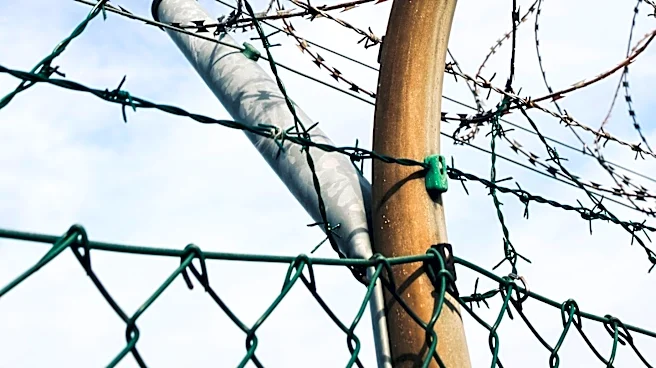
Homeowners in the Cypress Mill community near Tampa, Florida, are being ordered to remove backyard fences that were previously approved by their Homeowners Association (HOA). The Cypress Mill Community Development District (CDD), a special-purpose local
government responsible for infrastructure like drainage systems, has determined that these fences encroach upon drainage easements, hindering maintenance of stormwater infrastructure. Laura Burns-Sierra, who had her fence professionally installed after receiving written HOA approval in 2021, received notice in September 2026 that her fence, along with others, had to be removed. This conflict arises from a distinction between HOA rules, which govern community standards, and CDD regulations, which manage essential infrastructure, often overlapping on homeowners' properties.
Why It's Important?
This situation highlights a critical and often misunderstood distinction between the authority of HOAs and CDDs, which can lead to significant financial burdens and legal complexities for homeowners. While HOAs typically manage aesthetic and community standards, CDDs are responsible for vital infrastructure, and their requirements often supersede HOA approvals, especially concerning easements. This dispute underscores the need for homeowners to thoroughly investigate all governing bodies and their respective regulations before undertaking property improvements. The lack of coordination between the HOA and CDD in Cypress Mill has left residents in a difficult position, facing unexpected costs for fence removal or relocation, and raises questions about liability and homeowner protection when multiple entities have jurisdiction over property.
What's Next?
The Cypress Mill CDD is requiring affected homeowners to cover the costs of removing or relocating their fences, although extensions have been granted to those who requested more time. The CDD plans to work with the HOA to clarify approval requirements moving forward to prevent similar issues. For current homeowners, the immediate next step is to comply with the CDD's demands or face potential legal action. This incident will likely prompt increased scrutiny from homebuyers and real estate professionals regarding property easements and the overlapping authorities of HOAs and CDDs in Florida and other states with similar governance structures. Homeowners contemplating exterior renovations will need to conduct more extensive due diligence beyond just HOA approval.
Beyond the Headlines
This dispute reveals a deeper systemic issue in planned communities where multiple governing bodies operate with distinct but sometimes overlapping jurisdictions. The confusion between HOA and CDD responsibilities can create a regulatory labyrinth for homeowners, who often assume HOA approval is sufficient. This case could serve as a cautionary tale, prompting a re-evaluation of communication protocols and legal frameworks between such entities to ensure clarity for residents. It also raises ethical questions about who bears ultimate responsibility when an approved project later violates another governing body's rules, especially when homeowners have diligently followed one set of procedures. The long-term implication could be a push for more integrated approval processes or clearer disclosure requirements for homebuyers regarding all entities with authority over their property.