






What's Happening?
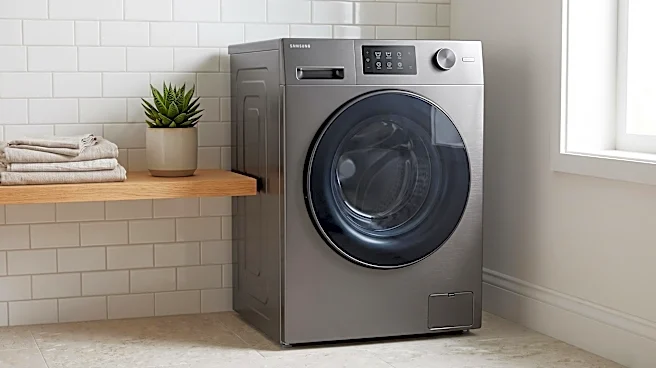
Property managers are grappling with the decision of whether to own appliances, specifically washers, for their rental properties or to allow residents to rent them from third-party providers. A 2026 Apartments.com survey indicated that an in-unit washer and
dryer are among the top two must-have amenities for over 14,000 U.S. renters. However, nearly half of apartment renters do not have a washer at home, according to the U.S. Energy Information Administration’s 2024 Residential Energy Consumption Survey. Owning appliances means property managers handle all repairs, replacements, and after-hours calls, which can divert maintenance teams from more pressing tasks. Conversely, allowing residents to rent from a provider shifts maintenance responsibilities, though the provider's service still reflects on the property's reputation. The 2022 NMHC and Grace Hill Renter Preferences Survey suggests tenants would pay approximately $55 more per month for an in-unit washer and dryer, but this figure needs to account for repair and staff time costs.
Why It's Important?
This decision significantly impacts both property managers' operational efficiency and residents' satisfaction. For property managers, owning appliances can lead to increased maintenance costs, staff time allocation issues, and potential negative reviews if repairs are slow. However, it also allows them to include the cost in rent, potentially increasing revenue. Outsourcing appliance provision to rental companies can reduce the burden on maintenance teams and improve resident satisfaction by offering a service without credit checks or deposits. This approach can also generate ancillary revenue for properties. The availability of in-unit laundry is a critical factor for renters, influencing their decision to lease or renew. Therefore, how properties address this amenity directly affects their competitiveness in the rental market and their ability to attract and retain tenants. The choice between ownership and third-party rental also has financial implications, as property managers must weigh the upfront costs and ongoing maintenance of owned appliances against potential revenue sharing and reduced operational overhead from rental partnerships.
What's Next?
Property managers will need to carefully evaluate their current operational capabilities and tenant demands to determine the best approach for appliance provision. This involves assessing the number of units with hookups but no machines, the capacity of their maintenance teams to handle additional appliance calls, and the offerings of competing properties. If opting for third-party rental providers, property managers should thoroughly vet vendors by asking critical questions about repair response times, billing procedures, and move-out policies, ensuring all terms are in writing. This due diligence is crucial to protect the property's reputation and minimize future involvement in appliance-related issues. The trend of renters prioritizing in-unit laundry suggests that properties that effectively provide this amenity, whether through ownership or rental partnerships, will likely gain a competitive advantage in the U.S. rental market.
Beyond the Headlines
The debate over appliance ownership in rental properties highlights a broader shift in tenant expectations and the evolving landscape of property management. Modern renters increasingly view in-unit amenities, such as laundry facilities, as essential rather than luxury. This trend pushes property managers to adapt their business models, moving beyond basic housing provision to offering comprehensive lifestyle services. The rise of third-party appliance rental services also points to a growing 'as-a-service' economy, where consumers and businesses prefer flexible, maintenance-free solutions over outright ownership. This shift could lead to more specialized partnerships between property management companies and service providers, creating new revenue streams and operational efficiencies. Ultimately, the decision reflects a strategic choice between direct control and delegated responsibility, with significant implications for customer experience, brand reputation, and long-term profitability in the competitive U.S. real estate sector.