
What's Happening?
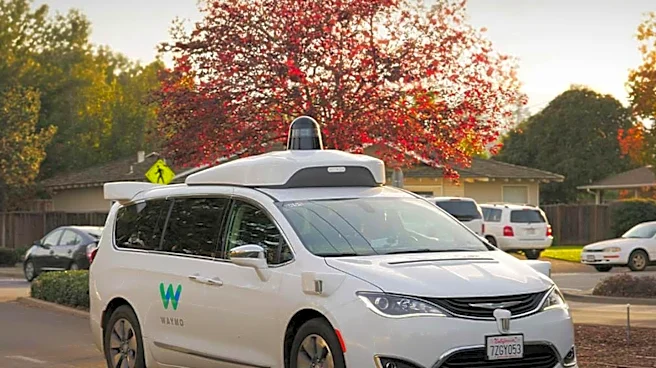
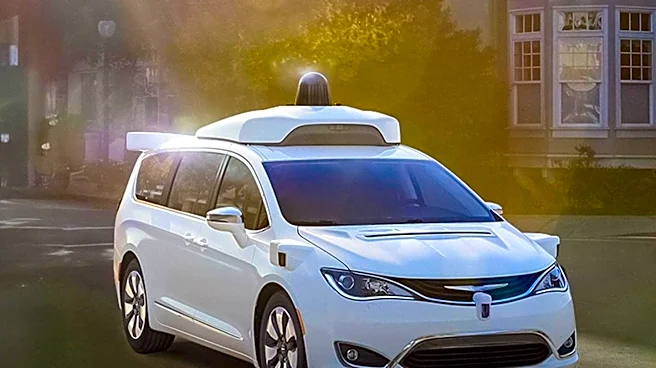
Despite Waymo's autonomous vehicles demonstrating a strong safety record, skepticism remains among some groups. A column in the Los Angeles Times discusses the scrutiny of Waymo's safety performance, which
shows significantly lower rates of property damage and bodily injury compared to human-driven cars. The article highlights the potential of autonomous vehicles to save lives and reduce harm, yet acknowledges the public's lingering discomfort with the technology. Concerns about job losses in the transportation sector and the role of unions in opposing rapid deployment of autonomous vehicles are also discussed.
Why It's Important?
The debate over autonomous vehicles touches on broader issues of technological advancement, public safety, and economic impact. While the safety benefits of self-driving cars are evident, the transition to autonomous vehicles could disrupt the job market, particularly for those employed in driving professions. This raises questions about how to balance technological progress with economic security for workers. The discussion also highlights the need for public trust and acceptance of new technologies, which is crucial for their successful integration into society.
Beyond the Headlines
The resistance to autonomous vehicles underscores the complex relationship between technology and labor. As automation continues to evolve, industries must adapt to changing job roles and skill requirements. This situation presents an opportunity for unions and policymakers to focus on retraining and upskilling workers to meet the demands of a technology-driven economy. Additionally, the ethical considerations of deploying autonomous vehicles, such as decision-making in critical situations, remain a topic of ongoing discussion.