







What's Happening?
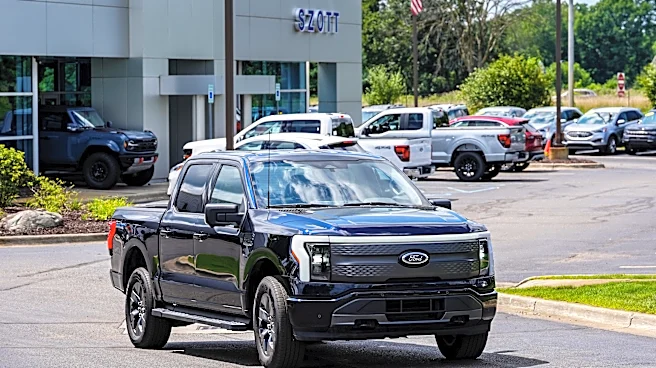
Stellantis is reportedly exploring the possibility of relocating the production of its heavy-duty pickup trucks from Saltillo, Mexico, to Warren, Michigan. Automotive News has indicated that the company has initiated inquiries with suppliers to ascertain
the costs associated with such a move. The Warren truck plant, historically a significant part of the 'Dodge City' truck-building complex, currently produces Wagoneers and previously manufactured the Ram 1500 Classic. This facility possesses considerable unused capacity, although it would necessitate substantial upgrades to meet the high standards required for heavy-duty pickup production. A Stellantis spokesman declined to comment on the report, characterizing it as 'speculation,' noting that companies frequently conduct cost studies without immediate plans for action. The potential relocation comes amidst ongoing negotiations between the United States and Mexico, and concerns about future tariffs on goods covered by the USMCA treaty, which could impact vehicles imported from Mexico.
Why It's Important?
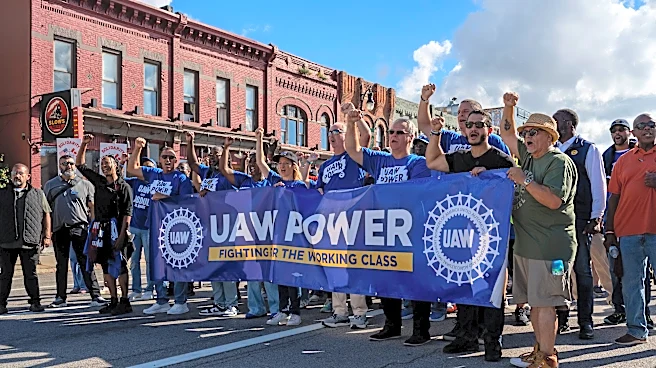
This potential move by Stellantis carries significant implications for the U.S. automotive industry, particularly for Michigan's manufacturing sector and the broader American workforce. Relocating heavy-duty pickup production to Warren would represent a substantial investment in U.S. manufacturing, potentially creating numerous jobs and bolstering the local economy in Warren. While wages are higher in the U.S. compared to Mexico, labor costs constitute a smaller portion of overall truck production expenses than in the past. The United Auto Workers (UAW) might be willing to make concessions to facilitate the return of these jobs to Warren, further highlighting the economic and political stakes involved. Furthermore, producing these trucks in Michigan could mitigate risks associated with international trade policies, such as potential tariffs on Mexican-made vehicles, which could reach up to 50% with little warning. This strategic shift could enhance supply chain stability and reduce transportation costs for many parts, given that the heavy-duty pickups utilize American-made Cummins engines and a special 6.4-liter V8 gasoline engine.
What's Next?
Stellantis will continue its internal cost analysis and feasibility studies regarding the relocation of heavy-duty pickup production. This process will involve detailed assessments of plant upgrades, labor negotiations with the UAW, and a comprehensive evaluation of the economic and logistical advantages of manufacturing in Warren versus Saltillo. The outcome of ongoing trade negotiations between the U.S. and Mexico will also be a critical factor influencing the final decision, as potential tariffs could significantly alter the financial viability of current production locations. Stakeholders, including local government officials in Warren, labor unions, and suppliers, will closely monitor Stellantis's deliberations. Any decision to move production would likely involve substantial capital expenditure and a multi-year transition period, impacting both the company's operational footprint and the economic landscape of the affected regions. The company's official stance remains that such discussions are speculative, indicating that a definitive announcement may not be imminent.
Beyond the Headlines
The potential relocation of Stellantis's heavy-duty pickup production transcends mere economic considerations, touching upon themes of national industrial policy, labor relations, and geopolitical risk management. This move could symbolize a broader trend of 'reshoring' manufacturing jobs to the U.S., driven by a desire for greater supply chain resilience and reduced exposure to international trade uncertainties. It also highlights the evolving relationship between multinational corporations and national governments, where political stability and trade agreements increasingly influence manufacturing decisions. For the UAW, securing these jobs in Warren would be a significant victory, reinforcing its role in advocating for American manufacturing employment. Moreover, the decision reflects a strategic calculation by Stellantis to balance labor costs against the benefits of domestic production, including potential government incentives and a more stable regulatory environment. This shift could set a precedent for other automotive manufacturers, encouraging a re-evaluation of their global production strategies in response to a changing geopolitical and economic landscape.