



What's Happening?
During the Thanksgiving holiday period, the technology and artificial intelligence (AI) sectors experienced a relatively quiet news cycle, though underlying concerns and debates persisted. An investigation into OpenEvidence was featured, alongside a significant
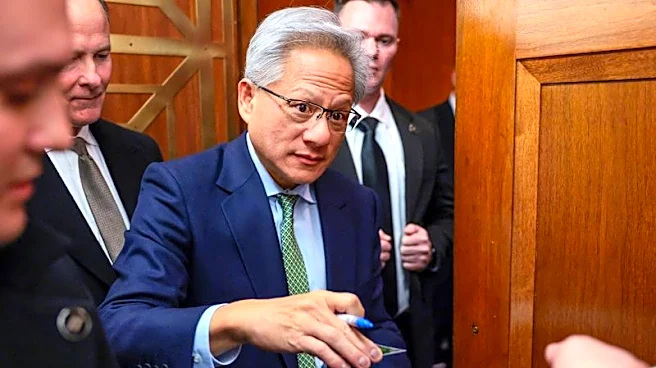
discussion regarding the 'reveal' of employee panic within major AI companies like Anthropic and OpenAI concerning potentially uncontrollable AI agents. This debate questions the reality versus the misleading nature of such panic. Other notable, though less impactful, news included DocGo selling a portion of its assets to generate cash for a new acquisition, and Jensen Huang, CEO of Nvidia, returning to his desk after a brief vacation. The HLTH conference concluded without any major corporate announcements, indicating a period of relative calm before potential future developments.
Why It's Important?
The ongoing debate about 'AI employee panic' is crucial for the U.S. technology landscape, as it touches upon the ethical and safety implications of rapidly advancing AI. If concerns about uncontrollable AI agents are widespread and legitimate, it could lead to increased regulatory scrutiny, calls for more robust safety protocols, and potentially impact investment in certain AI research areas. For companies like Anthropic and OpenAI, managing public perception and internal anxieties around AI's capabilities is vital for maintaining trust and attracting talent. The quiet period in corporate announcements, despite the underlying discussions, suggests a moment of reflection or strategic planning within the industry, which could precede significant shifts in policy, product development, or market consolidation. DocGo's asset sale highlights the dynamic nature of the health tech market, where companies are constantly adjusting portfolios to fund growth and adapt to market conditions.
What's Next?
Following the Thanksgiving period, the discussions surrounding AI safety and employee concerns are likely to continue, potentially leading to more in-depth investigations or public statements from AI companies. The return of key figures like Jensen Huang to Nvidia suggests a resumption of normal business operations, with potential announcements or strategic moves on the horizon. The quiet HLTH conference might indicate that major industry players are holding back significant news for future, more impactful events. The ongoing evolution of AI technology and its societal implications will likely remain a central theme, prompting continued debate among experts, policymakers, and the public. Future congressional hearings or industry forums could address the ethical and practical challenges posed by advanced AI systems, influencing future regulations and corporate strategies.
Beyond the Headlines
The 'AI employee panic' debate delves into profound questions about human control over advanced artificial intelligence and the potential for unintended consequences. This goes beyond mere technological development, touching on philosophical and existential concerns about the future of work, human agency, and the very definition of intelligence. The industry's response to these internal anxieties will shape not only the trajectory of AI development but also public trust and acceptance of these technologies. Furthermore, the strategic moves by companies like DocGo, even during a quiet news period, underscore the relentless pace of innovation and consolidation in the health tech sector. This constant evolution raises questions about market dominance, access to healthcare technology, and the potential for smaller innovators to compete against established giants, impacting the broader U.S. economy and healthcare system.