
What's Happening?
U.S. businesses are grappling with ongoing global supply chain disruptions, which have become a regular and structural feature of the business environment. These disruptions stem from a confluence of factors
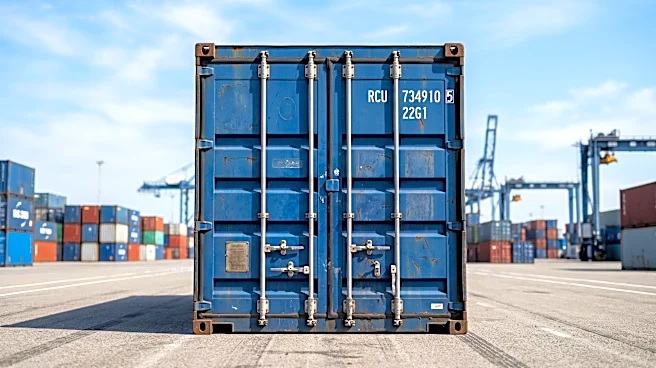
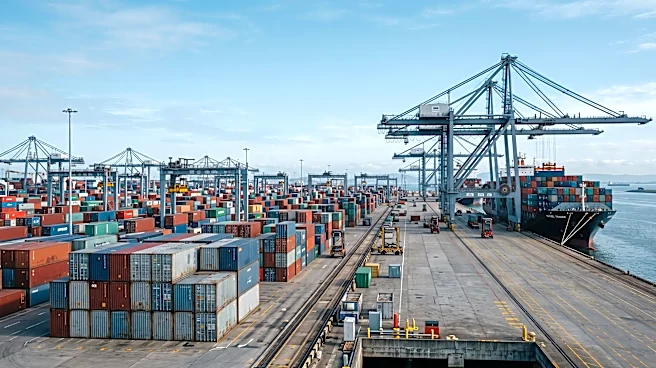
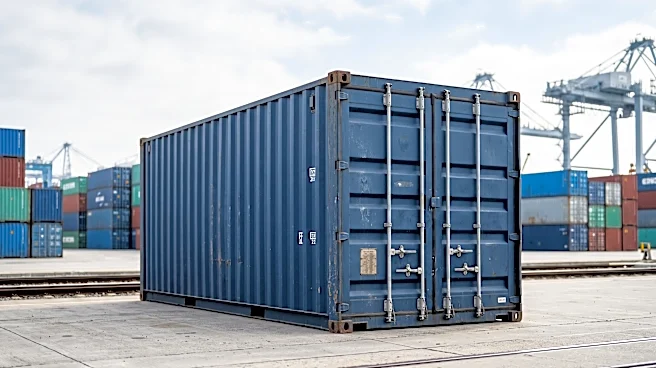
including geopolitical tensions, trade policies, tariffs, sanctions, conflicts, natural catastrophes, public health emergencies, and logistical constraints such as port congestion and container unavailability. Historically, supply chains prioritized lowest cost, leading companies to source from the cheapest locations and maintain lean inventories. However, this approach has proven unreliable amidst recent global events. The current landscape forces companies to reconsider their manufacturing and sourcing strategies, with discussions around nearshoring (moving production closer to home markets), reshoring (bringing activity back to the home country), friend-shoring (sourcing from politically aligned partners), and regionalizing supply networks. This shift indicates that the era of cheap supply chains is over, with businesses now focusing on resilience and agility alongside cost control.
Why It's Important?
The persistence of global supply chain disruptions has significant implications for U.S. industries and the broader economy. Companies are experiencing increased costs, reduced reliability, and heightened risk exposure, impacting revenue, customer loyalty, and profit margins. The shift away from purely cost-driven supply chains towards resilience-focused models means higher operational expenses, as businesses invest in additional inventory, relocated capacity, and financing for new suppliers. This strategic re-evaluation affects various sectors, from manufacturing to retail, as companies seek to mitigate risks associated with single suppliers, specific regions, or transport routes. The need for greater supply chain resilience is driving changes in investment decisions, product portfolios, and risk management practices, ultimately influencing consumer prices and the competitiveness of U.S. businesses in the global market. The emphasis on diversification and localized production could lead to a restructuring of global trade patterns and a more robust, albeit potentially more expensive, domestic supply infrastructure.
What's Next?
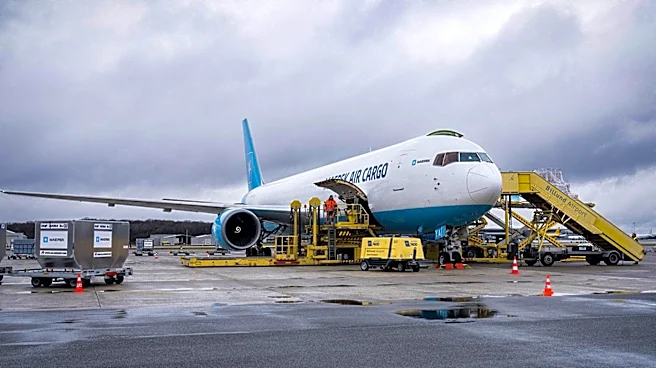
In response to these ongoing disruptions, U.S. businesses are expected to continue implementing strategies aimed at enhancing supply chain resilience. This includes diversifying supplier bases, increasing inventory buffers for critical items, and investing in flexible production capacities and alternative logistics routes. Companies will likely prioritize end-to-end visibility through technology and data analytics to better anticipate and respond to potential disruptions. Furthermore, there will be a continued focus on scenario planning and stress-testing supply networks to identify vulnerabilities. The long-term trend suggests a move towards more regionalized and localized supply chains, which, while potentially increasing costs, aims to reduce exposure to geopolitical and climate-related risks. This strategic evolution will require significant investment in infrastructure, technology, and skilled labor, and will likely reshape global trade dynamics for years to come.
Beyond the Headlines
The shift in supply chain strategy extends beyond immediate operational adjustments, touching upon deeper ethical, legal, and cultural dimensions. The move towards friend-shoring, for instance, highlights the increasing intertwining of geopolitical alliances with economic decisions, potentially leading to a more fragmented global economy. Companies are also facing increased scrutiny regarding the sustainability and ethical sourcing practices within their supply chains, as longer and more complex networks often carry higher carbon emissions and greater exposure to ethical risks. This necessitates a re-evaluation of corporate social responsibility and environmental impact. The emphasis on resilience also implies a cultural shift within organizations, moving from a reactive 'firefighting' approach to a proactive, risk-anticipating mindset, requiring new leadership skills in strategic thinking, risk assessment, and cross-functional collaboration. This evolution could lead to a more localized and interconnected economic ecosystem within the U.S., fostering domestic innovation and job creation.