






What's Happening?
InvestigateTV has found that some AI-generated travel videos on social media platforms, particularly TikTok, are inaccurately depicting properties and prices. These videos, often labeled as AI-generated and indicating the creator earns commission, promote
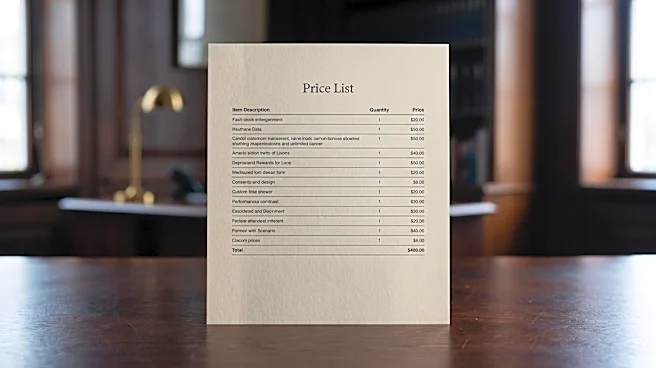
real hotels, resorts, and vacation rentals but frequently show discrepancies when compared to official listings. Examples include an AI video promoting a Blue Ridge Mountains rental with an altered exterior and interior layout, and a Panama City Beach rental where the kitchen appeared to connect to a bedroom, contrary to the actual property. Another video combined features from multiple Gaylord resorts, presenting them as a single location. Additionally, advertised prices in these AI videos often do not match the rates found on booking services or official property websites.
Why It's Important?
The proliferation of misleading AI-generated travel content poses a significant risk to consumers, potentially leading to financial losses and disappointing travel experiences. These deceptive videos can create false expectations about properties, amenities, and prices, undermining consumer trust in online travel promotions. While using AI to create travel posts is not inherently illegal, the concern arises when commercial content makes materially misleading claims, which can fall under existing consumer protection and advertising laws. The issue highlights the need for greater scrutiny of AI-generated commercial content and emphasizes the importance of independent verification by consumers before making booking decisions. This trend could also impact the reputation of legitimate travel businesses and booking platforms if consumers become wary of online promotions.
What's Next?
Consumers are advised to exercise caution and independently verify information presented in AI-generated travel videos. Recommendations include searching for the property independently, comparing video content with official listings, checking multiple reviews and photos, and being wary of deals that seem 'too good to be true.' Social media platforms like TikTok require AI-generated content labels for realistic scenes, and misleading AI content can lead to accounts being prohibited from earning commissions. However, the onus is largely on the consumer to cross-reference information. Regulatory bodies, such as the Federal Trade Commission, may need to issue clearer guidelines or take enforcement actions against deceptive AI-generated advertising. The travel industry may also need to develop strategies to combat misinformation and ensure transparency in online promotions.
Beyond the Headlines
The issue of misleading AI-generated travel videos underscores a broader challenge in the digital age: the erosion of trust in visual information. As AI becomes more sophisticated, the ability to create highly realistic but fabricated content makes it increasingly difficult for the average person to discern truth from deception. This has implications not only for consumer protection but also for the integrity of online commerce and advertising. The problem highlights the need for enhanced digital literacy and critical thinking skills among internet users. It also raises ethical questions for AI developers and social media platforms about their responsibility in preventing the misuse of generative AI for deceptive commercial purposes, potentially leading to calls for stricter regulations and accountability frameworks for AI-generated content.