


What's Happening?
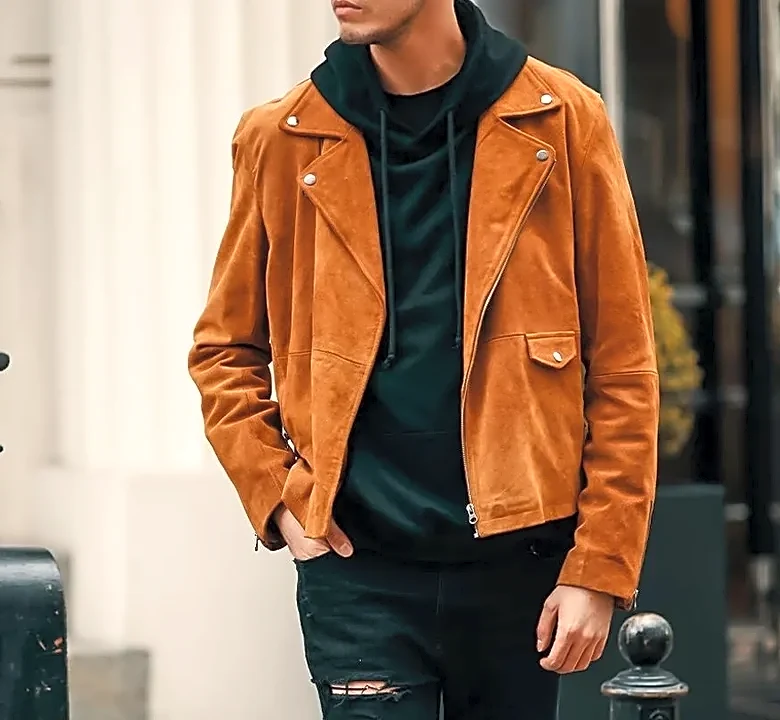
The fashion industry has unveiled the dominant trends for Winter 2026, highlighting several key styles and items for U.S. consumers. Funnel-neck jackets, faux suede, bold stripes, argyle patterns, studs, and slouchy tailoring are set to be prominent.
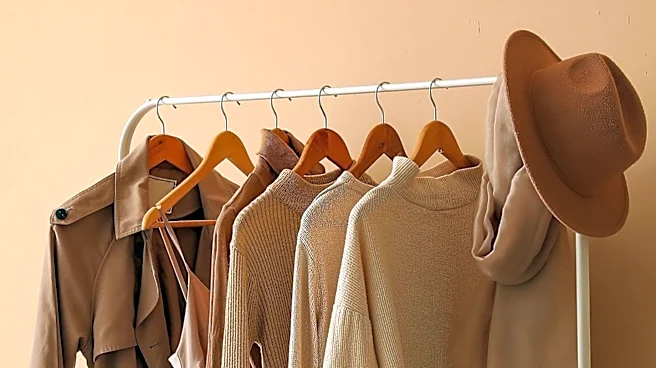
For a structured aesthetic, funnel-neck jackets can be paired with wide-leg denim or tailored pants. Alternatively, a more casual look involves layering these jackets over baby tees and cargo pants, or dressing them up with heeled boots and statement earrings. Color palettes will feature timeless neutral tones such as brown, charcoal, and black, alongside vibrant check prints for a pop of color. Preppy styles are also making a comeback, characterized by matching cardigan and mini-short sets, loafers, socks, and sleek glasses. Accessories are advised to be minimal, allowing argyle to serve as the primary statement piece. Other notable trends include fitted jackets, animal prints, faux fur trims, pencil midi skirts, oversized slouchy bags, and plum and purple tones.
Why It's Important?
These emerging fashion trends for Winter 2026 hold significant importance for the U.S. retail and fashion industries. The introduction of new styles and emphasis on specific materials like faux suede and faux fur will drive consumer demand, influencing purchasing decisions across various demographics. Retailers will need to adjust their inventory and marketing strategies to align with these trends, potentially leading to increased sales for companies that quickly adapt. Designers and manufacturers will focus on producing garments and accessories that incorporate these elements, impacting supply chains and production schedules. The emphasis on versatile pieces, such as funnel-neck jackets that can be styled casually or formally, caters to a broad consumer base, potentially boosting market penetration. Furthermore, the resurgence of preppy styles and specific color palettes like plum and purple will shape fashion media narratives and influence personal styling choices, creating a ripple effect throughout the fashion ecosystem and impacting consumer spending habits.
What's Next?
As Winter 2026 approaches, U.S. fashion brands and retailers will likely intensify their marketing campaigns to showcase these new trends. Consumers can expect to see these styles prominently featured in online stores, physical retail locations, and fashion publications. Influencers and stylists will play a crucial role in popularizing these looks, offering styling advice and product recommendations. Manufacturers will continue to scale production of items like funnel-neck jackets, faux suede apparel, and argyle knitwear to meet anticipated demand. Fashion events and runway shows in the coming months will further solidify these trends, providing additional inspiration for both industry professionals and the general public. The adoption rate of these trends by consumers will dictate their longevity and influence on subsequent fashion cycles, with successful trends potentially evolving into staple pieces for future seasons.
Beyond the Headlines
The cyclical nature of fashion, evident in the return of preppy styles and specific patterns like argyle, highlights broader cultural and economic influences. The emphasis on faux materials such as faux suede and faux fur also reflects a growing consumer preference for sustainable or ethically sourced alternatives, even if the primary driver is aesthetic. This shift could indicate a long-term trend towards more conscious consumption within the fashion industry. The versatility of pieces, allowing for both casual and dressed-up looks, speaks to a desire for practical and adaptable wardrobes in a fast-paced lifestyle. Furthermore, the detailed guidance on styling, from specific pairings to accessory choices, suggests a consumer base that values curated looks and seeks expert advice, potentially boosting the personal styling and fashion consulting sectors. These trends are not just about clothing; they reflect evolving consumer values and lifestyle choices.