



What's Happening?
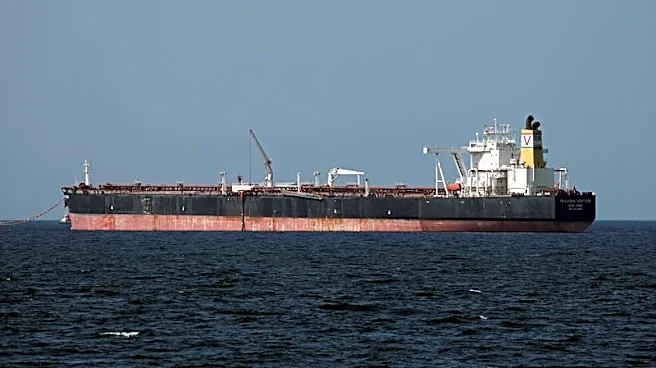
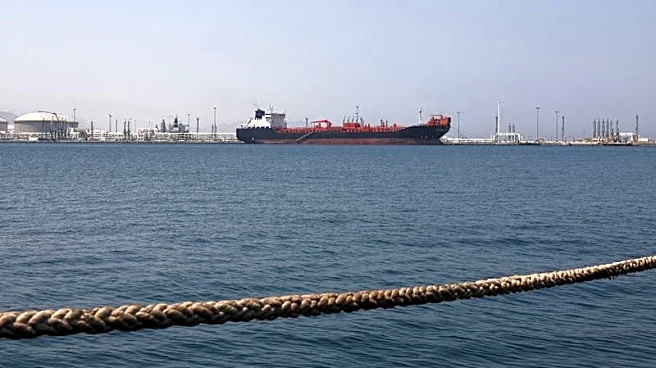
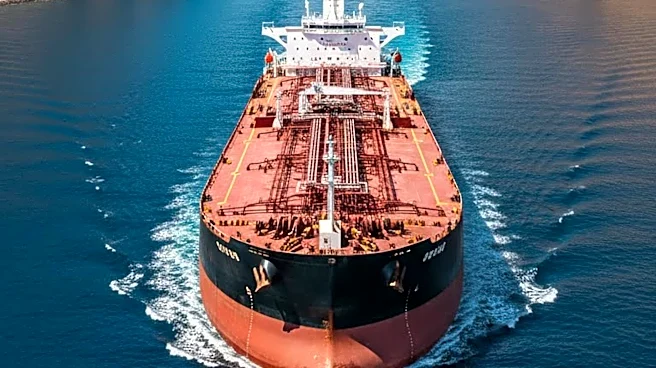
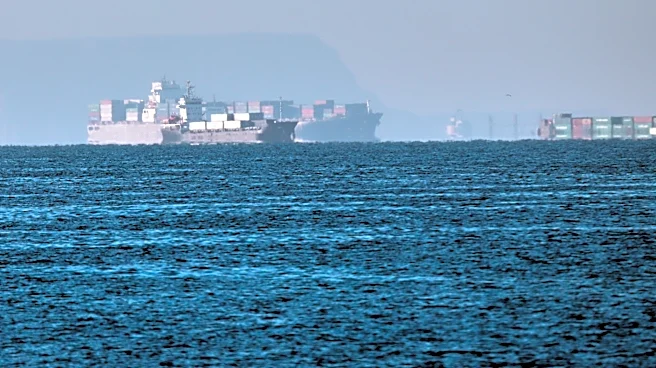
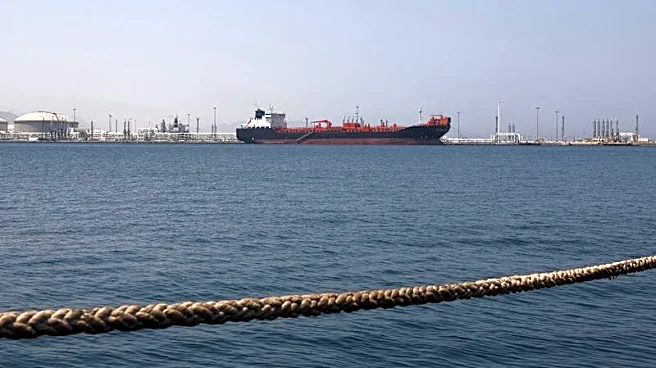
Crude oil exports from the Persian Gulf, which had recently recovered to near pre-war levels, are now facing potential disruption due to a significant shortage of inbound tankers. Data from Tankertrackers.com indicates that the combined capacity of supertankers
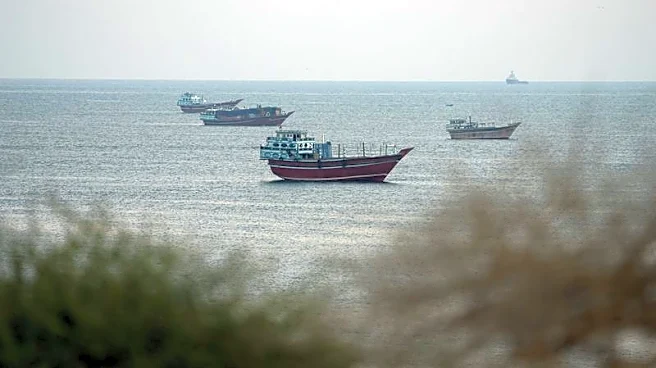
and Suezmaxes en route to the Gulf of Oman has plummeted to 71 million barrels as of November 16, a sharp decrease from 130 million barrels at the end of August. This decline is attributed to inefficient shipping patterns caused by the Iran war, which has tied up more tankers in lengthy voyages and ship-to-ship transfers in the Gulf of Oman. These operational inefficiencies are reducing the global availability of empty tankers willing to travel to the Middle East for cargo pickups. Despite elevated export levels in recent months, November has seen slightly lower flows compared to October, coinciding with an intensification of tanker attacks in and near the Strait of Hormuz, with five tankers struck between November 11 and 18.
Why It's Important?
The potential decline in oil exports from the Persian Gulf carries significant implications for global energy markets and U.S. economic stakeholders. The Strait of Hormuz is a critical chokepoint for a substantial portion of the world's oil supply, and any disruption can lead to price volatility and supply chain instability. A shortage of tankers could constrain the ability of Middle Eastern producers to meet global demand, potentially driving up crude oil prices, which would impact U.S. consumers through higher gasoline prices and increased operational costs for businesses. Furthermore, the heightened security risks and increased insurance premiums for tankers operating in the region add to shipping costs, which are ultimately passed on to consumers. This situation could also influence U.S. foreign policy decisions regarding maritime security in the Middle East and its energy strategy, as the nation seeks to ensure stable global oil supplies.
What's Next?
The immediate future will likely see continued monitoring of tanker availability and security incidents in the Strait of Hormuz. Analysts and investment banks, including ING and Goldman Sachs Research, along with the International Energy Agency (IEA), still anticipate the global oil market to enter a surplus this quarter and into 2027, assuming supply recovery. However, these forecasts are contingent on the absence of further significant disruptions. The ongoing maritime attrition strategy highlighted by maritime intelligence firms suggests that tanker attacks are unlikely to ease without diplomatic changes. Stakeholders will be watching for any diplomatic breakthroughs concerning Iran that could de-escalate tensions and improve maritime security. The market will also observe how tanker operators adapt to the current challenges, including potential rerouting or increased security measures, which could further impact shipping costs and oil prices.
Beyond the Headlines
Beyond the immediate concerns of oil supply and pricing, this situation highlights deeper geopolitical and logistical vulnerabilities in the global energy infrastructure. The reliance on a single chokepoint like the Strait of Hormuz for a significant portion of the world's oil makes the market susceptible to regional conflicts and political instability. The increased frequency of tanker attacks underscores the fragility of maritime trade routes and the complex interplay between geopolitical tensions and economic stability. This could accelerate discussions around diversifying energy sources and supply routes, as well as investing in alternative transportation methods or strategic petroleum reserves to mitigate future disruptions. The long-term implications could include a re-evaluation of global shipping insurance models and increased pressure on international bodies to enforce maritime security, potentially leading to new naval deployments or cooperative security frameworks in critical shipping lanes.