





What's Happening?
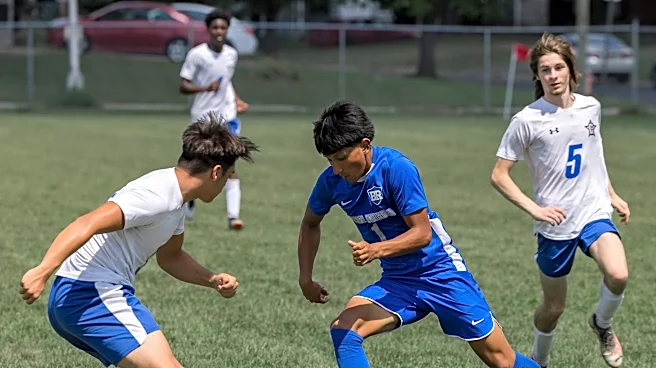
Julie Johnson, the varsity coach for the York High boys soccer team, is entering her ninth season with a new artificial turf field as part of a $6 million athletic complex renovation. While the new facilities, which also include a six-lane track and a large
scoreboard, are a significant upgrade from their previous grass field and temporary playing grounds, Johnson has expressed a slight concern about potentially losing their traditional home-field advantage. The old grass field, installed in the 1970s, was known for its challenging conditions, including depressions and worn areas, which opposing teams often found difficult to adapt to. York's players, however, were accustomed to these conditions and believed it gave them an edge. The new field, completed in late November, provides a much-improved playing surface, and practices are now more efficient without the need to set up cones for markers. The program continues to be strong, with 50 players across varsity, junior varsity, and first teams, and maintains its position in the Western Maine Conference's top tier for scheduling.
Why It's Important?
The transition to a new, state-of-the-art athletic complex for York High's boys soccer team highlights a common challenge faced by sports programs when upgrading facilities: balancing modern amenities with established team dynamics and perceived advantages. While the new turf field offers clear benefits in terms of playability, safety, and practice efficiency, Coach Johnson's concern about losing home-field advantage underscores the psychological and strategic elements inherent in sports. The old field's poor condition, while a physical challenge, had become a unique asset for York, forcing opponents to adapt while the home team was already acclimated. This situation reflects how environmental factors, even seemingly negative ones, can be integrated into a team's identity and strategy. The investment in the new complex also signifies a broader trend in high school athletics towards providing top-tier facilities, which can attract talent and enhance player development, but also necessitates a re-evaluation of how teams leverage their home environment.
What's Next?
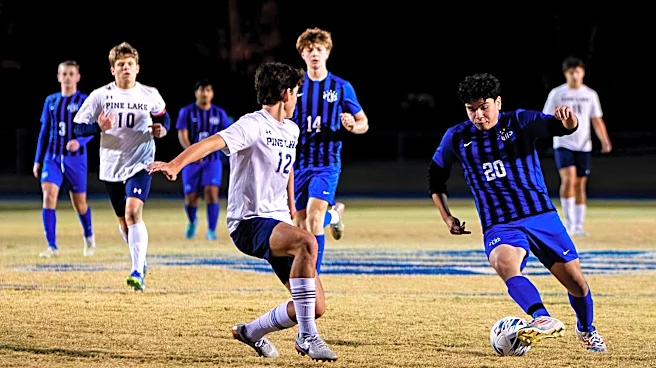
The York High boys soccer team will continue to adapt to their new artificial turf field, with their first home scrimmage under the lights scheduled soon. The team aims to secure a home-field playoff game this season and advance beyond the regional quarterfinals, a goal that will test their ability to perform on the new surface. Coach Johnson and her team will likely focus on developing new strategies that capitalize on the consistent playing conditions of the turf, rather than relying on the unpredictable nature of their old grass field. The program's consistent strength and large roster suggest a strong foundation for success, but the psychological aspect of 'home-field advantage' will need to be redefined. The team's performance in the upcoming season will provide insights into how quickly they can leverage the benefits of the new facility while mitigating any perceived loss of their previous unique edge.
Beyond the Headlines
This situation extends beyond immediate athletic performance, touching upon the broader implications of infrastructure development in community sports. The $6 million investment in the athletic complex reflects a community's commitment to its youth and sports programs, aiming to provide safer and more modern facilities. However, it also subtly shifts the culture of the team. The 'grit' and adaptability fostered by playing on a challenging old field might evolve into a different kind of resilience, one focused on technical skill and strategic execution on a consistent surface. The anecdote about the unique path to the stadium field, which creates anticipation for players, suggests that intangible elements of a home venue can be as significant as the playing surface itself. This scenario offers a micro-example of how modernization, while beneficial, can sometimes erase unique characteristics that have become part of a team's identity and competitive spirit, prompting a need for new ways to cultivate a home advantage.