


What's Happening?
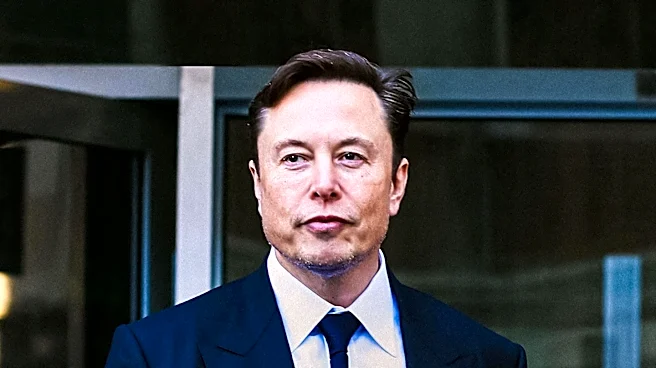
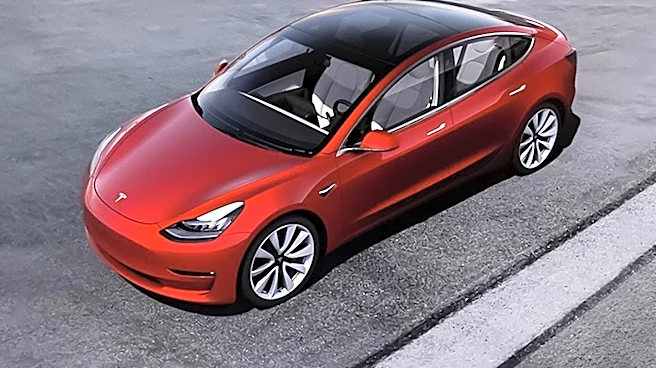
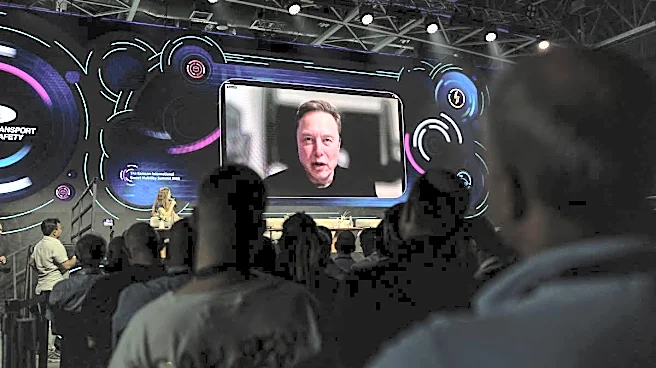
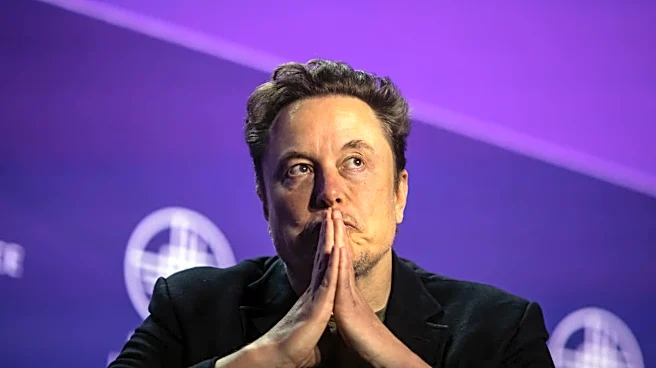
Tesla CEO Elon Musk has reiterated his criticism of LiDAR technology following Volvo's decision to discontinue its use in vehicles. Musk argues that optical sensors and neural networks are sufficient for autonomous driving, a stance he has maintained
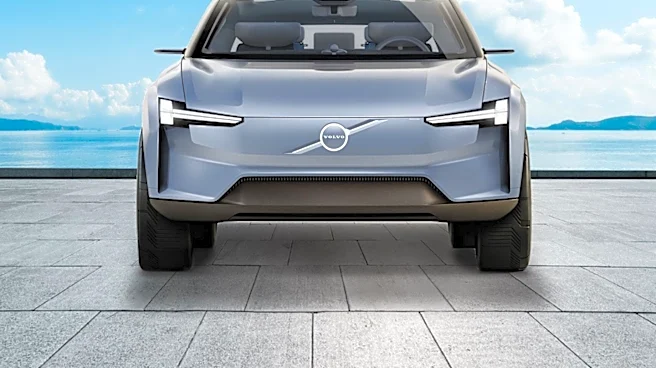
for over a decade. Volvo's decision comes after ending its partnership with LiDAR supplier Luminar, which filed for bankruptcy. The move affects Volvo's EX90 and ES90 models, with customers receiving compensation for the discontinued features.
Why It's Important?
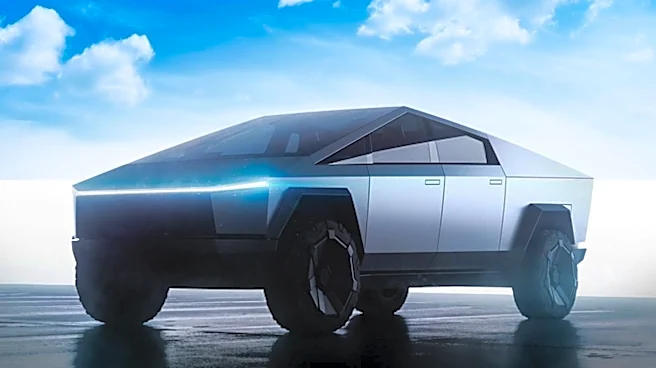
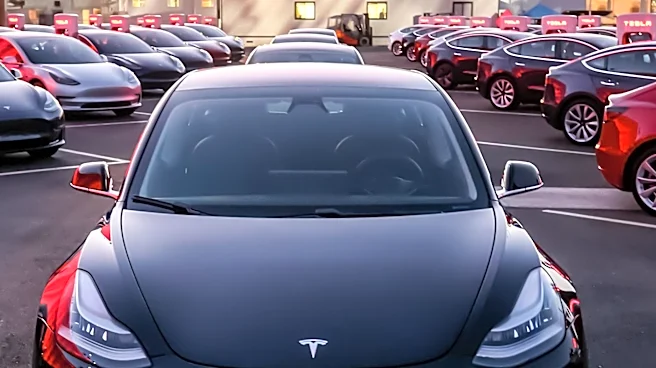
Musk's stance on LiDAR highlights a significant debate in the autonomous vehicle industry regarding the best technology for self-driving cars. Tesla's reliance on cameras and neural networks contrasts with other companies like Waymo, which use a combination of sensors. Volvo's decision to drop LiDAR may influence other automakers' strategies and could impact the development and adoption of autonomous vehicles. The debate over sensor technology is crucial as companies strive to achieve fully autonomous driving capabilities.
Beyond the Headlines
The decision to abandon LiDAR raises questions about the future of sensor technology in autonomous vehicles. While some argue that LiDAR provides critical data for safe navigation, others believe that advancements in camera and neural network technology can achieve similar results. The outcome of this debate could shape the direction of autonomous vehicle development and influence regulatory standards. Additionally, the financial implications for companies invested in LiDAR technology could be significant as the industry evolves.