



What's Happening?
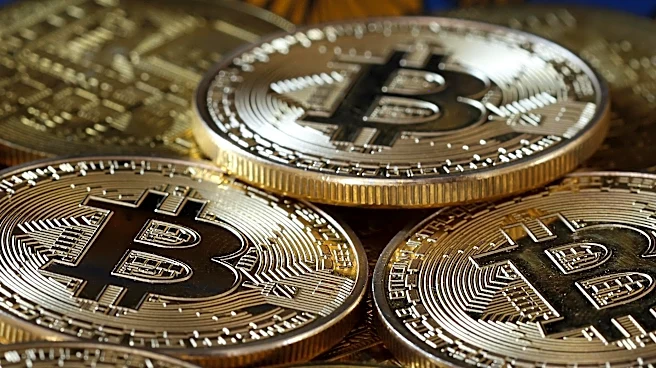
Bitcoin experienced a significant drop, falling to $55,326 on Saturday morning, marking its lowest point since September 2024, before partially recovering above $60,000. This decline extended its quarterly loss to approximately 27.5% and erased its August-September
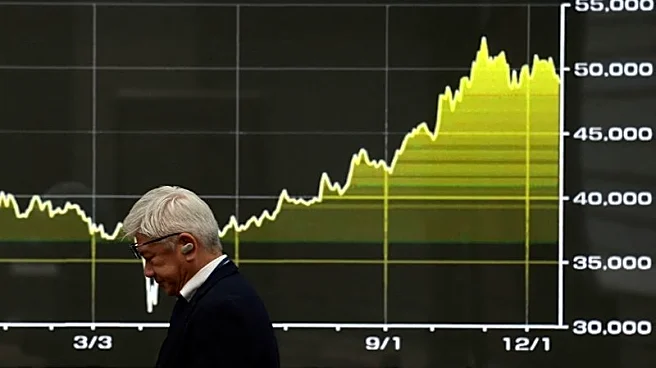
recovery. The cryptocurrency, which has lost over half its value since its October 2025 peak of around $126,200, broke below its summer bear market low of $57,800. This downturn coincided with a broader sell-off in risk-sensitive assets, including tech stocks and precious metals, as investors sought safer havens like cash. The Nasdaq also saw a more than 4% drop, reaching its lowest level since April, fueled by concerns over artificial intelligence valuations. Federal Reserve Governor Christopher Waller recently suggested the possibility of a 50-basis-point interest rate hike, contributing to concerns about tightening financial conditions and making cash and government bonds more appealing.
Why It's Important?
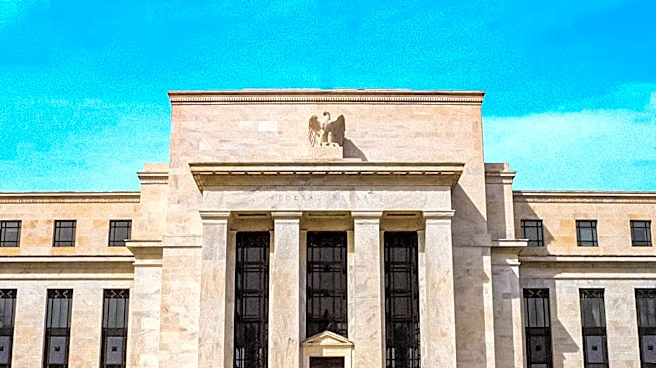
The comments from Federal Reserve Governor Christopher Waller regarding a potential 50-basis-point interest rate hike are significant because they signal a more aggressive stance on monetary policy tightening. Such a move by the Federal Reserve could lead to higher borrowing costs across the U.S. economy, impacting everything from mortgages to corporate loans. For investors, rising interest rates typically make fixed-income assets like U.S. Treasury bonds more attractive compared to riskier assets such as cryptocurrencies and growth stocks. This shift in investor preference can divert capital away from speculative markets, contributing to price declines in assets like Bitcoin. The increased appeal of cash and government bonds, driven by higher real yields, directly competes with the investment case for digital assets, potentially leading to further outflows from the cryptocurrency market. This scenario could also affect U.S. businesses, particularly those reliant on readily available and affordable capital for expansion and innovation, as tighter financial conditions could constrain investment and growth.
What's Next?
The cryptocurrency market, particularly Bitcoin, will likely remain sensitive to further statements and actions from the Federal Reserve regarding interest rates. If the Federal Reserve proceeds with a 50-basis-point rate hike, or even signals a continued hawkish stance, it could exert additional downward pressure on Bitcoin and other risk assets. Market participants will be closely watching upcoming economic data, especially inflation reports and employment figures, as these will heavily influence the Federal Reserve's future policy decisions. The market's ability to recover may also depend on new inflows into spot Exchange Traded Funds (ETFs) for Bitcoin, as suggested by crypto market maker Wintermute, which believes Bitcoin needs to reclaim the $68,000 level for a sustained recovery. Without significant new demand, any rebounds might primarily reflect short-position closures rather than genuine buying interest, indicating continued volatility and potential for further declines.
Beyond the Headlines
The recent market movements highlight a broader shift in investor sentiment, moving away from speculative assets towards more traditional, less volatile investments. This trend is not just about the immediate impact of interest rate hikes but also reflects a re-evaluation of risk in a changing economic landscape. The interconnectedness of various financial markets is also evident, as the tech stock sell-off and concerns over AI valuations coincided with Bitcoin's decline, suggesting that cryptocurrencies are increasingly behaving like other risk assets rather than being entirely uncorrelated. This development could lead to a more mature, albeit potentially less volatile, cryptocurrency market in the long term, as investors become more discerning about where they allocate capital. Furthermore, the discussion around potential deflation, despite recent inflation data, points to underlying anxieties about economic growth and stability, which could influence regulatory approaches to digital assets and broader financial policy in the U.S.