

What's Happening?
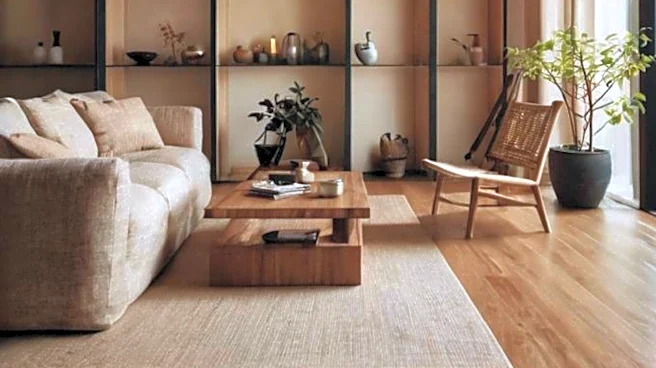
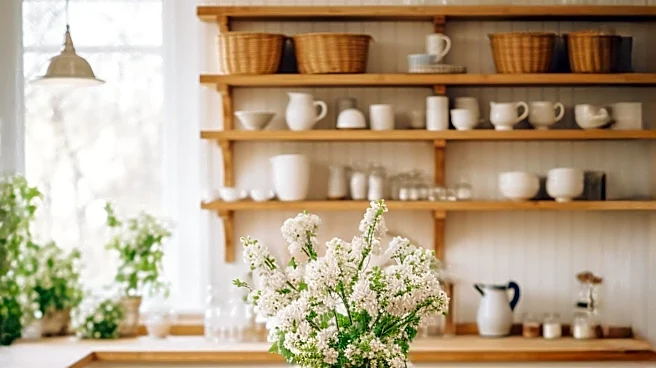
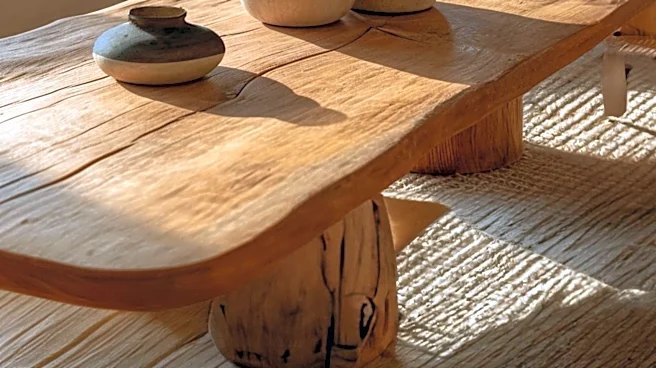
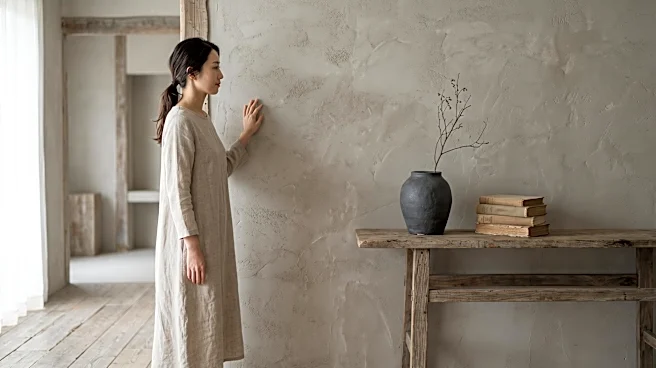
The rustic aesthetic is characterized by its emphasis on natural materials such as leather, wood, and denim, often combined with cozy tones to create a character-filled atmosphere. This design approach incorporates elements like antique glass bottles,
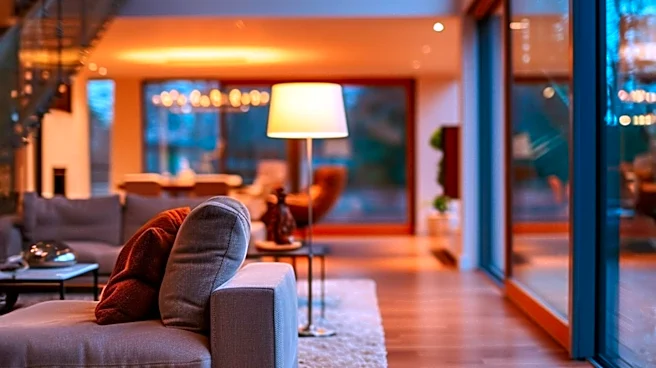
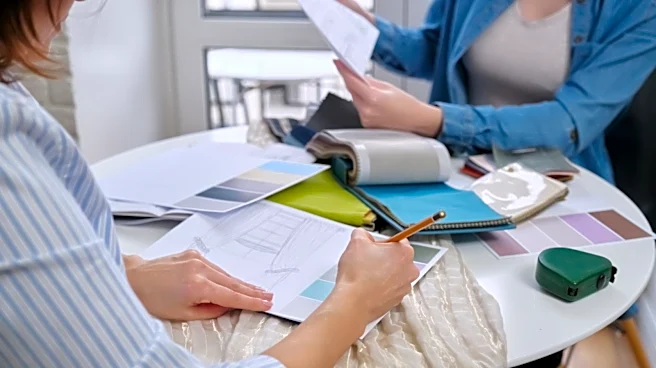
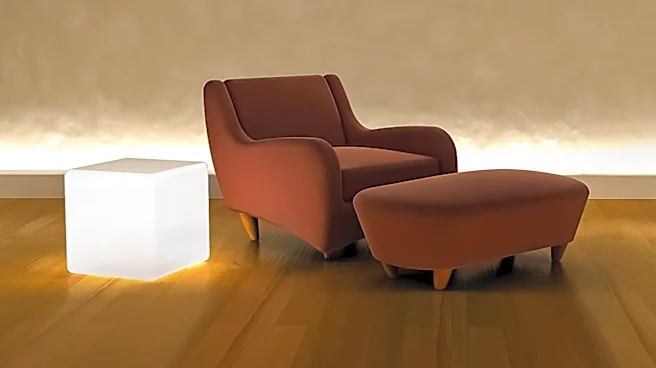
old oil paintings, wicker baskets, exposed wood, and cowboy statues. The style is evident in both interior design and fashion, with examples such as Nicole Sheridan's modern cowgirl aesthetic, which integrates Western elements. The 'Western Style Home Design' contest on Homestyler highlighted this trend, showcasing designs that blend freedom with warmth and embrace natural materials. Participants utilized AI tools to experiment with textures and colors, creating harmonious interiors that merge rustic motifs with modern design principles. Earth tones and ambient lighting are frequently used to evoke a tranquil, expansive landscape.
Why It's Important?
The growing popularity of the rustic aesthetic reflects a broader societal desire for warmth, authenticity, and a connection to nature in living spaces. This trend impacts the interior design industry by driving demand for specific materials like reclaimed wood, natural fabrics, and vintage decor. For consumers, adopting this style can lead to more comfortable and inviting homes, potentially reducing stress as research suggests exposure to wooden settings can improve emotional well-being. The blend of rustic and modern elements allows for versatile application, appealing to a wide range of tastes and home types, from traditional cabins to contemporary apartments. This design philosophy encourages thoughtful consumption, prioritizing pieces with character and history over mass-produced items, which can influence manufacturing and retail sectors towards more sustainable and artisanal products.
What's Next?
The continued evolution of the rustic aesthetic is likely to see further integration with modern design principles, creating hybrid styles that are both nostalgic and current. Designers and homeowners will continue to leverage digital tools, such as AI-powered platforms like Homestyler, to visualize and implement these complex design blends. There may be an increased focus on sourcing sustainable and ethically produced natural materials, driven by growing environmental consciousness. The trend could also expand into other areas of lifestyle and product design, influencing fashion, hospitality, and even urban planning, as people seek to incorporate natural and authentic elements into various aspects of their lives. Expect to see more curated collections of vintage and handcrafted items becoming central to home decor, moving away from overly themed or generic aesthetics.
Beyond the Headlines
Beyond its visual appeal, the rustic aesthetic taps into a deeper cultural yearning for simplicity and a return to foundational elements. In an increasingly digital and fast-paced world, the tactile nature of wood, leather, and natural fibers offers a grounding experience. This design choice can foster a sense of permanence and history, contrasting with the transient nature of modern trends. Ethically, the emphasis on natural and often reclaimed materials can promote sustainable practices and reduce waste, encouraging a more mindful approach to consumption. The aesthetic also subtly challenges the notion of perfection, celebrating imperfections and the unique character that comes with age and natural wear. This shift in values could lead to a broader appreciation for craftsmanship and durability over fleeting trends, influencing consumer behavior and industry standards in the long term.