




What's Happening?
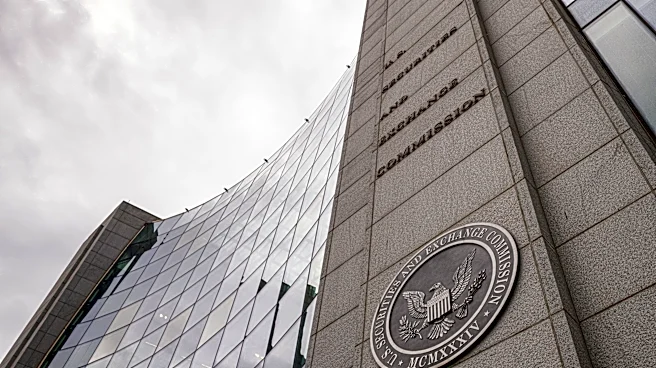
United Parcel Service (UPS) is associated with a $45 million SEC Fair Fund established for eligible investors. This fund addresses accounting misrepresentations by UPS related to goodwill impairment for its UPS Freight unit, which occurred between late 2019
and early 2021. Investors who purchased specific UPS shares or bonds during this period are eligible to submit claims for compensation, with a deadline set for January 2027. The creation of this fund highlights concerns regarding UPS's financial controls and reporting practices, particularly concerning asset valuations and goodwill. While the issue does not directly impact the company's operational shift towards higher-margin freight services, it raises questions about the accuracy of past financial results and their reflection of economic reality. The company's market capitalization stands at $90.4 billion, and it operates as a global package delivery and logistics provider.
Why It's Important?
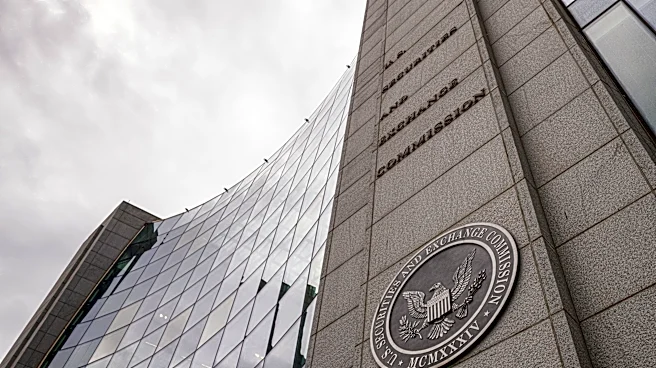
The SEC Fair Fund for UPS underscores the critical importance of transparent and accurate financial reporting for publicly traded companies, especially those with significant market capitalization like UPS. For investors, the ability to claim compensation from the $45 million fund provides a measure of recourse for potential losses incurred due to the accounting misrepresentations. This event can erode investor confidence in a company's financial integrity, even if the operational aspects remain strong. In the competitive logistics industry, trust in financial reporting is as crucial as operational scale and network quality. The incident also serves as a reminder to the broader market about the Securities and Exchange Commission's role in enforcing financial regulations and protecting investors from misleading information. The focus on goodwill impairment specifically highlights the complexities of accounting for intangible assets and the potential for misstatements to impact a company's reported financial health.
What's Next?
UPS will be under increased scrutiny regarding its financial disclosures, particularly in its upcoming 10-K and 10-Q filings through 2027. Investors and analysts will be closely monitoring how the company reports and discusses goodwill, asset valuations, and related internal controls, as well as any commentary on remediation steps taken. Consistent, clear, and unrevised disclosures during this period, especially as the SEC Fair Fund process continues until its January 10, 2027, claim deadline, will be crucial. Such transparency would provide stronger evidence that the accounting issue was a contained historical problem rather than an ongoing risk. The outcome of these disclosures will influence investor perception of UPS's financial stability and governance, potentially impacting its stock performance and overall market valuation. The process also sets a precedent for how similar accounting issues might be handled in the future across the logistics sector.
Beyond the Headlines
This incident extends beyond a simple accounting error, touching upon the broader themes of corporate governance and the reliability of financial statements in a complex global economy. The SEC Fair Fund flags a 'Narrative risk' that often receives less attention than operational costs or market consolidation, emphasizing the importance of robust internal controls and ethical reporting. For a company like UPS, which relies heavily on investor trust and a strong brand reputation, such an event can have long-term implications for its perceived integrity. It also highlights the ongoing challenge for investors to fully assess a company's economic reality, especially when financial statements may not entirely reflect it. The focus on goodwill impairment also brings to light the subjective nature of certain accounting practices and the potential for manipulation, underscoring the need for vigilant oversight by regulatory bodies and independent auditors.