





What's Happening?
INNOPOWER Company Limited has partnered with the Office of the Eastern Economic Corridor Policy Committee (EECO) to introduce a Clean Energy Roadmap. This initiative, unveiled at DEPA’s Thailand Digital Valley in Chonburi, aims to enhance the readiness
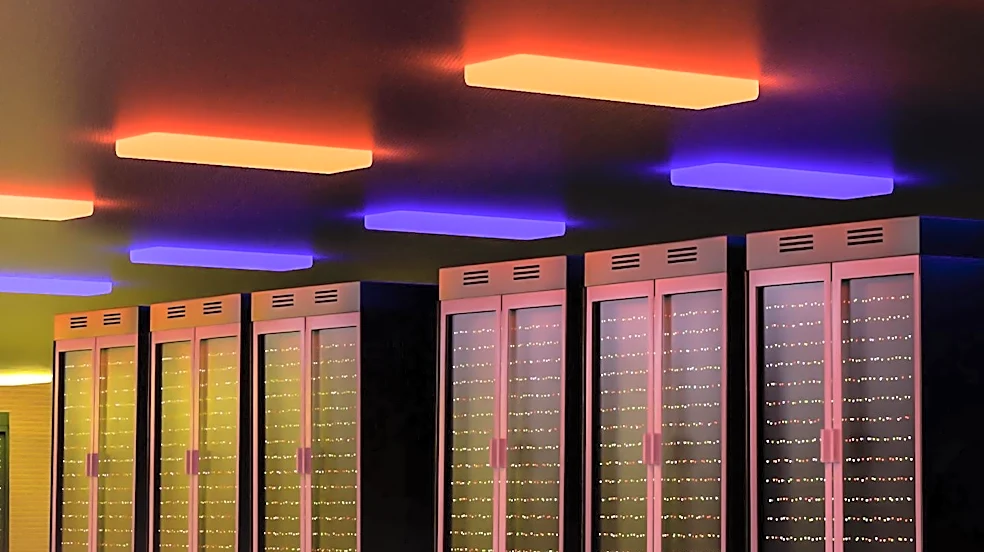
of industrial operators in the Eastern Economic Corridor (EEC) for clean energy adoption. The focus is particularly on the Automotive, Electronics, and Data Center sectors. The event featured exchanges with experts from RE100 and EnergyTag, international organizations prominent in clean energy, to provide insights and new perspectives for businesses. According to Mr. Athip Tantivorawong, CEO of INNOPOWER, the global supply chain and trading partners are increasingly demanding adherence to clean energy standards, making it crucial for Thai industries to understand and implement these international guidelines. This collaboration is part of a renewed Memorandum of Understanding (MOU) between INNOPOWER and EECO, designed to empower businesses with clear pathways for integrating clean energy.
Why It's Important?
This Clean Energy Roadmap is vital for the competitiveness and sustainability of Thailand's industrial sector, especially within the EEC. By providing a clear framework and guidance on clean energy adoption, it helps businesses meet evolving international standards and expectations from global trading partners and supply chains. The focus on Automotive, Electronics, and Data Center industries is strategic, as these sectors are often energy-intensive and face significant pressure to reduce their carbon footprint. Adopting clean energy practices can lead to reduced operational costs, enhanced brand reputation, and improved access to markets that prioritize sustainability. Conversely, industries that fail to adapt risk losing market share and facing trade barriers. This initiative also positions Thailand as a leader in sustainable industrial development within the ASEAN region, potentially attracting more foreign investment in green technologies and practices.
What's Next?
Following the launch of the Clean Energy Roadmap, INNOPOWER and EECO will continue to provide support and guidance to industrial operators in the EEC. The next steps involve assisting businesses in assessing their readiness, setting carbon reduction targets, identifying renewable energy sources, and evaluating the costs and benefits of various clean energy options. This will enable each organization to develop a sustainable business plan tailored to its specific needs. The collaboration will also likely involve further workshops, training programs, and expert consultations to facilitate the practical implementation of clean energy solutions. The long-term goal is to foster a robust ecosystem where businesses can confidently transition to clean energy, contributing to Thailand's overall sustainability goals and strengthening its position in the global green economy.
Beyond the Headlines
The Clean Energy Roadmap signifies a deeper shift in industrial paradigms, moving beyond mere compliance to proactive sustainability. This initiative reflects a growing global awareness of environmental responsibility and its direct impact on economic viability. By emphasizing international standards like those from RE100 and EnergyTag, Thailand is not only addressing climate concerns but also strategically aligning its industries with global market demands for green products and services. This could lead to a 'green premium' for Thai exports and attract investments from companies committed to sustainable practices. Furthermore, the focus on specific sectors like data centers highlights the increasing energy demands of the digital economy and the necessity of integrating clean energy solutions into emerging technologies. This roadmap could serve as a model for other developing economies seeking to balance industrial growth with environmental stewardship.