







What's Happening?
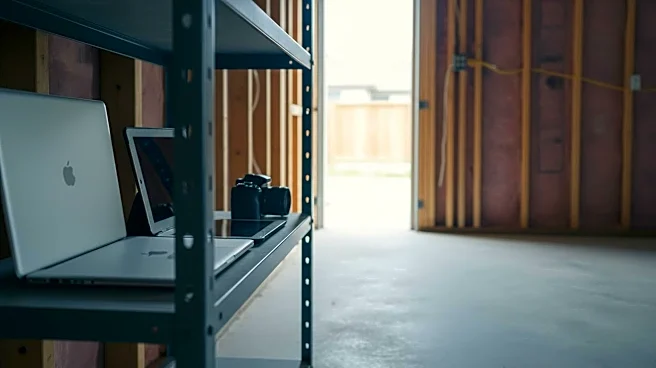
Experts are advising against storing electronic devices in garages, citing potential damage due to uncontrolled environmental conditions. Garages in the U.S. often lack climate control and insulation, leading to significant temperature fluctuations and humidity
levels that can harm electronics. Many garages are not insulated and can experience a greenhouse effect, making them 10 to 18 degrees hotter than the outside temperature. For instance, the dry heat in the Southwest can accelerate battery aging, while humidity in any region can corrode contacts and solder joints, and cause condensation inside devices. Building codes often treat garages as separate from the main living space, preventing shared ductwork and thus climate control, to mitigate risks like carbon monoxide entering the home. While a tightly sealed, insulated garage in a mild climate might pose a lower risk, the general recommendation is to avoid garage storage unless the environment is consistently within manufacturer-specified conditions.
Why It's Important?
This information is crucial for U.S. consumers as it highlights a common practice that can lead to significant financial losses and premature device failure. Improper storage of electronics can void warranties and necessitate costly repairs or replacements, impacting household budgets. For businesses, particularly those dealing with electronics inventory or equipment, understanding these environmental risks is vital for maintaining asset integrity and avoiding operational disruptions. The advice underscores the importance of adhering to manufacturer guidelines for device care, which often specify optimal temperature and humidity ranges for storage. This issue also touches upon broader consumer education regarding product longevity and sustainable practices, as extending the life of electronics reduces waste and the demand for new products.
What's Next?
Consumers are encouraged to re-evaluate their current electronics storage solutions, particularly for devices kept in garages or other non-climate-controlled spaces. The immediate next step for many would be to relocate valuable electronics to indoor, climate-controlled environments within their homes. Before storing any device long-term, it is recommended to back up important data, remove disposable batteries, and periodically charge rechargeable devices to about 50%, as advised by manufacturers like Apple for MacBooks. Manufacturers may continue to emphasize proper storage guidelines in their product manuals and support documentation. Increased awareness of these risks could lead to a shift in consumer behavior, potentially reducing the number of damaged electronics and the associated environmental impact of premature disposal.
Beyond the Headlines
The issue of electronics storage extends beyond mere convenience, touching upon broader themes of consumer responsibility and product design. The vulnerability of modern electronics to environmental factors highlights the delicate balance between technological advancement and durability. As devices become more sophisticated, their components often become more sensitive to extreme conditions. This situation also raises questions about the 'right to repair' movement, as damaged electronics due to improper storage often fall outside warranty coverage, forcing consumers into expensive repairs or replacements. Furthermore, the environmental impact of prematurely discarded electronics, often due to preventable damage, contributes to e-waste challenges. Educating consumers on proper care and storage can play a significant role in promoting product longevity and reducing electronic waste.