






What's Happening?
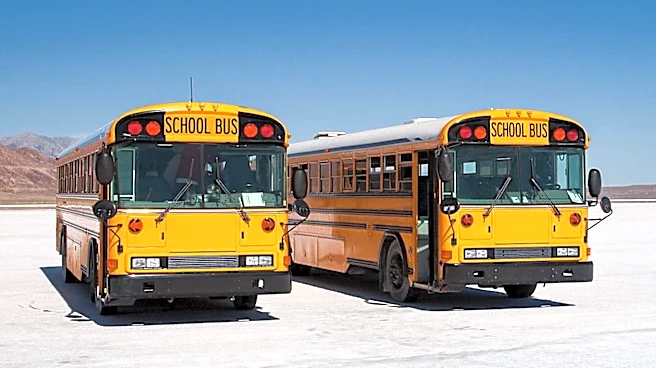
Blue Bird (NASDAQ:BLBD), a prominent manufacturer of school buses in the U.S., has seen a significant surge in demand, leading to strong financial results and an upward revision of its guidance. The company, known for its iconic yellow buses, is benefiting
from a wave of fleet replacements by school districts and a growing industry-wide shift towards electric models. Blue Bird has expanded its electric vehicle lineup and manufacturing capacity to meet this increasing demand. The company's core business involves designing and assembling buses for school districts, a market characterized by long product lifespans, stringent safety standards, and consistent replacement cycles. This specialized focus, coupled with deep relationships with districts and dealers, provides Blue Bird with a unique competitive advantage. The company also offers commercial buses and alternative-fuel models, but student transportation remains its primary focus. Recent developments indicate a robust order book and improved operational efficiency, contributing to increased net sales and earnings year-over-year.
Why It's Important?
This development is significant for the U.S. transportation sector and the broader clean energy initiative. Blue Bird's success in the electric school bus market highlights a growing trend towards cleaner transportation solutions in public infrastructure. The increased adoption of electric school buses, often supported by public funding aimed at replacing older diesel fleets, signifies a commitment to reducing emissions and improving air quality for students and communities. This shift also creates new opportunities for manufacturers like Blue Bird, driving innovation and investment in electric vehicle technology. The company's ability to meet this demand, despite being a small-cap manufacturer, demonstrates the potential for specialized companies to thrive within evolving markets. Furthermore, the stability of school bus demand, which is less susceptible to broader economic fluctuations, provides a measure of resilience in the industrial sector. The company's performance serves as an indicator of the health of district spending and the pace of clean-transport adoption across the country.
What's Next?
Blue Bird is expected to continue focusing on expanding its electric school bus offerings and manufacturing capabilities to capitalize on the sustained demand for zero-emission models. The company will likely manage its robust order backlog, converting it into delivered buses while navigating potential supply chain challenges related to batteries and components. The ongoing availability of public funding and incentives for electric vehicle adoption will play a crucial role in accelerating the transition away from diesel fleets. Blue Bird will also need to maintain its strong safety record and adapt its manufacturing processes to ensure rigorous safety standards are met with new electric technologies. The competitive landscape, while concentrated, may see increased intensity as electrification attracts new entrants, requiring Blue Bird to continuously innovate and leverage its established brand and specialized focus. The company's aftermarket business, providing parts and service, is also anticipated to grow as the fleet of electric buses expands, creating a recurring revenue stream.
Beyond the Headlines
Beyond the immediate financial implications, Blue Bird's trajectory reflects a broader societal shift towards sustainable practices and environmental responsibility within public services. The move to electric school buses has ethical dimensions, as it directly impacts the health and well-being of children by reducing their exposure to harmful diesel emissions. This transition also underscores the importance of public-private partnerships, with government funding playing a critical role in facilitating the adoption of cleaner technologies. The long-term implications include a potential transformation of the school transportation infrastructure, leading to quieter, more efficient, and environmentally friendly fleets nationwide. This also sets a precedent for other public sectors to consider similar transitions, contributing to national climate goals. The company's ability to balance its traditional business with the demands of a rapidly evolving electric vehicle market highlights the complexities and opportunities inherent in modernizing essential public infrastructure.