





What's Happening?
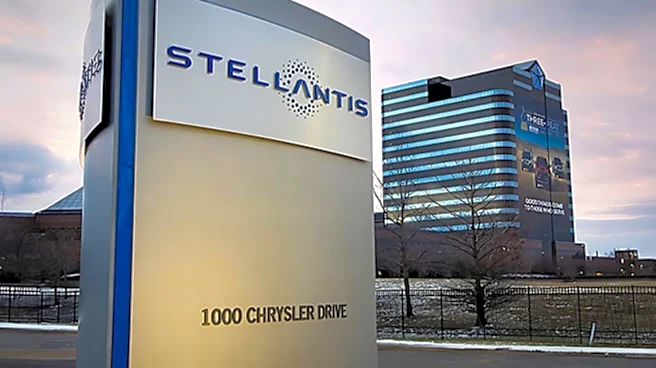
Stellantis, the parent company of brands like Dodge, Ram, Jeep, and Chrysler, is actively working to strengthen its market position and improve relationships with its dealer network. According to Joe Laham, President of Premier Companies, Stellantis has
implemented new leadership and aligned its pricing and product strategies to rebuild dealer profitability. The company is prioritizing its Jeep and Ram brands, while also acknowledging the need for continued improvements in product quality. Stellantis has increased its marketing support for dealers, including a regional program where both parties contribute to retail efforts. This shift indicates a move away from pricing strategies that previously pressured dealers, towards a more collaborative approach focused on competing effectively in the retail market. Laham also noted that Stellantis needs to address competitive differences with companies like Carvana, particularly concerning online operations, financing, and market reach.
Why It's Important?
This strategic shift by Stellantis is significant for the U.S. automotive industry, particularly for its extensive network of dealerships. By focusing on rebuilding dealer profitability and providing increased marketing support, Stellantis aims to foster stronger partnerships, which can lead to improved sales and customer satisfaction. The emphasis on Jeep and Ram, two of its most popular brands in the U.S., is crucial for maintaining market share and driving revenue. Furthermore, addressing the competitive landscape, especially the operational differences with online retailers like Carvana, is vital for traditional dealerships to remain competitive in an evolving market. This move could set a precedent for how other major automakers interact with their dealer networks and adapt to new retail models, ultimately impacting employment, local economies, and consumer choices in the automotive sector.
What's Next?
Stellantis is expected to continue its efforts to enhance product quality, particularly for its core brands like Jeep and Ram. The company will likely further develop its collaborative marketing programs with dealers to boost retail sales and strengthen brand presence. Addressing the competitive disparities with online automotive retailers will be a key area of focus, potentially leading to new policies or initiatives to level the playing field for franchised dealers. The success of these strategies will be closely watched by industry analysts and competitors, as they could influence future business models and relationships between automakers and their dealerships across the U.S. The ongoing evolution of the automotive retail landscape, driven by technological advancements and changing consumer preferences, will also shape Stellantis's next steps.
Beyond the Headlines
The actions taken by Stellantis reflect a broader industry trend where traditional automakers are grappling with the rise of digital sales platforms and evolving consumer expectations. The focus on rebuilding dealer profitability and strengthening relationships highlights the enduring importance of the physical dealership model, even as online sales gain traction. This situation also brings to light ethical and regulatory questions regarding fair competition between established franchised dealerships and newer online-only models, particularly concerning operational rules and market access. The long-term implications could include a hybrid retail model that integrates both online and offline experiences, or a push for regulatory changes to ensure equitable competition. Ultimately, how Stellantis and other major players navigate these challenges will shape the future of automotive sales and service in the U.S., impacting consumer access, pricing, and the overall economic health of the automotive sector.