



What's Happening?
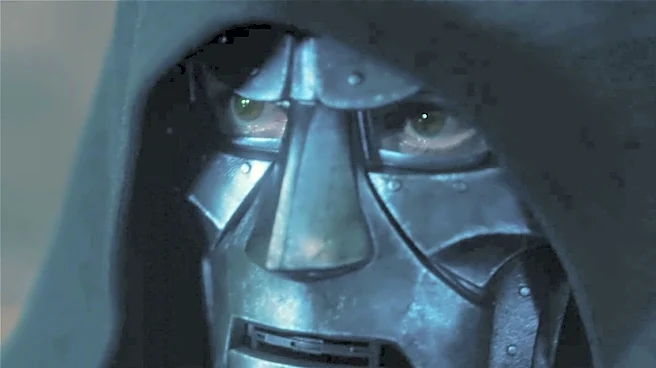
Marvel Studios has deviated from its long-standing tradition of using theatrical films to set up future cinematic events by utilizing a TV show's post-credits scene for the first time. The post-credits scene of 'VisionQuest,' a streaming series, featured
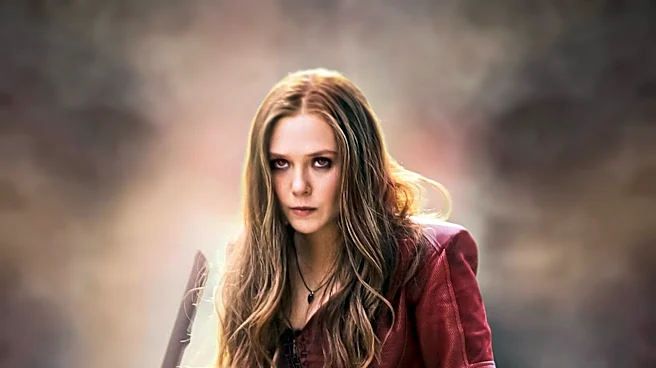
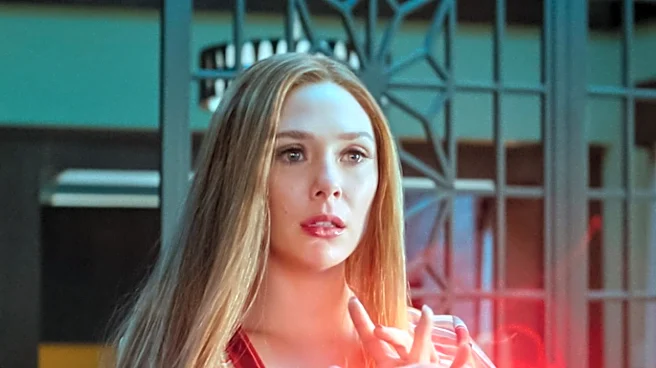
the return of Robert Downey Jr. and Elizabeth Olsen, marking a significant shift in Marvel's storytelling strategy. This scene revealed that Doctor Doom captured Wanda Maximoff (Scarlet Witch) after she renounced the Darkhold, setting the stage for her role in the upcoming film 'Avengers: Doomsday.' This move breaks an 18-year precedent, as Marvel has historically used post-credits scenes in movies, dating back to 1986 with 'Howard the Duck,' to lay groundwork for subsequent theatrical releases. The decision to use a streaming exclusive to introduce such a pivotal plot point signifies a new approach to interweaving narratives across different media platforms within the Marvel Cinematic Universe (MCU).
Why It's Important?
This strategic shift by Marvel Studios holds significant implications for the entertainment industry and the future of the MCU. By using a streaming series to set up a major theatrical release, Marvel is leveraging its streaming platform to drive engagement and viewership for both its television and film content. This move encourages fans to watch all MCU-related content, regardless of its platform, to stay informed about the overarching narrative. The return of beloved characters like Scarlet Witch and the introduction of Doctor Doom's direct involvement through a TV show's post-credits scene is designed to generate immense hype and ensure higher ticket sales for 'Avengers: Doomsday.' It also demonstrates Marvel's confidence in its streaming content as a crucial component of its interconnected universe, potentially influencing other studios to adopt similar cross-platform storytelling strategies to maximize audience retention and franchise profitability.
What's Next?
The success of this new storytelling approach in generating anticipation and box office revenue for 'Avengers: Doomsday' will likely dictate future strategies for Marvel Studios. If 'VisionQuest's' post-credits scene effectively boosts interest and ticket sales for the upcoming film, Marvel may continue to integrate crucial plot developments and character introductions within its streaming series. This could lead to a more deeply intertwined MCU across television and film, where understanding the full narrative requires engagement with both mediums. Future MCU projects might increasingly rely on streaming content to introduce new characters, develop existing storylines, or set up major cinematic events, further blurring the lines between television and film within the franchise. This could also prompt other major studios with extensive intellectual property to explore similar cross-platform narrative strategies.
Beyond the Headlines
This move by Marvel Studios represents a significant evolution in transmedia storytelling, pushing the boundaries of how interconnected narratives are constructed and consumed. It highlights the increasing importance of streaming platforms not just as distribution channels, but as integral parts of a larger narrative universe. Ethically, it raises questions about accessibility for viewers who may not subscribe to all streaming services, potentially creating a fragmented viewing experience for those who only follow theatrical releases. Legally, it reinforces the value of exclusive content rights for streaming platforms, as they become essential gateways to understanding major cinematic events. Culturally, it solidifies the MCU's position as a dominant force in popular culture, capable of dictating how audiences engage with its vast and expanding universe, and setting new precedents for franchise management in the digital age.