








What's Happening?
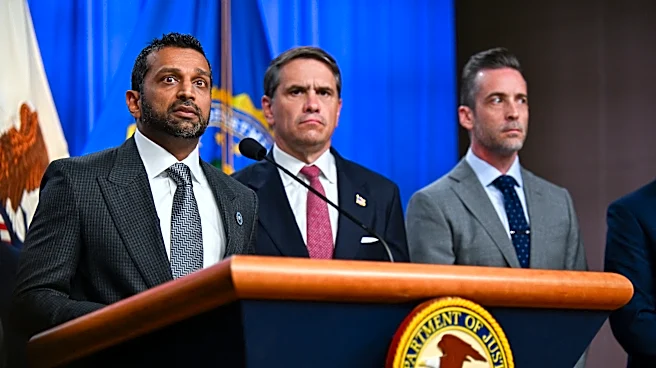
CVS Health and its Omnicare unit have agreed to a $440 million settlement with the Department of Justice (DOJ) to resolve a fraud case involving the submission of fraudulent prescription claims. This settlement is part of a larger $950 million judgment
against Omnicare, which was found to have submitted over 3.3 million fraudulent claims between 2010 and 2018, resulting in $135.6 million in overpayments. The settlement includes an initial payment of $130 million, with the remaining $310 million due by March 2028. The agreement is contingent upon the sale of Omnicare to GenieRx Holdings, a transaction expected to close by the end of the year. Omnicare, acquired by CVS in 2015, filed for bankruptcy in 2025 and is seeking debtor-in-possession financing to continue operations during the sale process.
Why It's Important?
This settlement is significant as it highlights the ongoing challenges and legal risks faced by large healthcare corporations in managing compliance and regulatory issues. The case underscores the importance of corporate accountability and the role of whistleblowers in uncovering fraudulent activities. For CVS, resolving this case allows the company to avoid prolonged litigation and potential reputational damage. The settlement also impacts the broader healthcare industry by reinforcing the DOJ's commitment to pursuing fraud cases, which could lead to increased scrutiny and regulatory oversight for other companies. The sale of Omnicare to GenieRx Holdings may also influence the competitive landscape in the healthcare services sector.
What's Next?
Following the settlement, CVS and Omnicare will focus on completing the sale to GenieRx Holdings, which is expected to close by the end of the year. This transaction will allow Omnicare to restructure and potentially strengthen its service offerings under new ownership. The DOJ's involvement in this case may lead to further investigations into similar fraudulent activities within the healthcare industry. Companies may need to enhance their compliance programs to mitigate the risk of future legal challenges. Additionally, the outcome of this case could encourage more whistleblowers to come forward, potentially leading to more fraud cases being uncovered.