






What's Happening?
Travelers planning trips to Italy have various options for navigating the country, each with distinct advantages and disadvantages. The primary modes of transport include trains, rental cars, and guided tours. Italy's train network offers fast and comfortable
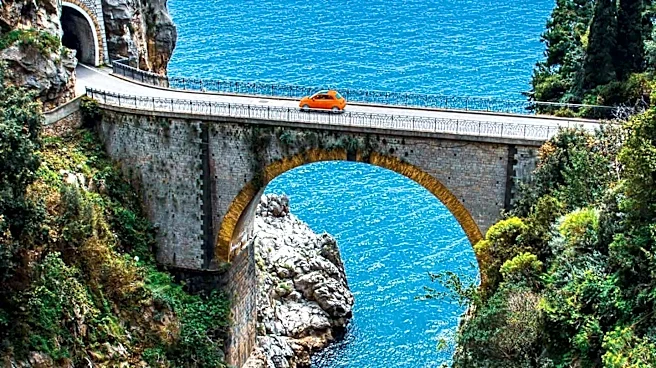
connections between major cities like Rome, Florence, Venice, Milan, and Naples, with stations typically located in city centers. High-speed train tickets should be booked in advance, especially during peak season, as cheaper fares sell out quickly. Regional trains connect smaller towns but are less frequent and slower. Renting a car provides flexibility to explore areas inaccessible by train, such as the Amalfi Coast or Tuscan hill towns, allowing travelers to set their own pace and make spontaneous detours. However, driving in Italian city centers can be challenging due to restricted traffic zones (ZTLs) and limited parking. Buses serve as a supplementary option for shorter distances, though timetables can be sparse and journey times slower than trains. For multi-day trips, travelers can choose between self-drive tours, which offer pre-booked accommodation and a route but leave daily decisions to the individual, or guided small group tours, where a local guide handles logistics and provides insider knowledge, albeit with a fixed schedule. Privately guided tours offer the benefits of a guide with a customizable itinerary.
Why It's Important?
The choice of transportation and tour style significantly impacts a traveler's experience in Italy, affecting convenience, cost, and the depth of exploration. For those prioritizing efficiency and city-hopping, Italy's extensive high-speed rail network offers a practical and often faster solution, reducing the stress of navigating unfamiliar roads and finding parking. This is particularly beneficial for U.S. travelers accustomed to different driving conditions and urban layouts. Conversely, travelers seeking to immerse themselves in rural landscapes, small villages, and off-the-beaten-path locations will find a rental car indispensable, despite the potential challenges of Italian driving regulations and city access. The decision between self-drive and guided tours also reflects different travel philosophies: independent travelers may prefer the freedom of a self-drive tour, while those seeking a more relaxed, curated experience with expert insights might opt for a guided tour. This choice can influence budget allocation, as guided tours typically cost more due to bundled services, while self-drive incurs costs for rental, fuel, and tolls. Understanding these options allows U.S. tourists to tailor their Italian adventure to their preferences, ensuring a more satisfying and less stressful trip.
What's Next?
Prospective travelers to Italy are advised to conduct thorough groundwork before their trip, including researching specific routes, booking accommodations, and understanding local driving regulations if opting for a rental car. For train travel, booking high-speed routes in advance is crucial to secure better prices and availability, especially during peak tourist seasons. Those considering guided tours should evaluate whether a small group's fixed itinerary or a private tour's flexibility aligns better with their travel goals. Travelers should also confirm current entry requirements and any specific travel advisories. Local experts based in Rome are available to assist with planning and provide advice, offering support for unexpected situations that may arise during the trip. This proactive planning will help ensure a smoother experience, regardless of the chosen travel method.
Beyond the Headlines
The evolving landscape of travel in Italy highlights a broader trend in tourism towards personalized experiences and the balance between convenience and authentic exploration. The availability of diverse transport and tour options caters to a wide spectrum of traveler preferences, from the independent adventurer to those seeking a fully managed itinerary. This reflects a growing demand for travel that goes beyond mere sightseeing, encouraging deeper engagement with local culture and landscapes. The challenges associated with driving in Italian cities, such as ZTL zones, also underscore the importance of sustainable tourism practices and urban planning aimed at reducing traffic congestion and preserving historic centers. As technology advances, the integration of online booking platforms and real-time travel information continues to streamline the planning process, empowering travelers to make informed decisions. Ultimately, the choice of how to travel in Italy becomes a reflection of individual values, whether prioritizing efficiency, flexibility, cultural immersion, or a blend of these elements.