




What's Happening?
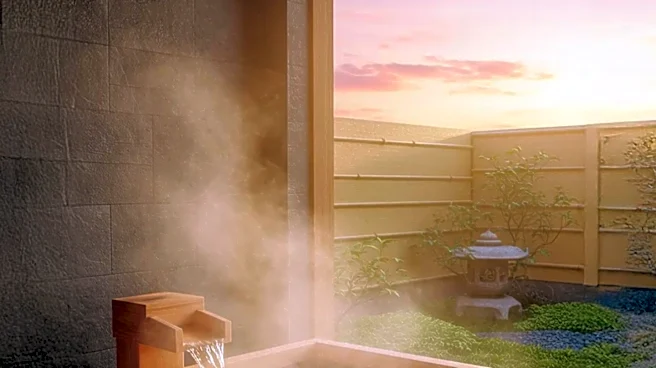
Wooden hot tubs are gaining popularity for their natural, rustic aesthetic and ability to enhance outdoor spaces. Constructed from insulating woods like cedar or redwood, these hot tubs are effective at retaining heat, providing a warm soaking experience.
However, they demand more maintenance compared to other materials. Regular resealing of the wooden surface every few years and checking for leaks are essential to prevent deterioration from water exposure and prolong their lifespan. Despite the upkeep, many owners find the natural look and feel of wood to be a worthwhile trade-off. Other hot tub materials include acrylic, vinyl liner, rotomolded plastic, marine-grade aluminum, and stainless steel, each with distinct advantages and disadvantages regarding durability, energy efficiency, and aesthetic appeal. For instance, acrylic hot tubs are known for durability and customization, while vinyl liner options are more affordable but less durable.
Why It's Important?
The choice of hot tub material significantly impacts durability, energy efficiency, and overall user satisfaction. Wooden hot tubs cater to a specific market segment that values natural aesthetics and a rustic charm, influencing design trends in outdoor living spaces. Their heat retention properties can lead to a more energy-efficient soaking experience, which is important for consumers concerned about utility costs. However, the higher maintenance requirements of wooden hot tubs mean consumers must weigh aesthetic preferences against the time and effort involved in upkeep. This also creates a market for maintenance services and specialized wood treatment products. The broader hot tub market offers a range of materials, each appealing to different consumer priorities, from budget-friendliness to luxury and eco-consciousness, thereby shaping manufacturing and retail strategies within the industry.
What's Next?
As consumer preferences continue to evolve, the demand for hot tubs that blend aesthetic appeal with functional benefits will likely drive further innovation in materials and design. Manufacturers may explore new wood treatments or composite materials that offer the rustic look of wood with reduced maintenance requirements. The market could also see an increase in integrated smart technologies for hot tubs, potentially including sensors that monitor wood integrity or automated resealing systems to simplify maintenance. Furthermore, as sustainability becomes a greater concern, there may be a push towards sourcing wood from certified sustainable forests or developing more eco-friendly sealants. Retailers will likely continue to diversify their offerings to cater to various aesthetic preferences and maintenance tolerances, providing more detailed guidance on the long-term costs and benefits associated with each material type.
Beyond the Headlines
The appeal of wooden hot tubs extends beyond mere functionality, tapping into a broader cultural appreciation for natural materials and traditional craftsmanship. In an increasingly digital and synthetic world, the rustic aesthetic offers a sense of authenticity and connection to nature, transforming a backyard amenity into a more holistic lifestyle experience. This trend reflects a desire for products that age gracefully and tell a story, contrasting with the disposable nature of many modern goods. The maintenance aspect, while a practical consideration, can also be viewed as a form of mindful engagement with one's possessions, fostering a deeper appreciation for the product. This niche market highlights a consumer segment willing to invest time and effort for a specific aesthetic and experiential value, influencing design philosophies across various home and lifestyle product categories.