









What's Happening?
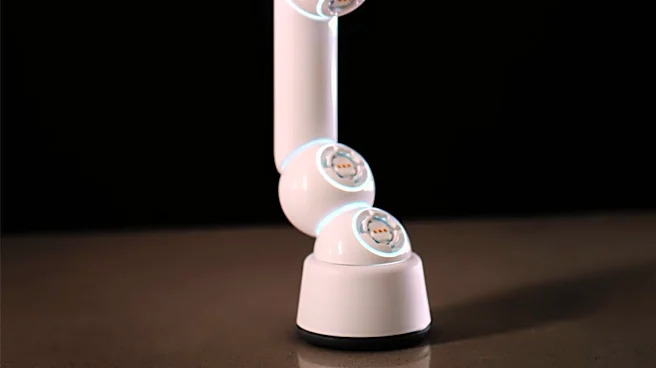
The University of Basel in Switzerland is developing a new dental robot, known as the Miniature Intraoral Robot (MIR), designed to assist with tooth drilling. This innovative device is intended to streamline the process of fitting a new crown when tooth decay
is detected. Currently, patients with tooth decay require multiple appointments to prepare the tooth for a new crown, including the fitting of a temporary crown. The MIR aims to reduce these visits by allowing dentists to scan the patient's mouth and order a new crown during the initial appointment. The robot's design includes larger components such as the motor and controls, which are kept outside the mouth and connected via cables and a drive shaft. The robot is mounted on a custom-fitted dental splint that attaches to the teeth, allowing it to move with the patient's head. Although it has been tested on fake ceramic teeth, it is not yet ready for human use. Future plans include adding sensors and a camera to help the robot maintain its position, even during power outages.
Why It's Important?
The development of the MIR represents a significant advancement in dental technology, potentially transforming the way dental procedures are conducted. By reducing the number of appointments required for crown fittings, the robot could save time and resources for both patients and dental professionals. This innovation could lead to increased efficiency in dental practices, allowing for more patients to be treated in a shorter amount of time. Additionally, the integration of advanced robotics in dentistry may pave the way for further technological advancements in the field, improving patient outcomes and experiences. The successful implementation of such technology could also inspire similar innovations in other areas of healthcare, promoting a broader adoption of robotics in medical procedures.
What's Next?
The next steps for the MIR include further testing and development to ensure its safety and effectiveness for human use. The addition of sensors and a camera will be crucial for the robot to accurately track its position and function reliably during procedures. Once these enhancements are made, the robot will likely undergo clinical trials to assess its performance in real-world dental settings. If successful, the MIR could be introduced into dental practices, potentially revolutionizing the industry. Stakeholders such as dental professionals, healthcare providers, and patients will be closely monitoring the progress of this technology, as its adoption could have significant implications for the future of dental care.