







What's Happening?
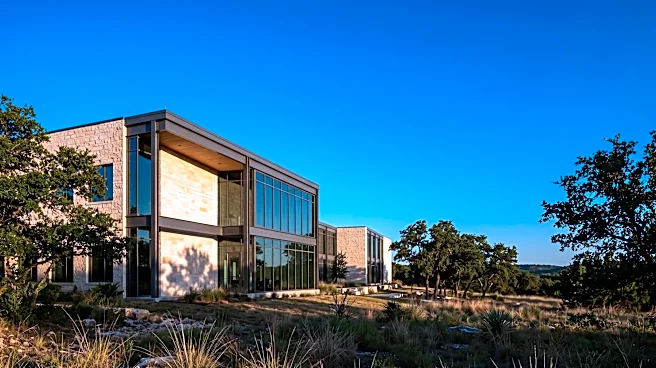
Austin Mayor Kirk Watson has issued a letter of support for Occam Foundry, a quantum technology campus currently under development in southeastern Travis County, Texas. This campus, led by Matt Cimaglia’s Texas Quantum Partners with developer Samara,
spans approximately 16.5 acres. Its design aims to co-locate university spinouts, startups, and operational quantum hardware alongside semiconductor cleanroom fabrication and characterization suites. Earthwork for the project is already underway. Occam Foundry is envisioned as a commercialization center rather than a traditional research park, specifically designed to host X-Labs teams pursuing quantum systems topics. The project has also secured a Memorandum of Understanding (MOU) with the Texas Advanced Computing Center.
Why It's Important?
Mayor Watson's support for Occam Foundry signifies a strategic move by Austin to position itself as a hub for advanced technology, particularly in the burgeoning field of quantum computing. This initiative is crucial for fostering economic growth and diversification within the region, attracting high-tech talent, and creating specialized job opportunities. The collaboration with the National Science Foundation's (NSF) X-Labs Consortium, which funds independent research teams, indicates a national recognition of Occam Foundry's potential to accelerate quantum technology commercialization. By providing dedicated infrastructure and resources, the campus aims to bridge the gap between academic research and market-ready quantum solutions, which is vital for U.S. competitiveness in this critical technological domain. This development could also spur further investment in related industries and educational programs in Texas.
What's Next?
With earthwork already in progress and a letter of support from Mayor Watson, the next steps for Occam Foundry will involve continued construction and the establishment of partnerships with quantum technology companies and research institutions. The campus is designed to attract X-Labs teams, suggesting that the focus will be on integrating these independent research groups into the facility. The MOU with the Texas Advanced Computing Center will likely facilitate access to high-performance computing resources, further enhancing the campus's appeal. As a commercialization center, Occam Foundry will aim to bring quantum technologies from early prototypes to scalable solutions, which will involve securing private capital and fostering a robust ecosystem of quantum innovation. The success of this project could influence future investments in quantum technology infrastructure across the U.S.
Beyond the Headlines
The development of quantum technology campuses like Occam Foundry represents a significant shift in how the U.S. is approaching advanced scientific and technological development. By creating dedicated physical spaces that integrate research, development, and commercialization, these initiatives aim to accelerate the pace of innovation and ensure that the U.S. remains at the forefront of quantum computing. This model addresses the practical challenges faced by independent research teams, such as access to specialized lab space and equipment, which are often barriers to scaling up new technologies. The long-term implications include the potential for quantum computing to revolutionize various sectors, from medicine and materials science to finance and national security. The success of such hubs will be critical in shaping the future economic and technological landscape, creating new industries and potentially redefining global power dynamics.