

What's Happening?
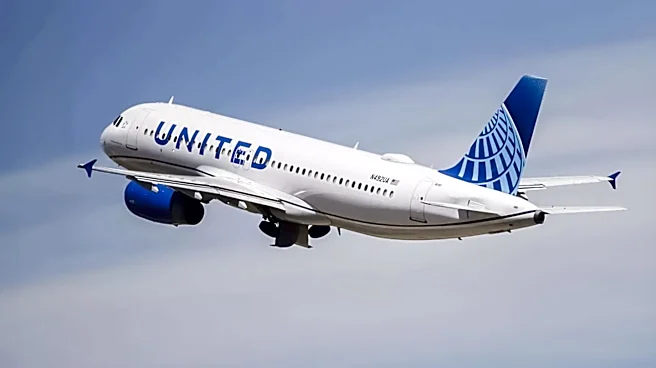
United Airlines announced on November 11, 2026, its decision to prohibit third-party AI agents from making flight reservations on behalf of customers. The airline cited significant concerns regarding potential data breaches and regulatory compliance as
the primary reasons for this new policy. According to United, sharing account credentials with personal, third-party AI assistants could expose sensitive customer information, lead to unintended purchases, unauthorized account changes, or misuse of MileagePlus miles. The airline also noted that AI agents cannot fulfill human acknowledgment requirements, such as declaring bags free of banned substances during check-in, which could violate FAA and DOT regulations. United's Digital Trust Center page emphasizes that while AI can facilitate travel planning, innovation must proceed with careful consideration for customer trust, privacy, and security. This ban extends to various platforms, including third-party aggregators and travel agents, to prevent autonomous AI bookings.
Why It's Important?
This move by United Airlines highlights growing concerns within the travel industry about the security and regulatory implications of advanced AI technologies. As AI agents become more sophisticated, their ability to handle sensitive personal and financial data raises significant privacy risks for consumers. For airlines, unauthorized bookings or data compromises could lead to substantial financial losses, reputational damage, and potential legal liabilities under data protection regulations. The decision also reflects a broader industry debate about control over direct bookings versus intermediary channels, as JetBlue's President Marty St. George noted concerns that AI intermediaries might eventually seek compensation over direct bookings. This policy could set a precedent for other airlines, influencing how AI is integrated into the travel booking ecosystem and potentially shifting the balance of power between airlines, travel agents, and technology providers.
What's Next?
United Airlines' decision is likely to prompt further discussion and potential policy adjustments across the airline industry regarding the use of AI in customer-facing operations. Other airlines may follow suit with similar restrictions, or they might explore alternative solutions to integrate AI safely while mitigating risks. Technology companies developing AI travel agents will need to adapt their services to comply with airline policies, potentially focusing more on trip planning and information gathering rather than direct booking execution. Customers will need to be more aware of the limitations and risks associated with using AI for travel arrangements, particularly concerning sharing personal credentials. The regulatory landscape may also evolve, with aviation authorities potentially issuing new guidelines or regulations to address the use of AI in booking and compliance processes, especially concerning declarations and personal data handling.
Beyond the Headlines
United's ban on third-party AI agents for bookings delves into deeper ethical and practical considerations surrounding automation and trust in digital services. While AI offers convenience, the airline's stance underscores the irreplaceable role of human judgment and accountability in certain critical transactions, particularly those involving regulatory compliance and personal declarations. This decision also highlights the tension between technological innovation and the need for robust security frameworks in an increasingly digital world. It prompts a re-evaluation of what constitutes 'personal' assistance versus automated agency, and where the line should be drawn to protect consumers and maintain regulatory integrity. The move could also spark a broader conversation about the responsibilities of AI developers and users in ensuring ethical AI deployment, particularly when dealing with sensitive personal data and financial transactions, pushing for more transparent and secure AI practices across industries.