








What's Happening?
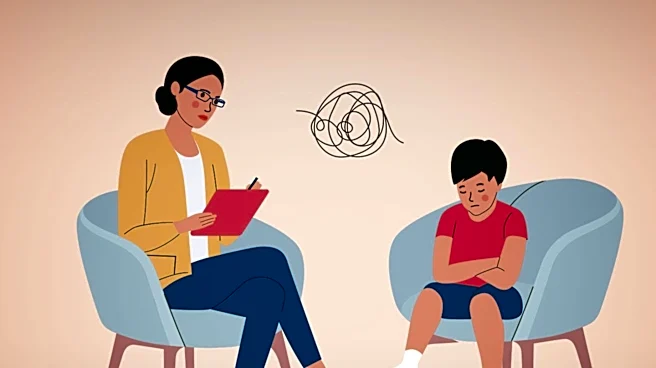
Hattie Awe, a therapist based in Chicago, has raised concerns about the impact of social media on teenagers, noting a decline in 'constructive boredom' and self-exploration. Awe argues that constant engagement with digital content prevents teens from
processing emotions and developing individuality. This phenomenon, she suggests, is detrimental to their emotional well-being and ability to form independent opinions. The issue is compounded by the digital footprint, which instills fear of judgment and discourages personal growth. Awe advises parents to model healthier digital habits by setting boundaries on phone usage and encouraging offline activities.
Why It's Important?
The insights provided by Awe underscore the broader societal implications of digital media consumption among youth. As teenagers increasingly rely on social media for interaction and information, there is a risk of diminished critical thinking and emotional resilience. This trend could have long-term effects on their ability to navigate complex social and professional environments. Moreover, the pervasive influence of digital content may contribute to mental health challenges, such as anxiety and depression, highlighting the need for interventions that promote balanced media consumption and emotional development.
What's Next?
Addressing the impact of social media on teenagers will require coordinated efforts from parents, educators, and policymakers. Initiatives could include educational programs that teach digital literacy and emotional intelligence, as well as policies that regulate screen time and content exposure for minors. Additionally, there may be increased advocacy for social media platforms to implement features that encourage healthier usage patterns. As awareness of these issues grows, stakeholders will need to collaborate to create environments that support the holistic development of young people in the digital age.